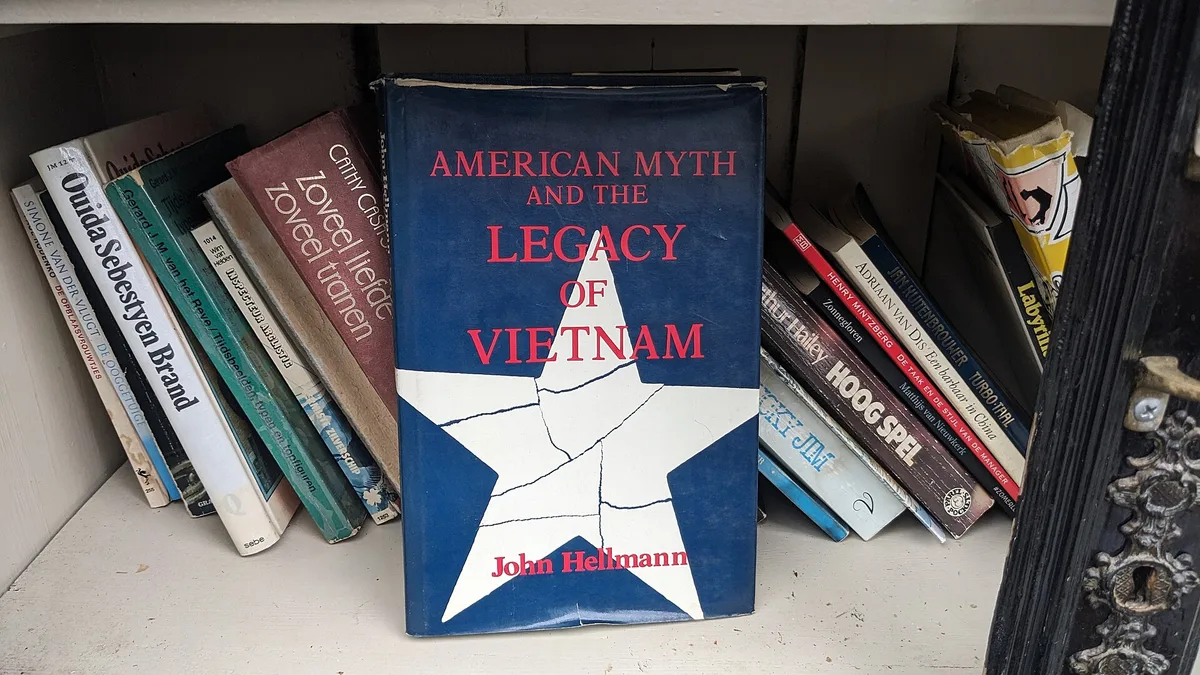
The Myth of the Self-Made American
Mobility research shows most Americans stay near the income level they are born into, a finding that complicates the national myth of the self-made man.
Mobility research shows most Americans stay near the income level they are born into, a finding that complicates the national myth of the self-made man.
Murals and monuments sit where everyone has to look. That is the whole problem, and the whole point.

A beginner's guide to building a home library you will actually read, reread, and lend.
Assembled from existing roads in 1926 and retired in 1985, Route 66 carried Dust Bowl families west and left behind motels, songs, and a scenic byway.

Reading poetry without fear is a habit rather than a talent: read aloud, skip what resists, and let April carry the start.
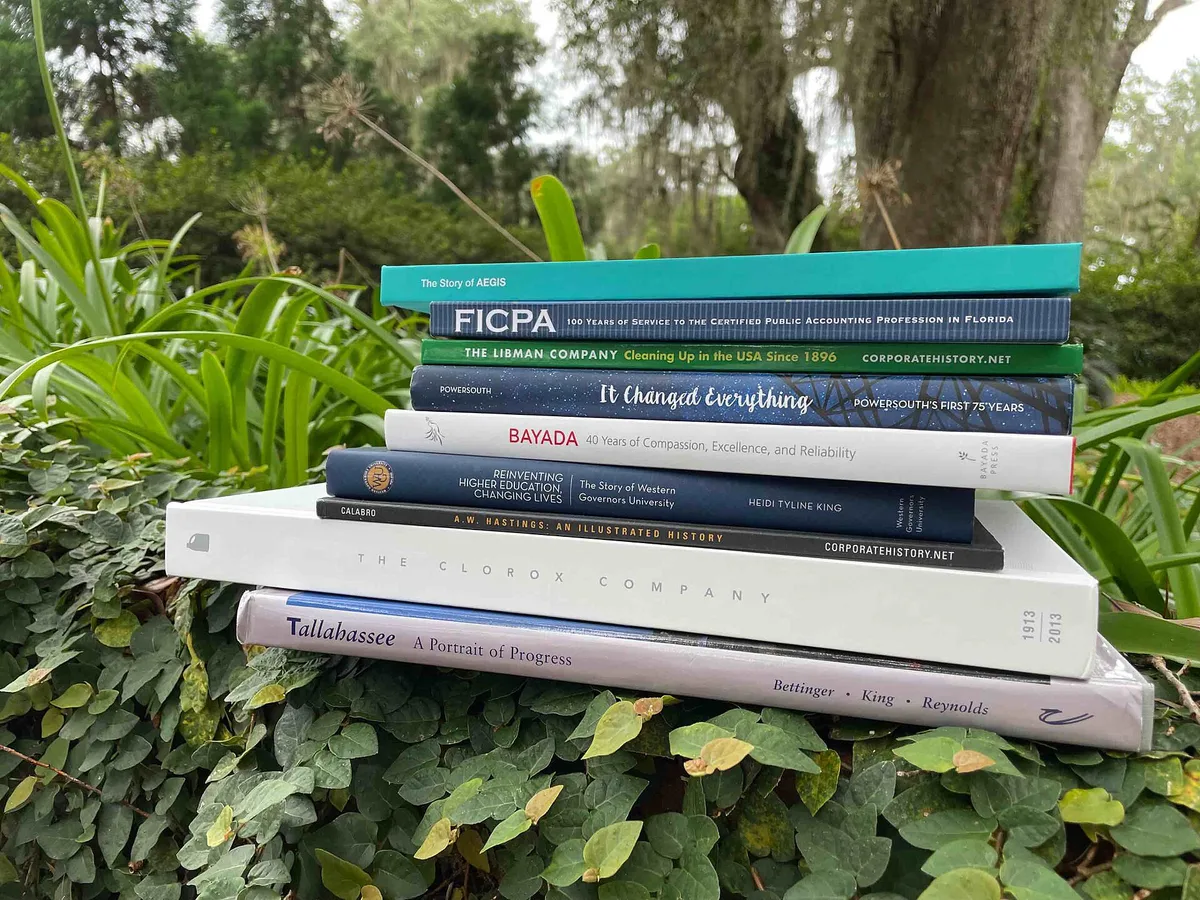
Long before paperbacks, Americans were writing advice books. From Franklin's almanack to Dale Carnegie, the history of self-help books runs deeper than you think.
Deadlines, sprints, and a ruthless shelf beat willpower every time.
A second pass is not wasted time. It is how a book finally becomes yours.
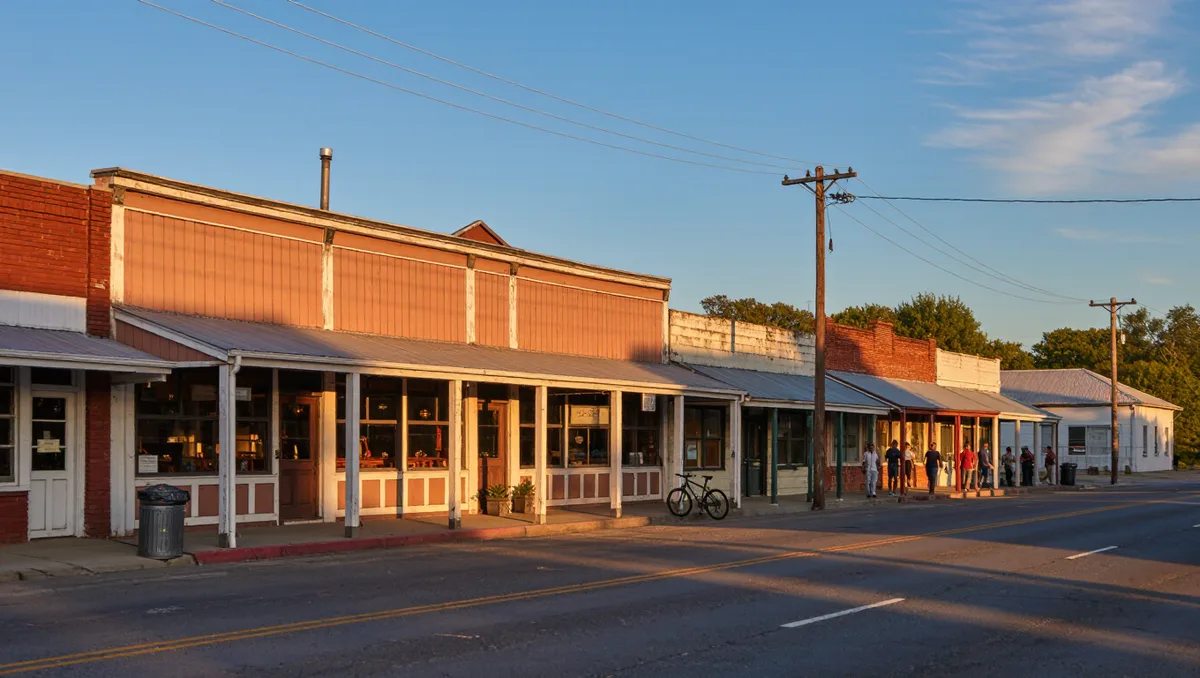
A third place is social ground that is neither home nor work, a term Ray Oldenburg fixed in his 1989 book The Great Good Place.
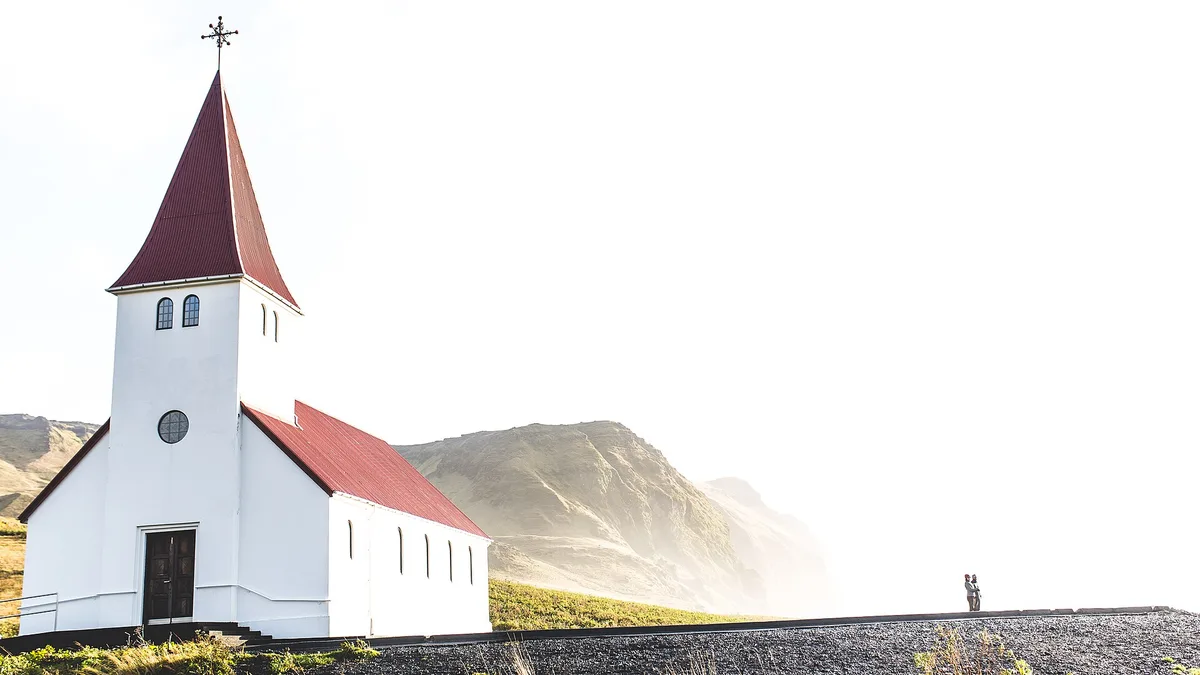
Americans have always shopped for congregations. From colonial dissenters to the accelerating religious switching behind today's unaffiliated boom, choosing a faith is a national habit.
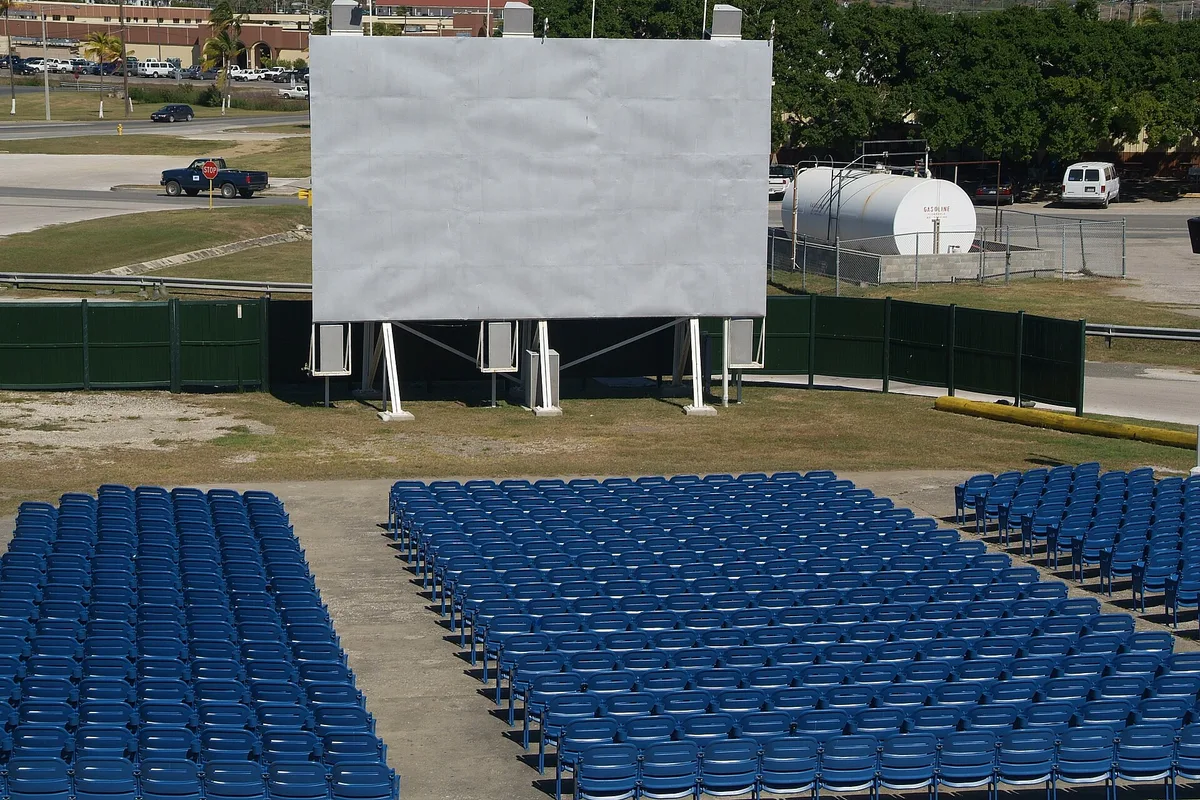
Single-screen movie theaters once anchored Main Streets across America. Multiplexes, digital projection, and streaming changed the business, and old theaters found new jobs.

A studio built on storytelling picks a leader whose method is listening first.
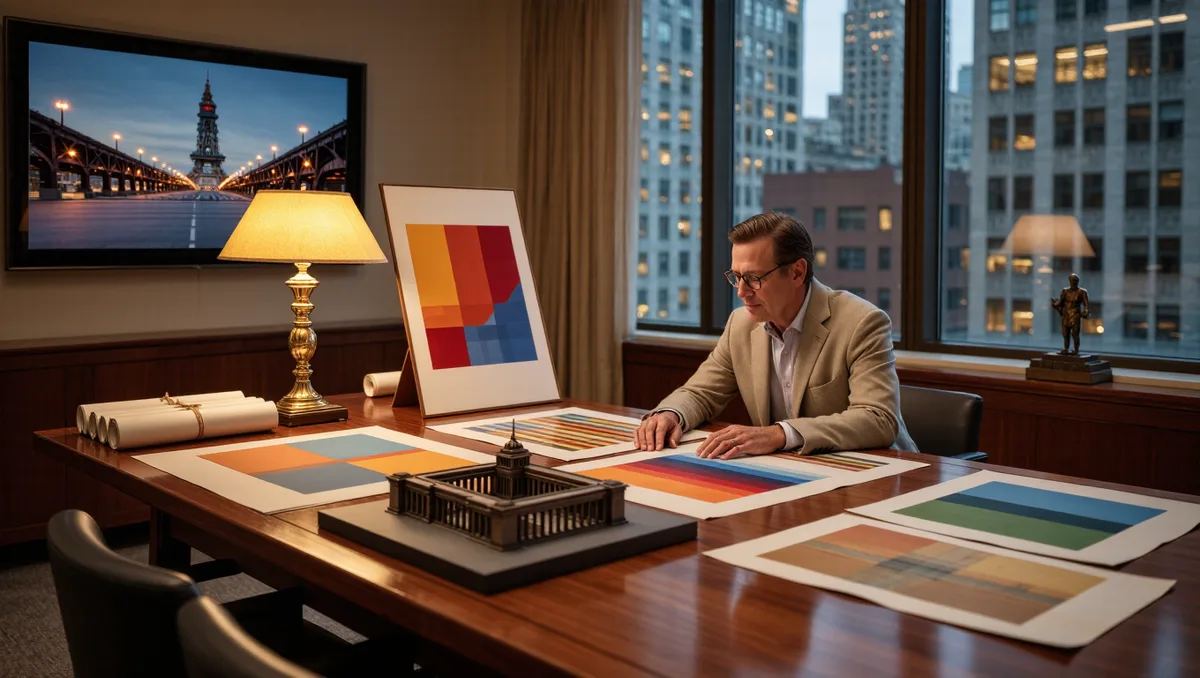
Prints, editions and originals: what the differences actually cost you, and where a first purchase goes wrong.
Most challenges start with one person and a complaint form. The fight happens in meetings most people never attend.
The dry era was meant to restore an older moral order. Instead it built the federal machinery, the nightlife and the policing habits we still live with.
A prize sticker sells books. What it does not do is tell you which books will still be read in twenty years.
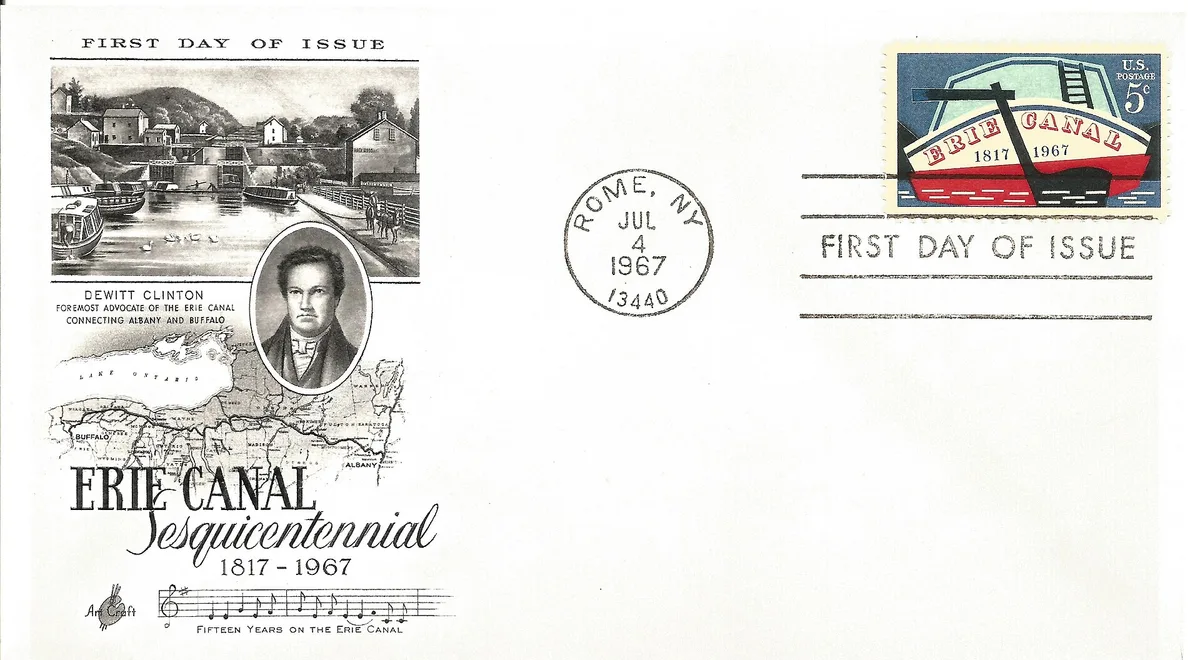
Opened on October 26, 1825, the 363-mile Erie Canal out-earned New York State's construction debt within a year and made New York City the country's commercial capital.
The line closed in 1890. The stories never got the memo — and American film and fiction have been running on frontier fuel ever since.
Before there was a publishing industry worth the name, booksellers invented the American reading public.
A Depression-era relief program put thousands of unemployed writers — including Zora Neale Hurston and Ralph Ellison — on the federal payroll to document the country, until the House Un-American Activities Committee decided it looked like communist sympathy.
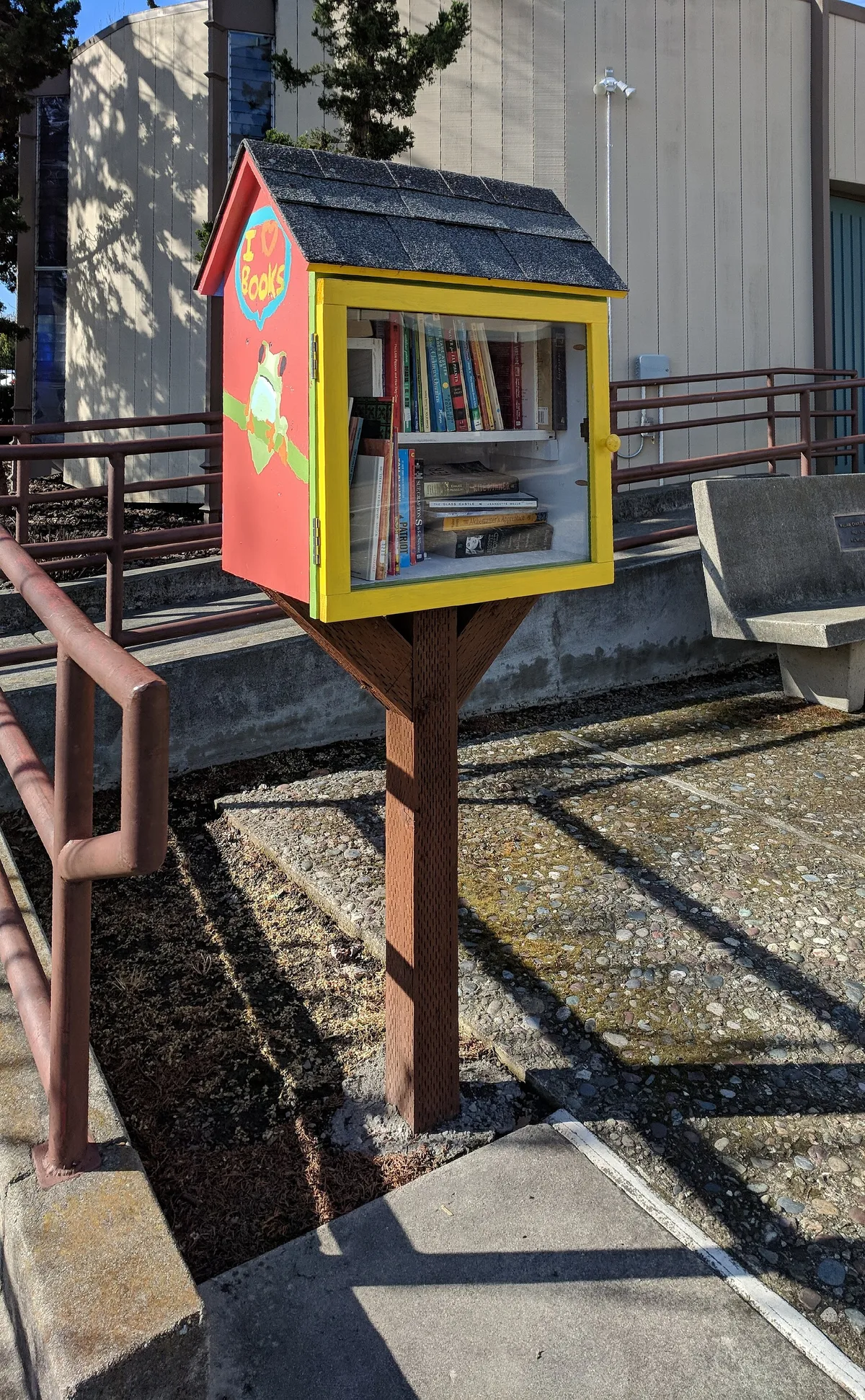
Little Free Library began with one handmade box on a lawn in Wisconsin. Today millions of books change hands each year through a worldwide network of small public bookcases.

Behind most landmark novels stands someone readers never see. Here is what book editors actually do, and why the job is built to stay invisible.
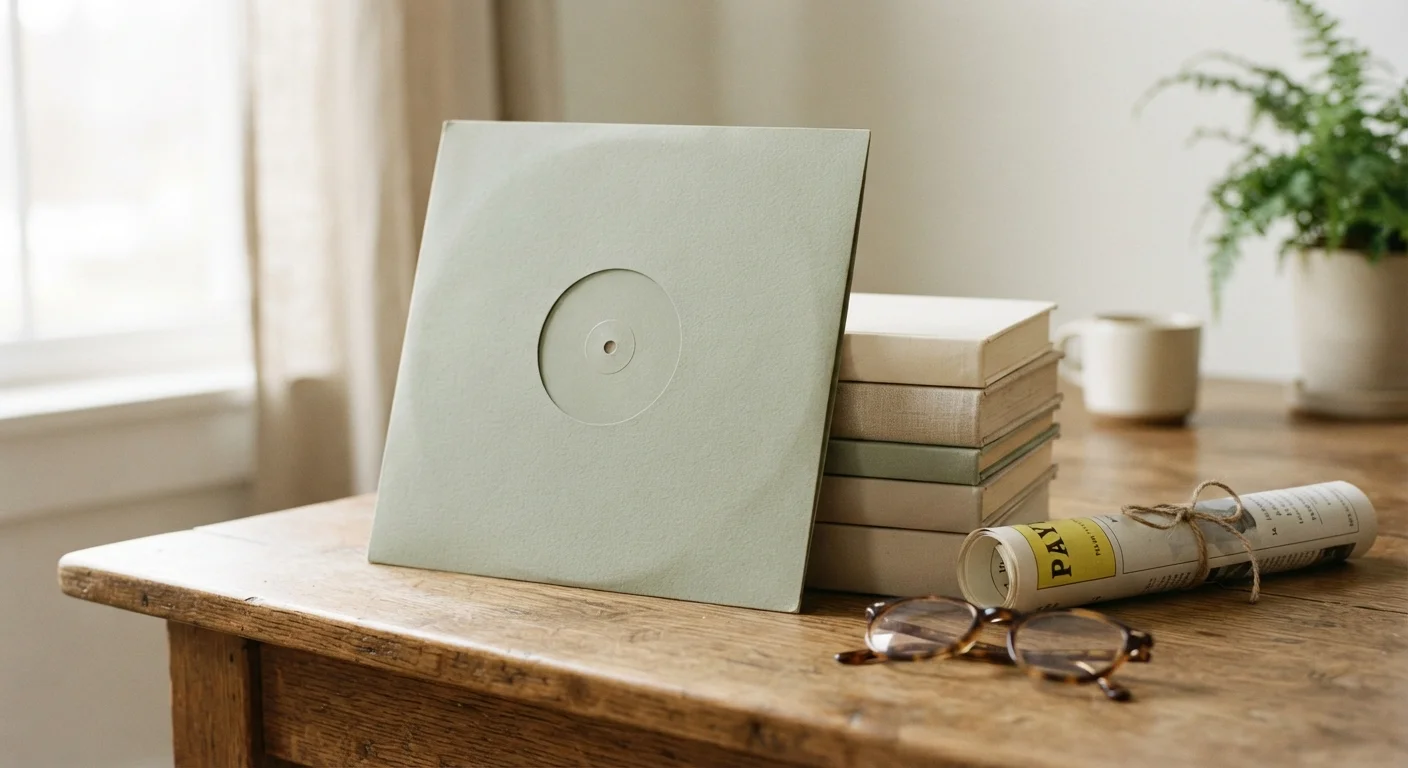
Five dispatches from the culture conversation: a genre-crossing album of the year, a record Broadway season, federal arts arithmetic, a registry induction, and vinyl's long second act.
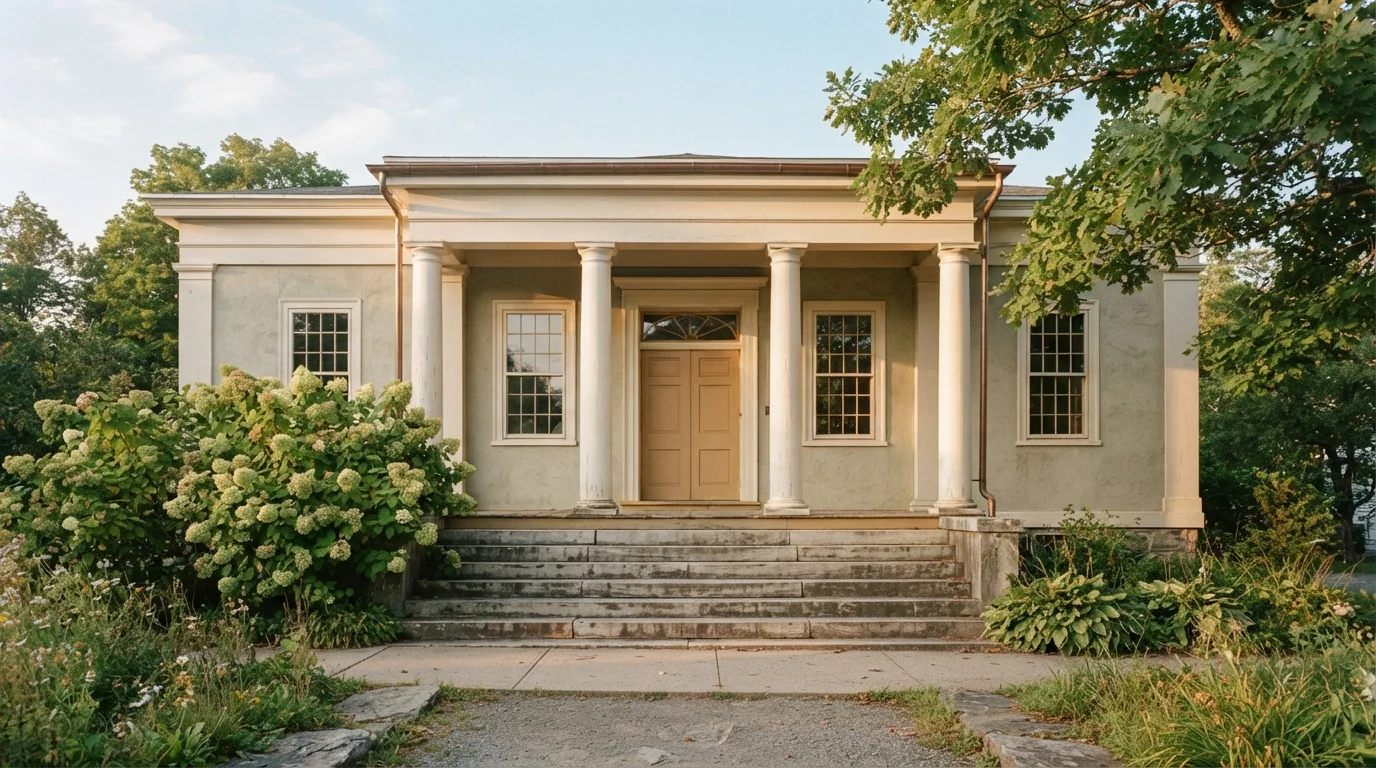
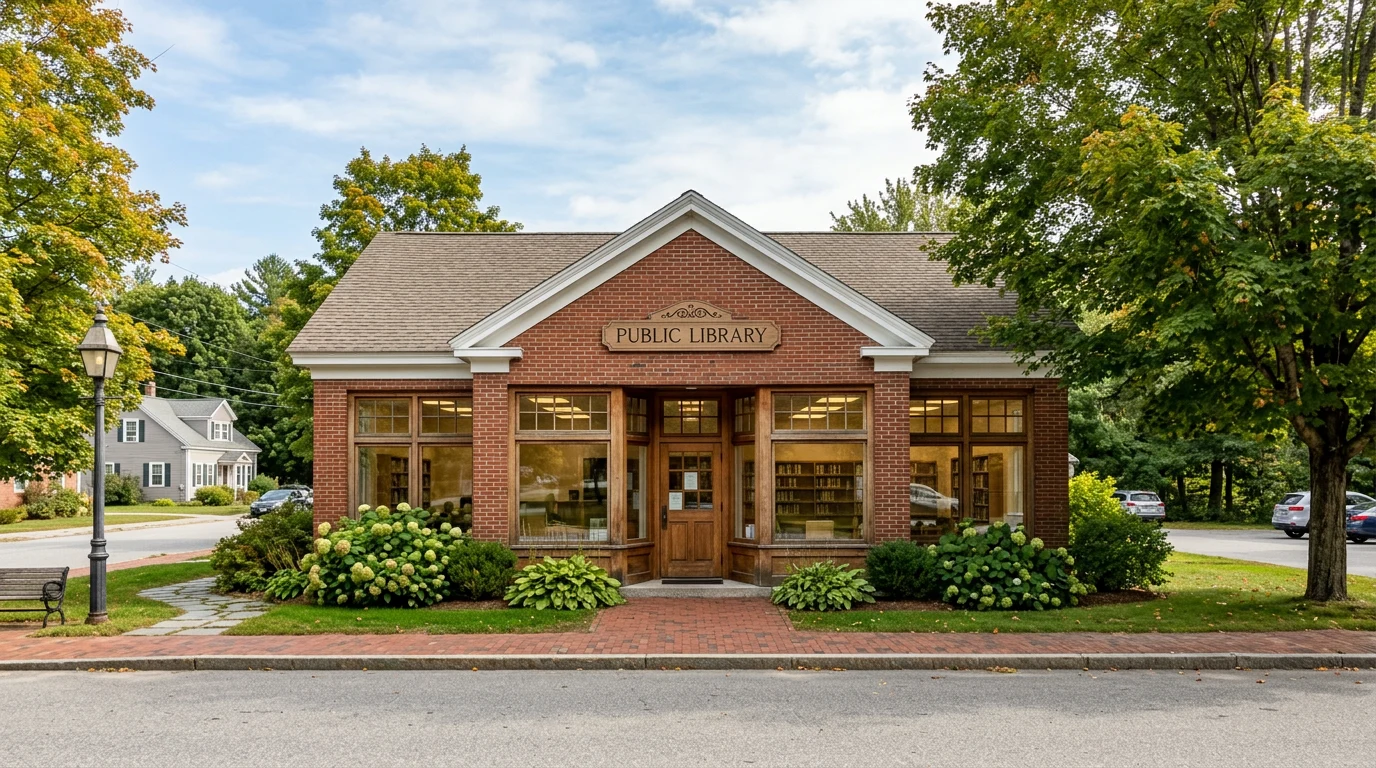
Roughly 86 cents of every public library operating dollar is raised within a few miles of the building, which explains almost everything about how the institution behaves when money gets tight.
It looks like a gift shop. It functions as revenue engine, classroom, taste-maker, and the museum's only gallery you can take home.
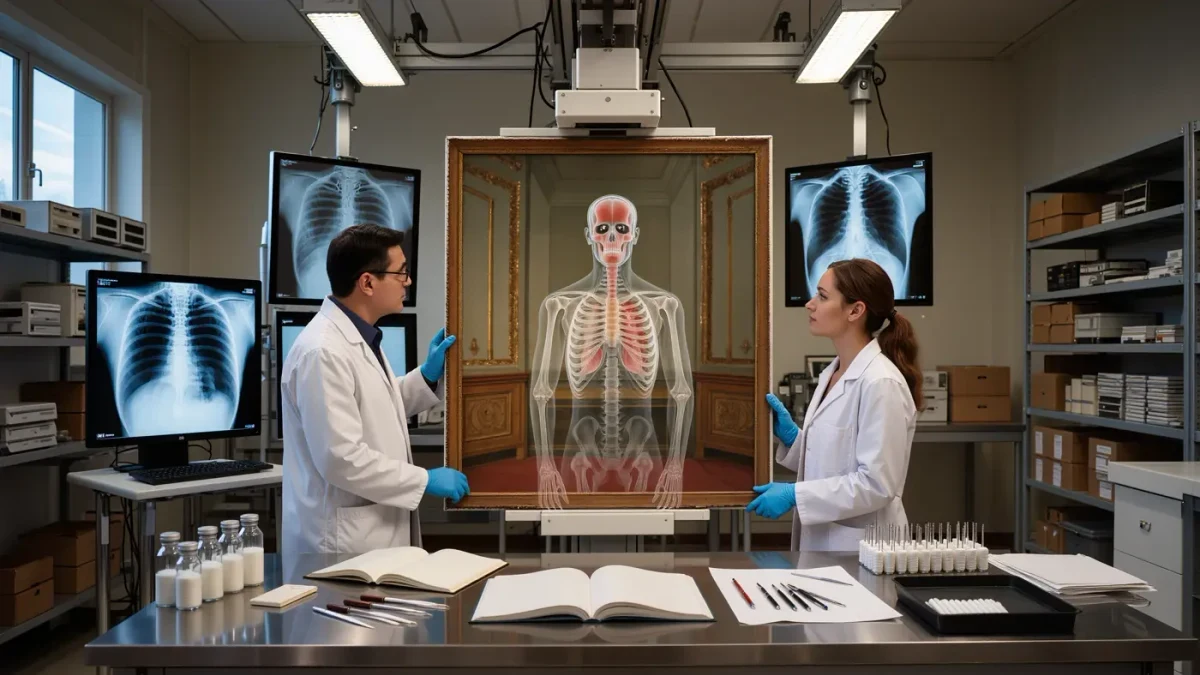
X-rays, tree rings, and pigment chemistry form the forensic toolkit that decides whether a canvas is a masterpiece or a very good fake.
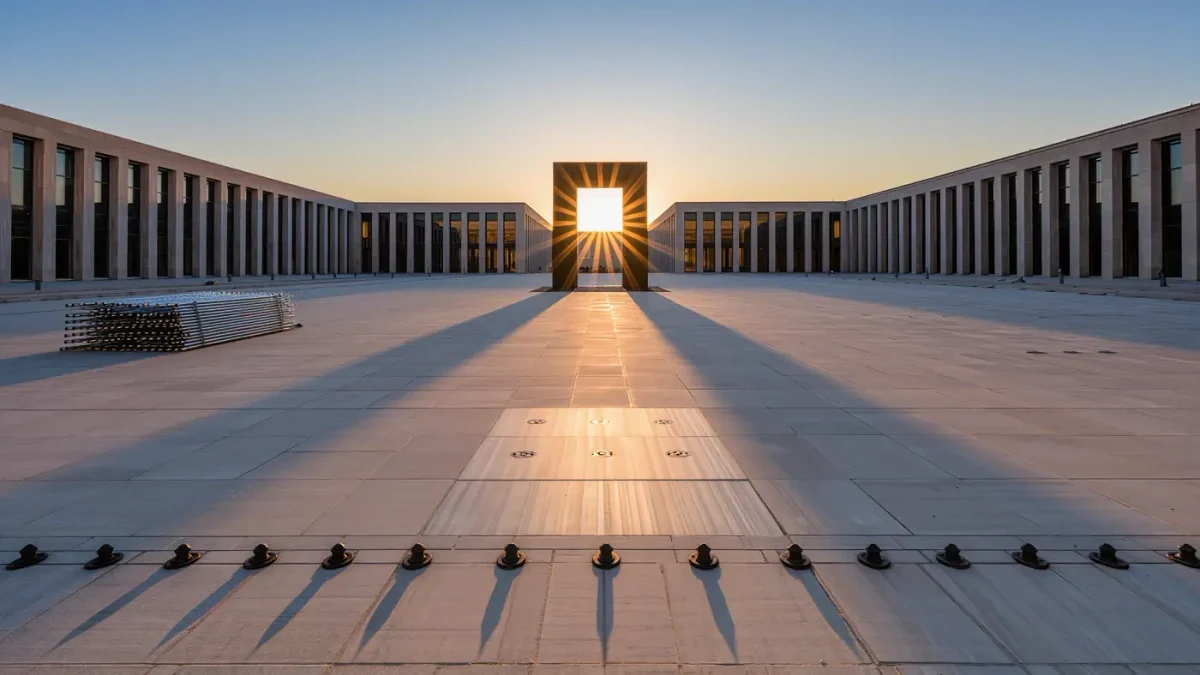
Every few years America fights about a sculpture in a plaza, and the fight follows a script — here is the anatomy, from Tilted Arc to whatever erupts next.