Reading poetry without fear starts with one move: treat a poem as something to hear, not a riddle to solve. Read it aloud once. Let the sounds land. Then ask what it means. The Academy of American Poets founded National Poetry Month in 1996 to grow appreciation of poetry in the United States.
The fear is learned. School often frames the poem as a locked box: find the hidden meaning, name the device, wait for a grade. That routine measures memory, not reading. The locked box was a teaching shortcut, not the plan of the poem itself. Poems were made for pleasure first, and pleasure asks for ears rather than keys. Readers following this should also see How To Build A Reading Habit That Actually Sticks.
Why does poetry feel so intimidating?
Because many readers first met poems in a classroom, where the job was to decode and wait for a mark. The fear rests on the idea that every line hides one secret answer. History tells a looser story, and Emily Dickinson is the proof.
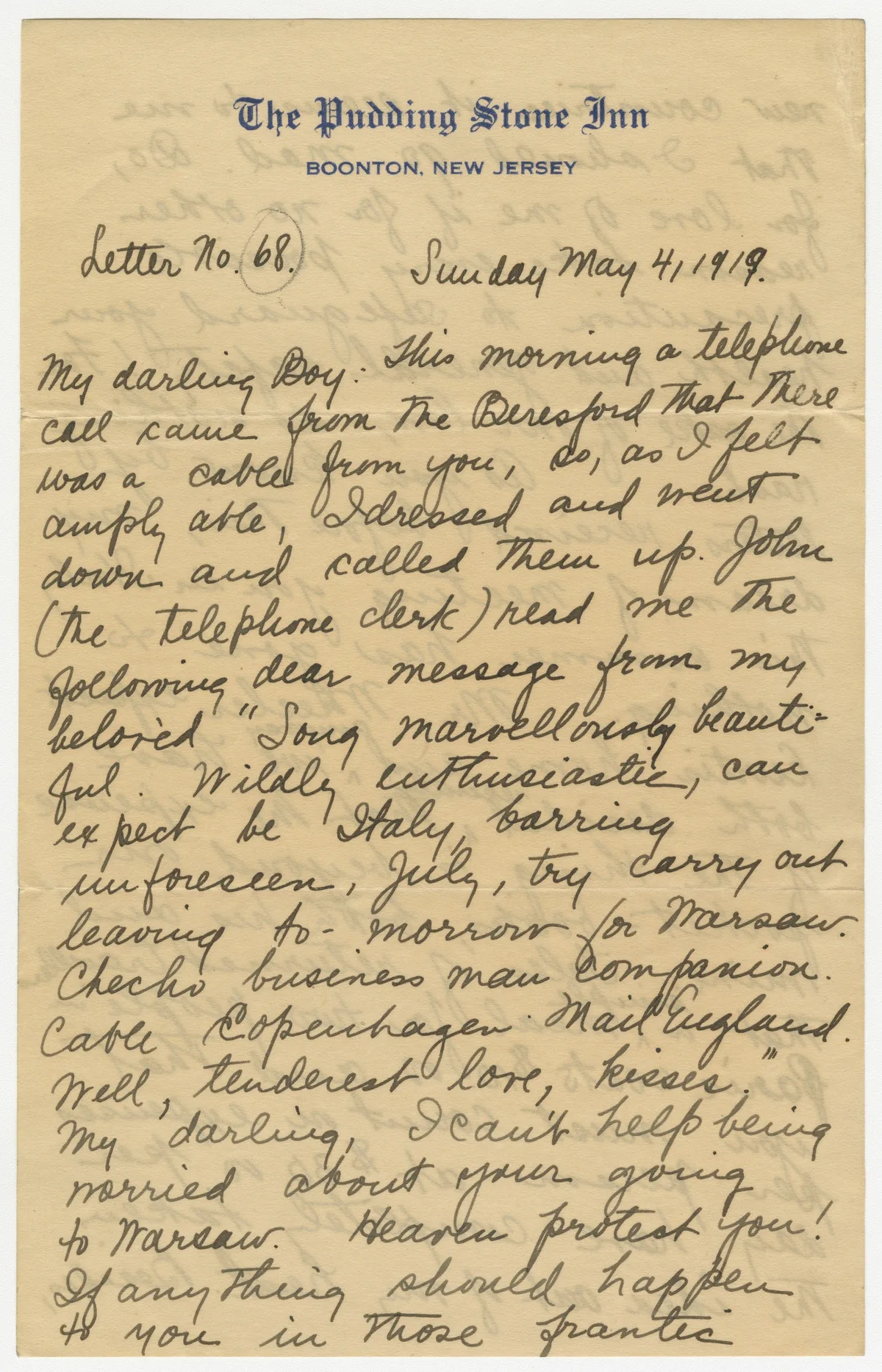
Dickinson saw only 10 of her nearly 1,800 poems printed in her lifetime. Her first selected edition appeared in 1890, reworked to match the taste of the day. A full edition restoring her dashes and odd lines arrived only in 1955. The correct reading of a poem is often just the newest editing choice. An ear beats an answer key.
What do you do with the first line?
Read it aloud. Poems are built from sound before sense: repeated vowels, soft echoes, beats that hurry or stall. Scholars catalogue these moves as devices, from assonance and alliteration to full rhyme schemes. You never need the labels. The ear catches them without a vocabulary lesson, and the line starts to work at once.
Meter is the oldest of these tools. The beat of a line works like a drum track: steady at times, broken on purpose at others. The old name for this craft survives in the word itself. Poetry comes from the Greek poiesis, meaning making. The standard reference entries list the devices in dry terms, yet each one is a trick of sound that a listener already hears in a favorite song. Nothing more mysterious is going on.
Do you have to understand every line?
No. Skimming is allowed and even sensible. Much modern poetry drops rhyme and steady meter on purpose, so the old decoding tools stop applying anyway. When a stanza resists, move on. Rereading later often loosens the knot on its own, because a changed reader meets a changed poem. This connects to our earlier piece, The Case for Rereading Books You've Already Finished.
Treat a hard poem like a city you do not know yet. Walk a few blocks, leave the confusing alleys for another day, and skip the guilt. Nobody grades the route. Confusion on a first pass is normal, and it fades with contact rather than with force. A poem reread at forty reads differently than the same poem did at twenty, and both readings count.
How can a beginner build a poetry habit?
Keep the dose small and let a system carry it. Since 2006 the Academy of American Poets has run Poem-a-Day, one new poem daily, first each April and now all year long. A single poem a day beats a weekend of guilt, and the habit forms itself.
April adds a tailwind. National Poetry Month, held every April since 1996, fills local calendars with readings and free classroom events. The Academy also sends schools and libraries a yearly poster, with almost 150,000 copies handed out at no charge. A poem with coffee, ten minutes, done. Librarians make useful guides here, since they know which collections welcome newcomers.
Conclusion: The Poem Is Not a Test
Reading poetry without fear means giving the ear the first job and the brain the second. Read aloud, skip what resists, return when curious, and count nothing toward a grade. Readers loved Dickinson decades before editors agreed on her text. Poems are made things, and made things welcome company. One line tonight is a full start.