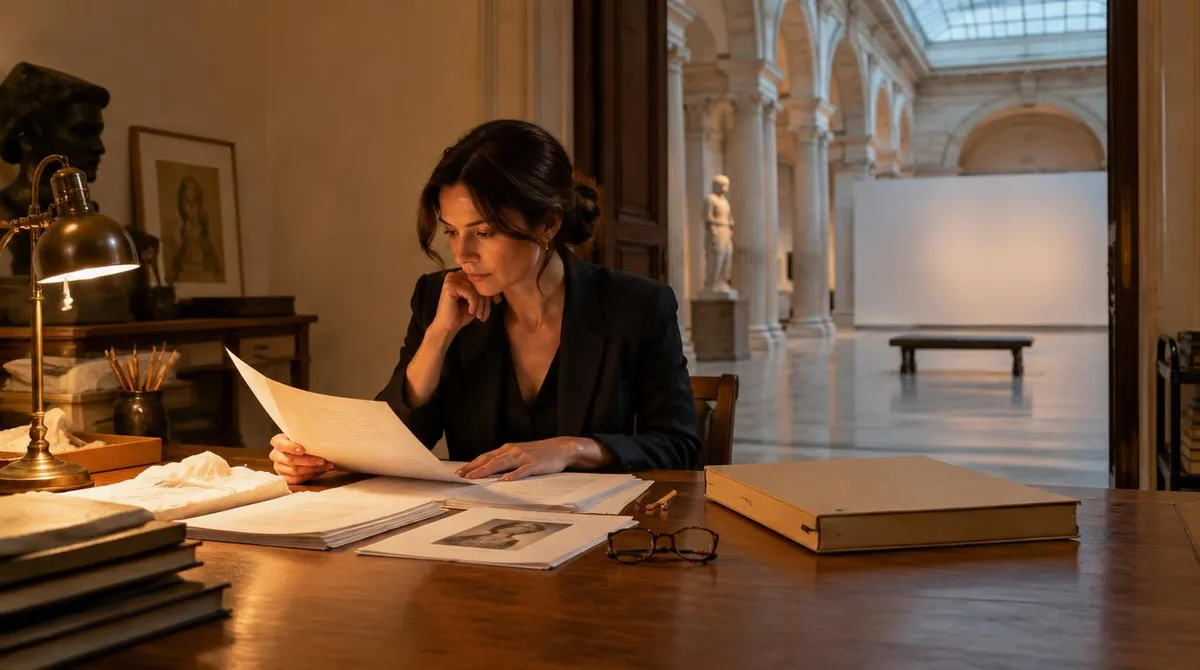
What goes on a museum wall is decided years in advance, in meetings most visitors never see. Curators propose shows, directors weigh budgets, registrars chase loans, and conservators check that a painting can survive the trip. The process of how museums curate exhibitions is less about a single visionary pick and more about a long negotiation between scholarship, money, and plain physical logistics.
The scale of the problem explains why it takes so long. The Metropolitan Museum of Art alone holds more than two million objects, according to Time Out New York, and no building can show them all at once. Every exhibition is an argument for why these works, out of all the possible works, deserve the room right now.
Where does an exhibition idea come from?
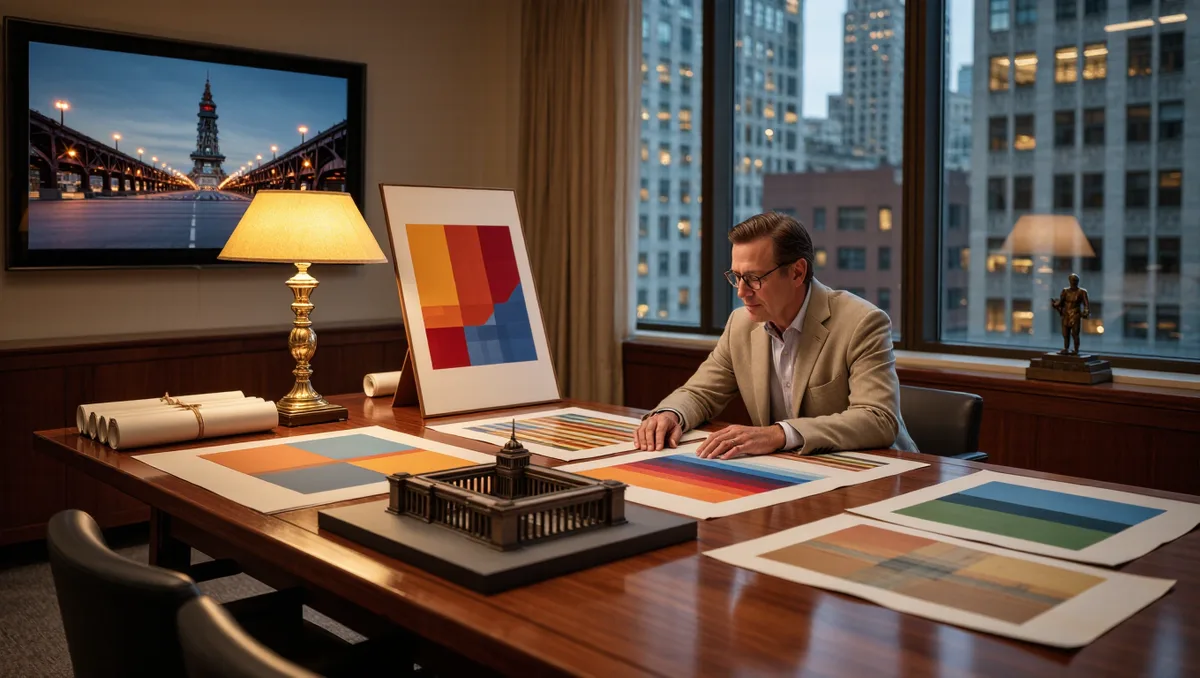
Most shows start with a curator's proposal, sometimes years before opening day. A curator may want to reassess an artist's career, pair unfamiliar works with famous ones, or bring in a borrowed collection that tells a story the museum's own walls cannot. The proposal usually includes a checklist of candidate objects, a rough budget, and a case for why the show matters now. This connects to our earlier piece, The Museum Free Day Economy, Quietly Underwriting Culture.
Then the meetings begin. Education staff ask what visitors will take away. Development staff ask whether donors will fund it. Registrars ask whether the objects can even travel. A show that survives all of those questions is a very different animal from the one first pitched — and that pruning is part of the craft, not a failure of it.
Why do loans take so long?
Borrowing art is the slowest part of the process. A loan request goes out, the owner's curators review it, conservators inspect the object, and insurers price the risk. Each party can say no, and famous works are often promised elsewhere or too fragile to move. Museums build these negotiations into the calendar precisely because a single refusal can reshape the whole checklist.
The paperwork matters as much as the handshake. Loan agreements specify light levels, humidity ranges, handling rules, and who pays for crating and transport. That is why a blockbuster show can take two or three years to assemble, even when everyone involved wants it to happen.
What actually happens in the gallery?
Once the checklist is fixed, attention turns to the hang. Curators sequence the galleries so the show reads like an argument: an opening that sets the terms, rooms that develop the idea, and an ending that lands. Wall text, label copy, and lighting all get drafted, argued over, and revised. Paint colors are chosen to flatter the objects, and sightlines are tested so that one gallery's centerpiece is visible from the threshold of the next.
Scale shapes every choice. The Museum of Modern Art's building spans 708,000 square feet, and its permanent galleries are divided by era, so visitors literally walk through the evolution of modern art. A smaller institution works the same problem in reverse: fewer rooms mean every wall has to earn its place.
How do permanent collections get curated?
Not everything is a special exhibition. Much of what hangs in a museum came up through collection planning — the ongoing work of deciding what the permanent galleries should say. Curators rotate works in and out, both to protect light-sensitive pieces and to keep regular visitors seeing something new. Acquisitions, gifts, and promised gifts feed this pipeline, and each one carries storage, conservation, and insurance obligations that outlast the welcome ceremony.
The collection also carries the institution's history. The Whitney Museum of American Art holds about 15,000 pieces by nearly 2,000 artists and keeps faith with its founder Gertrude Vanderbilt Whitney's founding devotion to American artists. The New-York Historical Society, founded in 1804, holds more than 1.6 million items and uses them to argue that one city's story belongs to American history. A museum's founding mission quietly decides what its curators can put on the wall decades later.
Who holds the power — and what's changing?
Curators hold real authority, but they share it. Directors approve budgets and headline shows. Boards weigh reputational risk. Lenders can attach conditions. Donors can tilt priorities toward what they will fund. Visitors, in the end, vote with their feet, and attendance shapes what gets repeated.
What this means is that a museum wall is a compromise you can read. The shows that feel inevitable — a full-career retrospective, a thematic survey, a beloved permanent installation like Judy Chicago's The Dinner Party, which anchors the Brooklyn Museum's wing devoted to feminist art — are the ones where scholarship, money, and logistics happened to point the same way. When one of those forces pulls away, the exhibition changes shape or disappears. For related coverage, see The Rise of the Regional Art Museum Changes the Map.
Our analysis: the best shows are not the ones with the biggest budgets but the ones where the curatorial argument survived every committee intact. Look for the wall text that takes a position. Somewhere, a curator fought for it.
What should a visitor take away from this?
Knowing how the process works changes how you look. Ask three questions in any gallery: why these objects, why together, and why now. The answers are usually on the wall — in the opening text, the checklist, the sequencing. Museums are not neutral containers. They are arguments, made in objects, and the meeting that produced them left fingerprints everywhere.