History
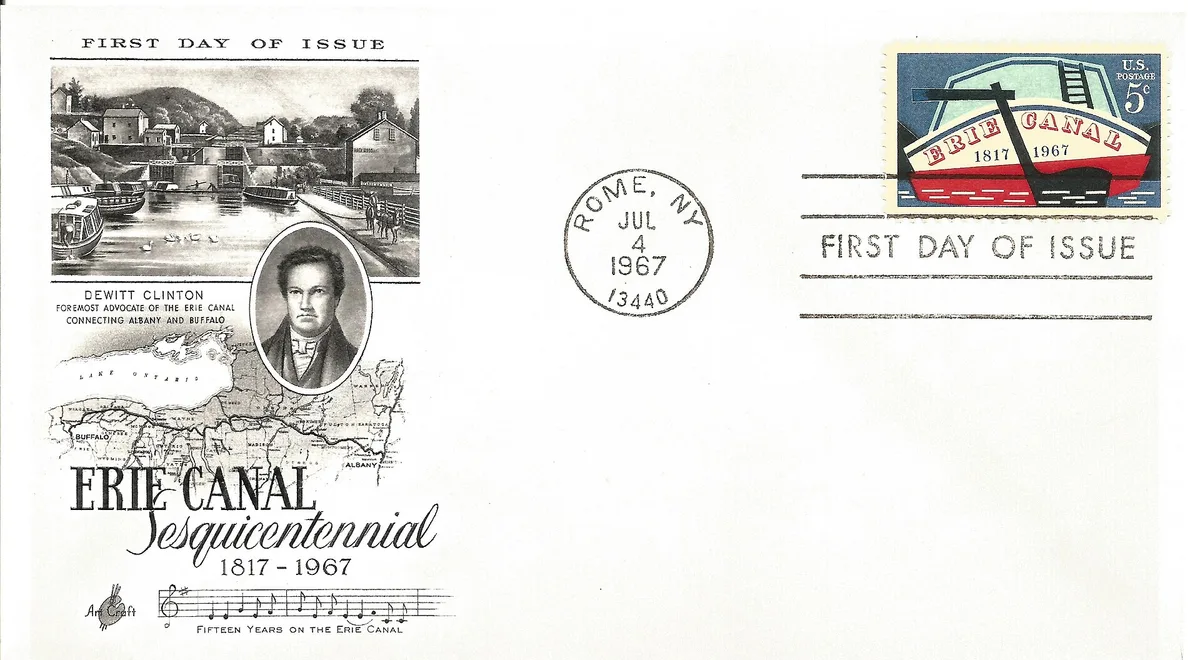
How the Erie Canal Changed America Forever
Opened on October 26, 1825, the 363-mile Erie Canal out-earned New York State's construction debt within a year and made New York City the country's commercial capital.
American history examined through archives, monuments, correspondence and the movements that textbooks compress into a sentence. Each piece explains how a past decision still shapes an argument being had today. Written for readers who want historical detail rather than a moral delivered in advance.
American history examined through archives, monuments, correspondence and the movements that textbooks compress into a sentence. Each piece explains how a past decision still shapes an argument being had today. Written for readers who want historical detail rather than a moral delivered in advance.
Opened on October 26, 1825, the 363-mile Erie Canal out-earned New York State's construction debt within a year and made New York City the country's commercial capital.
The dry era was meant to restore an older moral order. Instead it built the federal machinery, the nightlife and the policing habits we still live with.
The line closed in 1890. The stories never got the memo — and American film and fiction have been running on frontier fuel ever since.

Before there was a publishing industry worth the name, booksellers invented the American reading public.
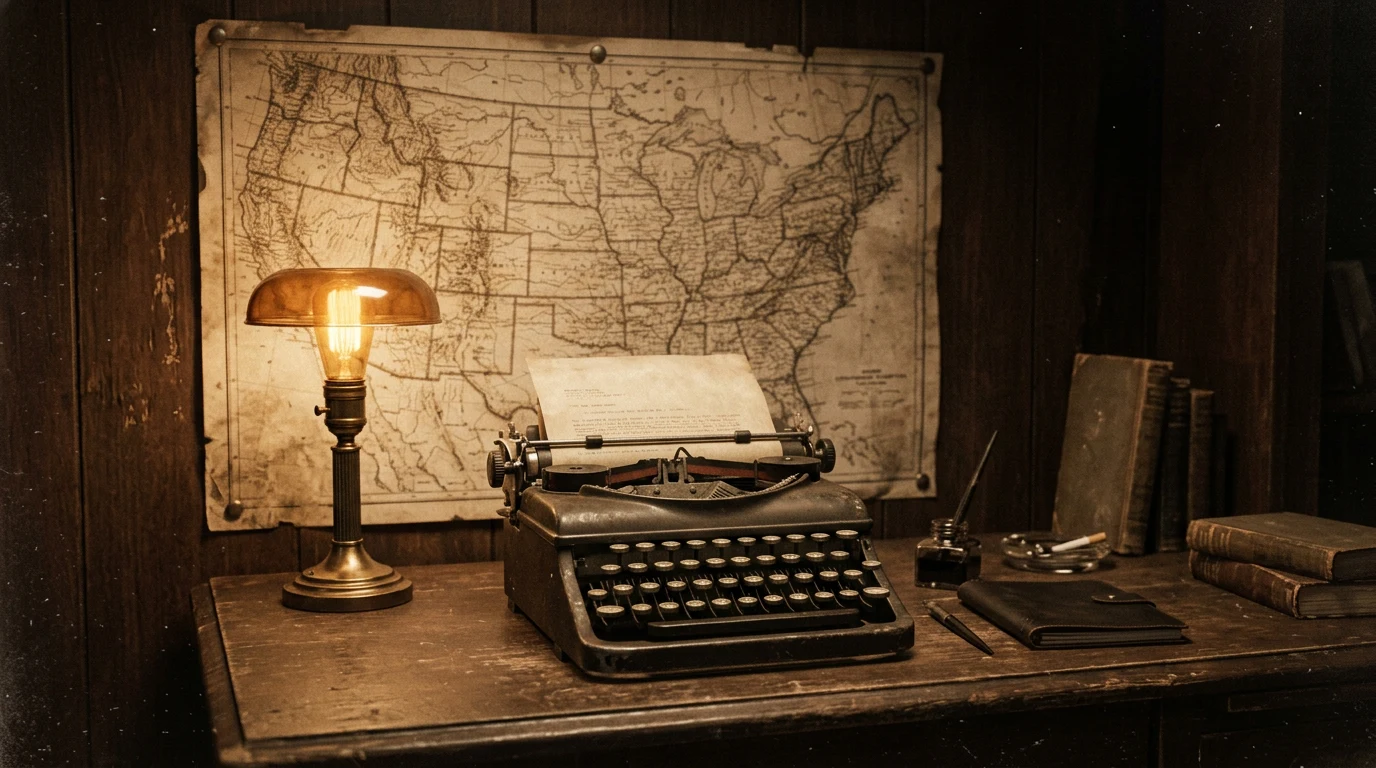
A Depression-era relief program put thousands of unemployed writers — including Zora Neale Hurston and Ralph Ellison — on the federal payroll to document the country, until the House Un-American Activities Committee decided it looked like communist sympathy.
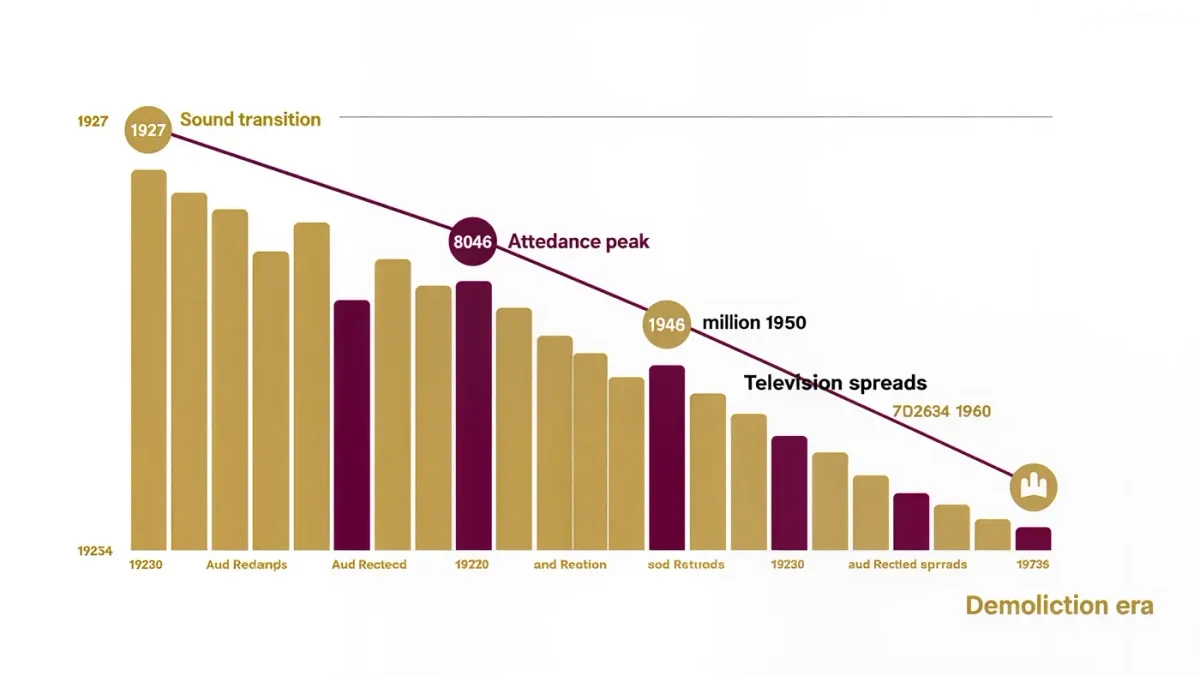
In the 1920s, American cities built cathedrals for cinema, with 6,000 seats, pipe organs, and ushers trained like cadets, and then spent forty years demolishing them.

On September 29, 1965, Lyndon Johnson signed a law putting the federal government in the grant-making business for art, and a Republican appointee named Nancy Hanks nearly made it popular.

A small New Deal publicity unit sent Dorothea Lange, Walker Evans, and Gordon Parks across the country, and the pictures they brought back became the permanent image of the Depression.
For two decades, American networks kept full symphony orchestras on staff and millions tuned in weekly, until television fired the musicians and sold the music stands.
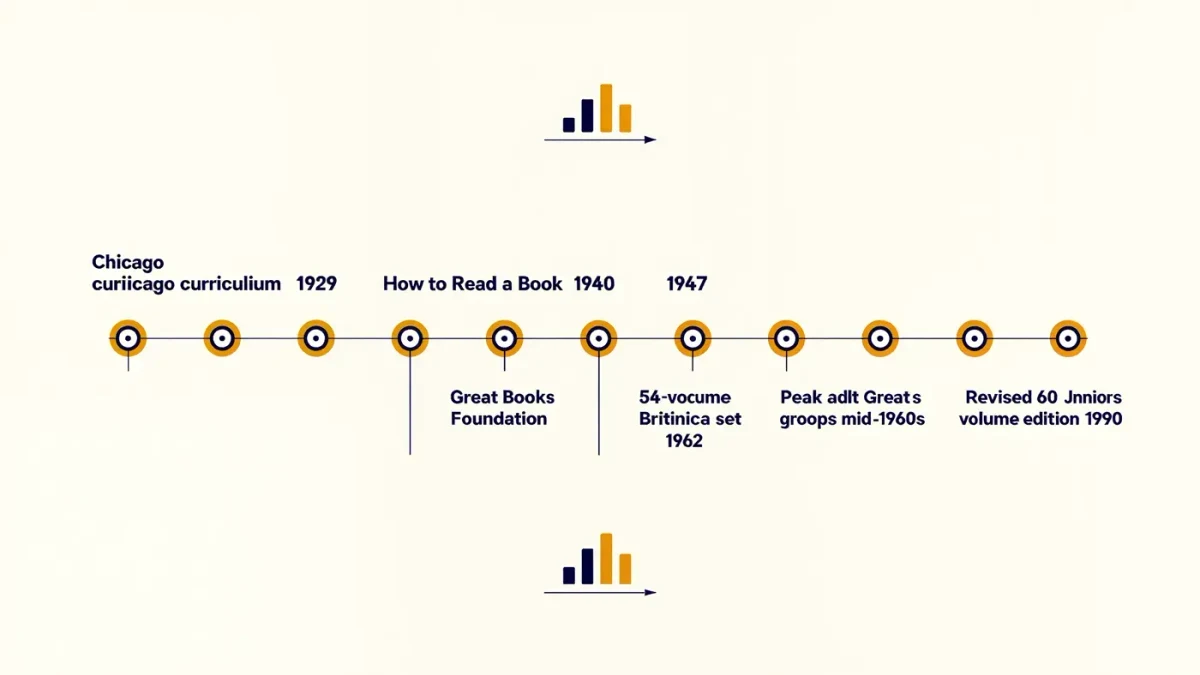
In 1952, Encyclopaedia Britannica sold 54 volumes of dead white males door to door for $249.50, and mid-century America bought the idea that a shared reading list could save it.