The myth of the self-made American holds that fortune is built alone; the data say otherwise. A 2012 Pew Economic Mobility Project study found 43 percent of children born into the bottom income quintile stay there as adults, and only 4 percent climb to the top. The ideal shaped the culture anyway.
Few national stories have been told so often and checked so rarely. The phrase built novels, campaigns, and fortunes, and it still runs through political speech on every side. The record shows a different machine: self-making as a team sport, with luck, place, and family doing quiet work beneath the legend.
Who Invented the Self-Made Man?
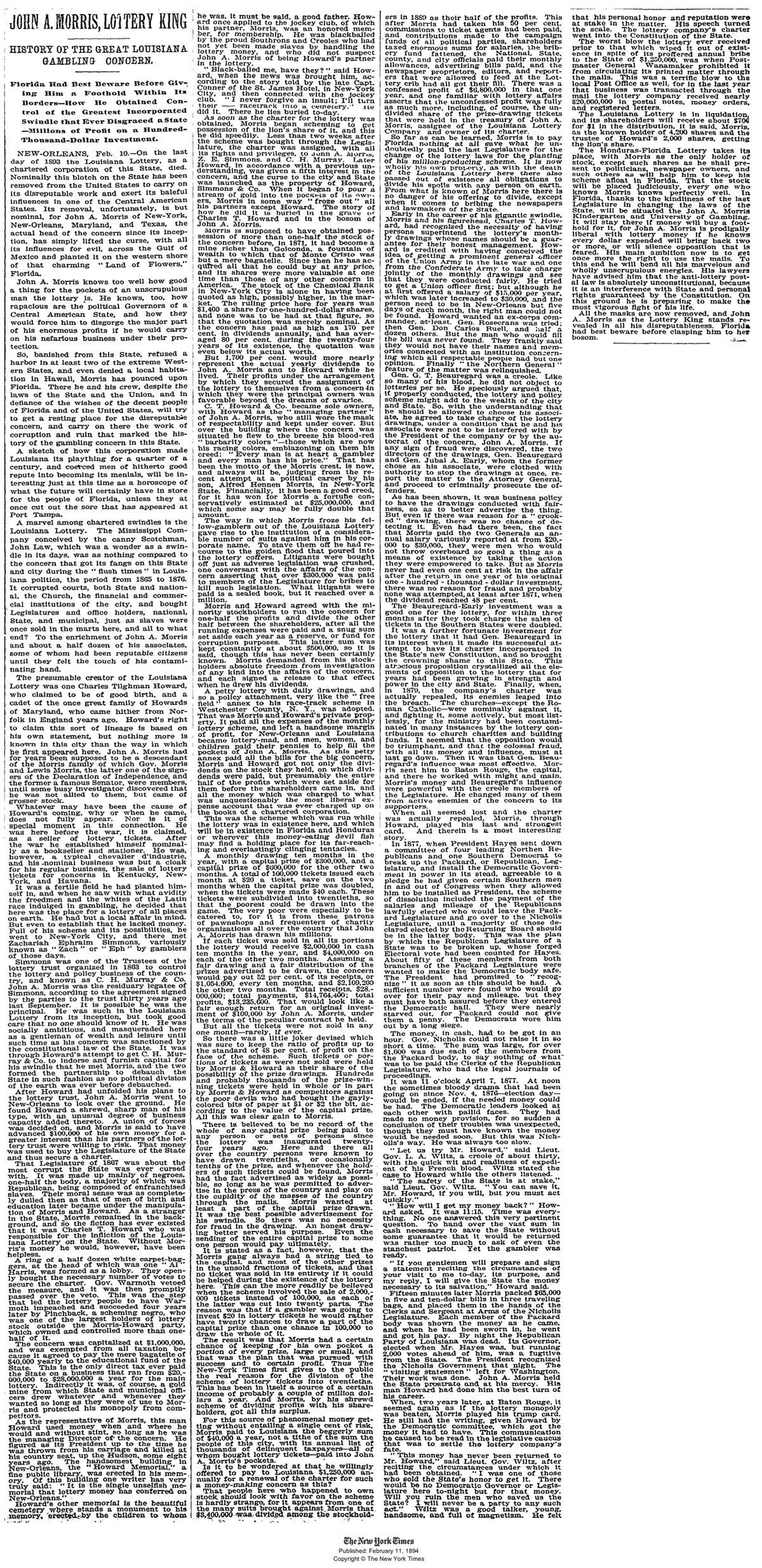
The label is old and the myth is older. The Oxford English Dictionary traces the first written use of "self-made man" to a 1650 poem by the English physician John Bulwer. The phrase entered American and British periodicals in the 1820s, and a still-repeated story credits Henry Clay with coining it in the Senate on February 2, 1832, a claim historians no longer accept. Benjamin Franklin became the type's founding exhibit. His Autobiography, the story of a candle-maker's son who rose by industry, economy, and perseverance, was praised as the most remarkable history of a self-made man, and it set the template for a century of success writing.
What Did Frederick Douglass Say About It?
Douglass lectured on self-made men from 1859 onward, across decades, and the papers are archived in the Frederick Douglass Papers at the Library of Congress. His verdict cuts both ways. There are, he said, "no such men as self-made men," because every person borrows from those who came before and reaps where others have sown. Yet he still honored the type, defining self-made men as those who rose without favoring circumstances and became architects of their own fortunes. Even the concept's great theorist, a man who escaped slavery and built his life twice, refused the literal version. For him the ideal was a question, not a slogan.
How Did Fiction Sell the Dream?
Novels did the mass production. Horatio Alger Jr. secured his niche in 1868 with Ragged Dick, the story of a poor bootblack's rise to middle-class respectability, and his name became shorthand for the rags-to-riches narrative. The formula ran for decades and seeded a national assumption. F. Scott Fitzgerald then wrote the counterargument. His Jay Gatsby, the socially ambitious self-made man of The Great Gatsby, ends the novel dead while the careless rich carry on unbothered. In 1947, a group in Alexandria, Virginia took Alger's name for the Horatio Alger Association of Distinguished Americans, which still grants scholarships and an annual award for perseverance.
Does Mobility Data Support the Myth?
The numbers argue with the legend. A 2012 Pew Economic Mobility Project study tracked where children land as adults:
- 43 percent born into the bottom income quintile stay there.
- 40 percent born into the top quintile stay at the top.
- 4 percent climb from the bottom quintile to the top.
Absolute mobility has slowed too. A 2007 study built on the Panel Study of Income Dynamics found 67 percent of Americans who were children in 1968 earned more than their parents, and that proportion had fallen from roughly 90 percent among Americans born in the 1940s. Global rankings are blunt as well: the United States placed 27th in the 2020 Global Social Mobility Index. Belief in self-making remains the outlier. In Brookings Institution survey work, 69 percent of Americans agreed that people are rewarded for intelligence and skill, the highest share among 27 nations.
Conclusion: A Myth With a Job to Do
The self-made American is false as physics and useful as folklore. It sets a high bar for effort and a low bar for empathy: if everyone can rise alone, no one owes anyone a ladder. Douglass saw both halves a century before the data arrived. The honest civic version keeps the encouragement and drops the arithmetic of solitude. People do build themselves in America, against real odds, and they do it with schools, roads, neighbors, luck, and the labor of those who came first. The country can honor its myth only by admitting it is one. We covered a connected angle in Why America Fell So Hard for Maker Culture.