Reporting on how Americans actually live alongside one another, from congregations and unions to block associations and school boards. The section documents which shared institutions are holding, which are emptying out, and what replaces them. For readers interested in social change described through people rather than statistics alone.
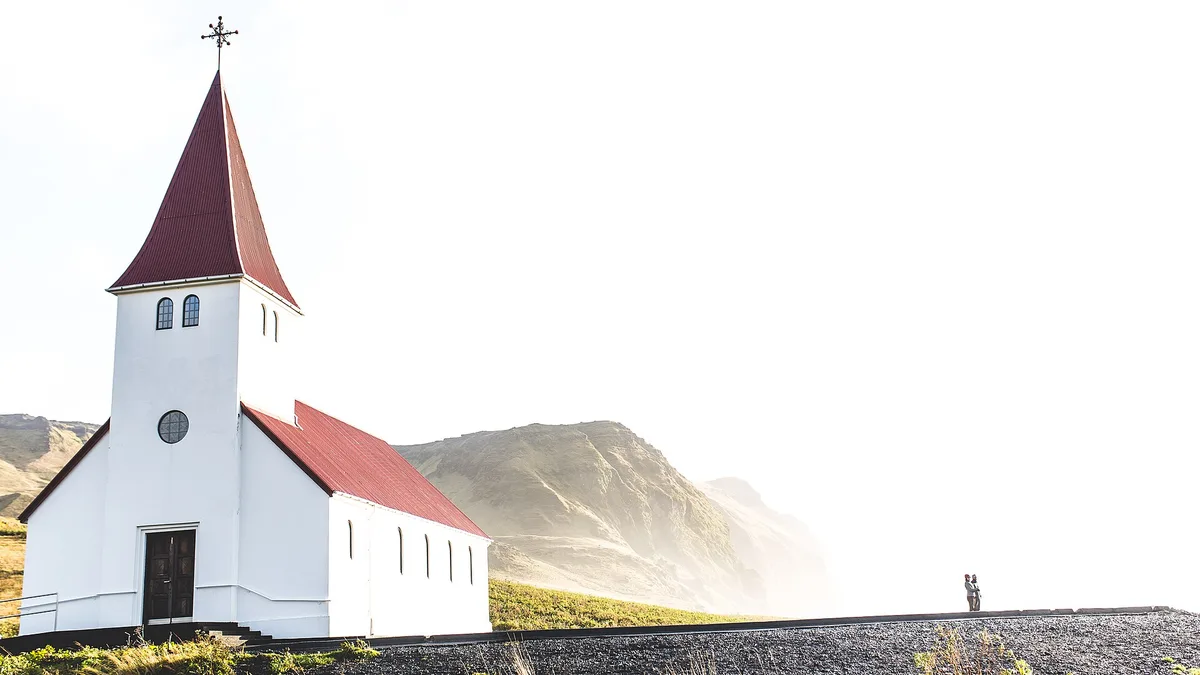
Americans have always shopped for congregations. From colonial dissenters to the accelerating religious switching behind today's unaffiliated boom, choosing a faith is a national habit.
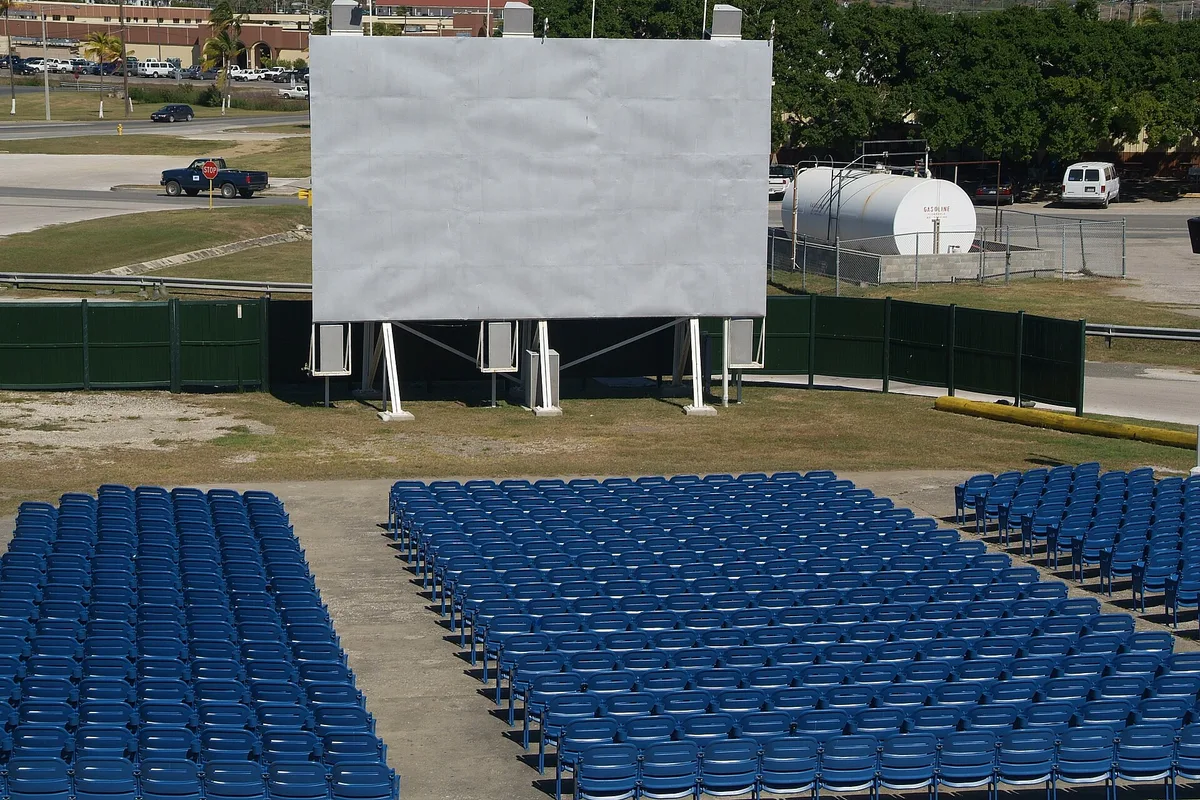
Single-screen movie theaters once anchored Main Streets across America. Multiplexes, digital projection, and streaming changed the business, and old theaters found new jobs.
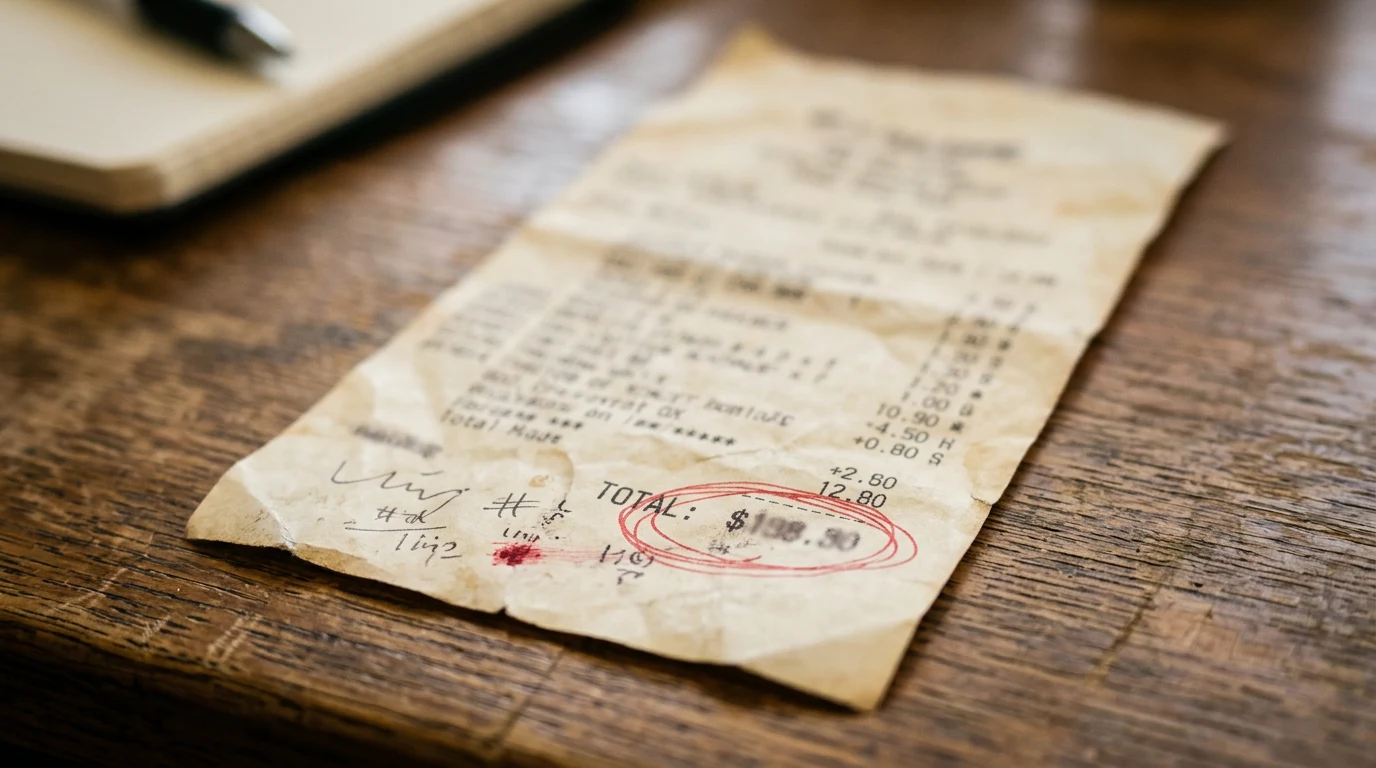
One Social Security statistician priced the cheapest food plan in America, multiplied by three, and accidentally wrote the definition the country still uses.
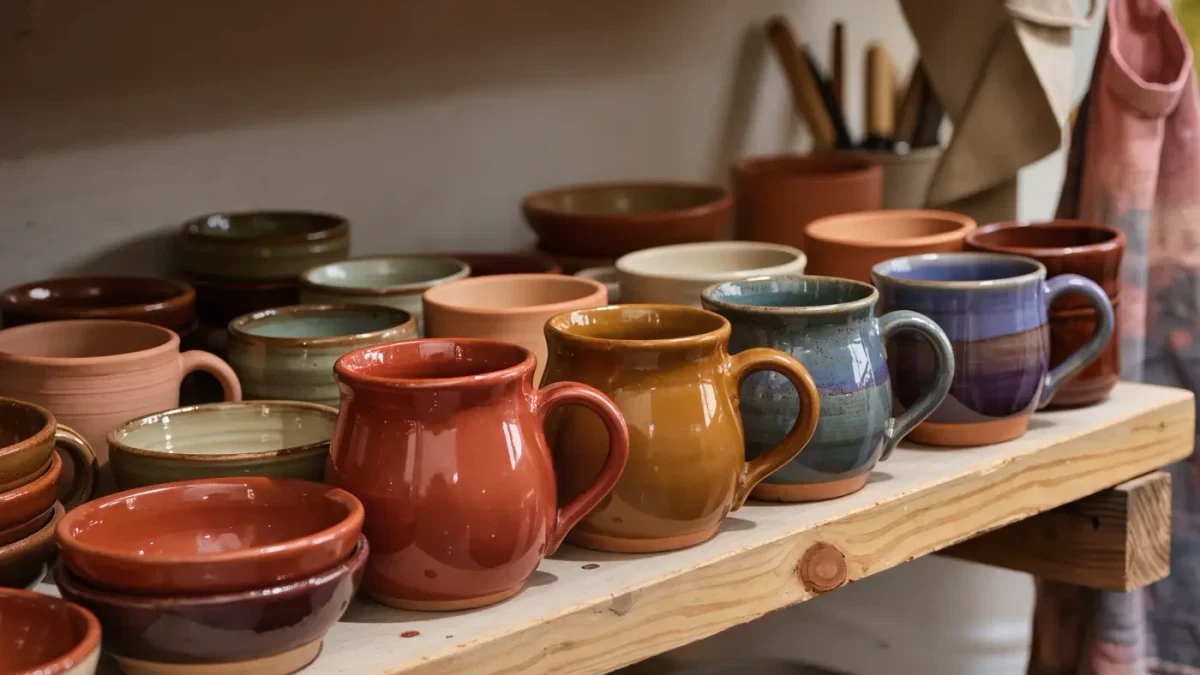
A country that industrialized craftsmanship out of existence spent two decades and billions of dollars buying it back — one Etsy shop, craft brewery and laser cutter at a time.
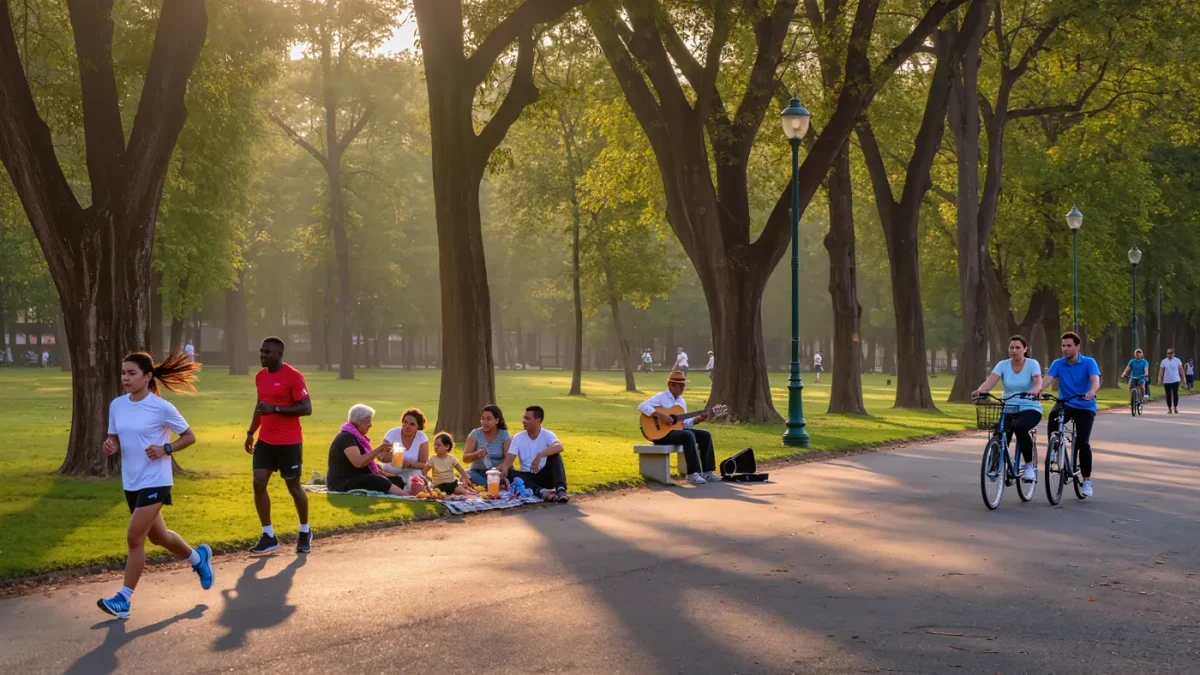
The same institutions get rediscovered roughly once a generation — Olmsted's heirs in the 1970s, inner-city parks in the 2000s, the whole system in 2020 — and each rediscovery says more about the country than the parks.
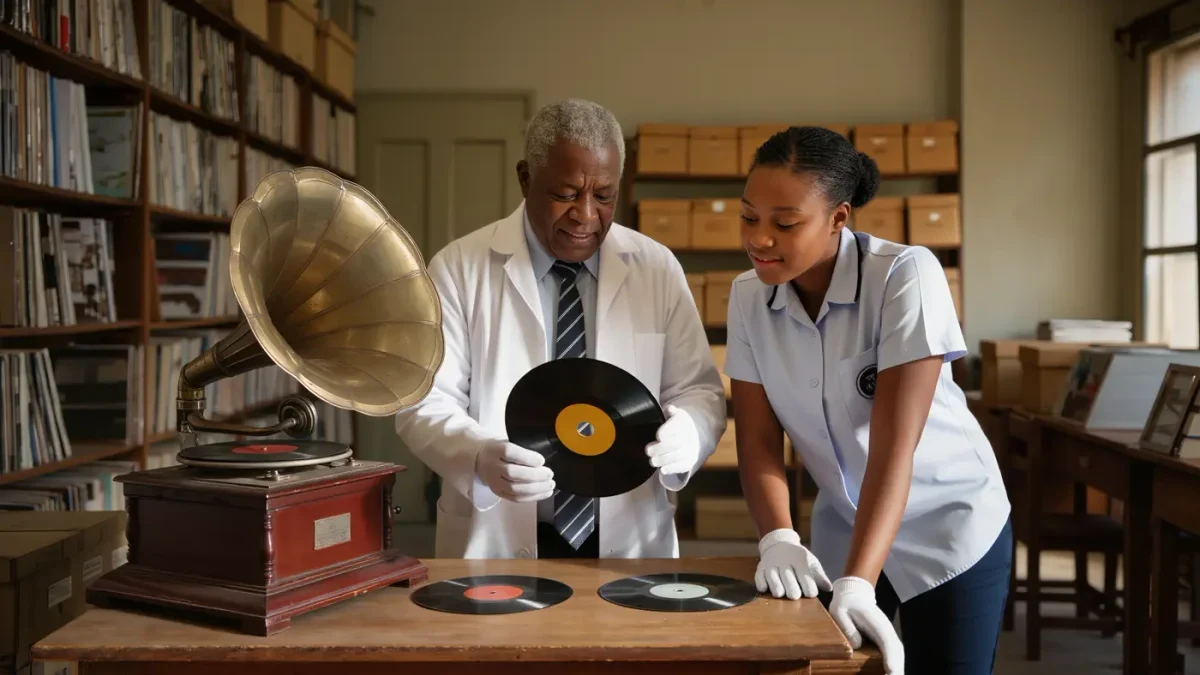
Every January first, another batch of American recordings slips into the public domain — and the fight over who may use the century-old heart of American popular music gets a little stranger.
After decades of obituaries, the small-town Main Street is filling back up, and the reasons have less to do with nostalgia than with economics finally cooperating.