Ideas
Self-Help Before the Shelf: How America Invented the Improvement Book
Long before paperbacks, Americans were writing advice books. From Franklin's almanack to Dale Carnegie, the history of self-help books runs deeper than you think.
Intellectual history for general readers. This section traces arguments back to the books, essayists and movements that produced them, then tests how well those arguments hold up now. Suited to anyone who reads philosophy, criticism or political theory without needing a seminar to make sense of it.
Long before paperbacks, Americans were writing advice books. From Franklin's almanack to Dale Carnegie, the history of self-help books runs deeper than you think.
Deadlines, sprints, and a ruthless shelf beat willpower every time.
A second pass is not wasted time. It is how a book finally becomes yours.

Middlebrow was the mid-century aspiration to climb through culture by checklist — Book-of-the-Month Club, Great Books, Leonard Bernstein on television — and its disappearance says more about aspiration than about art.
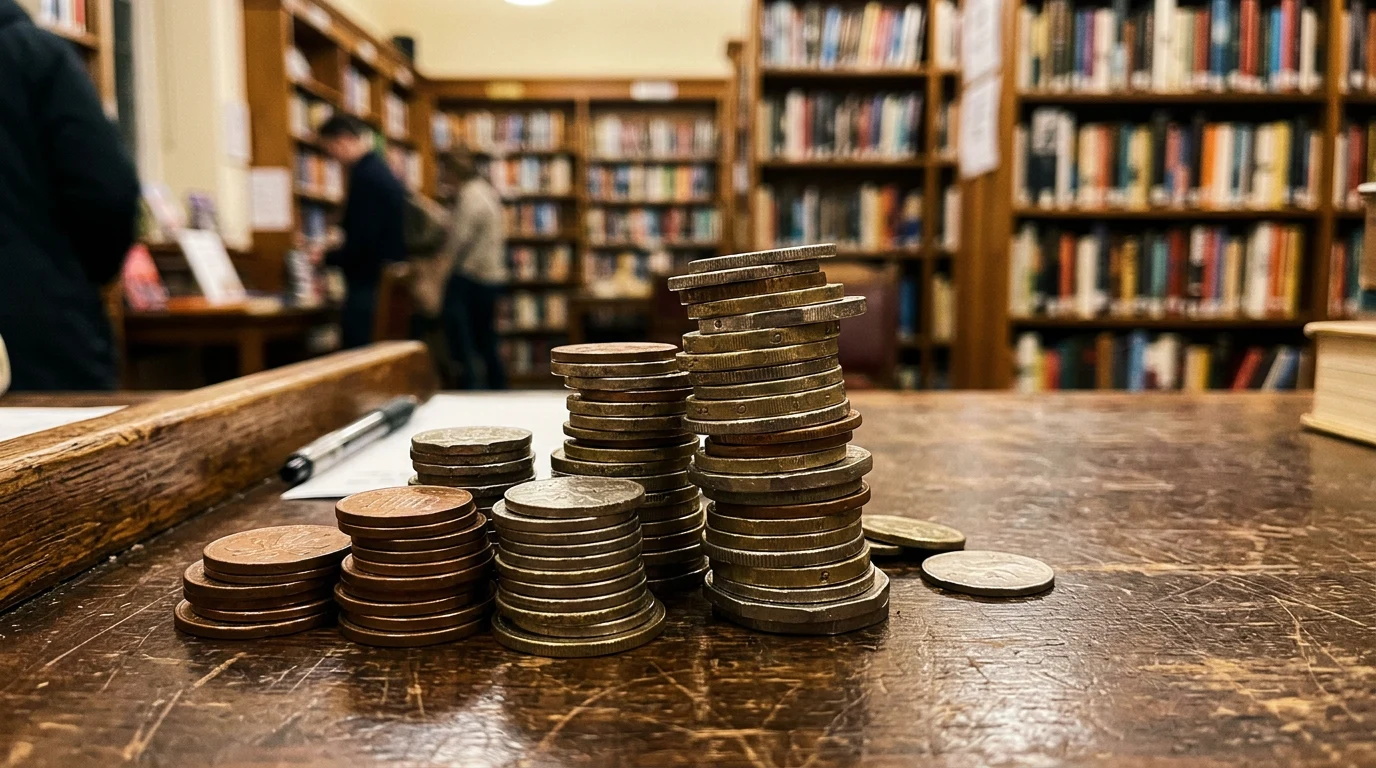
Washington barely touches the budget. Here's who really pays for the local library.
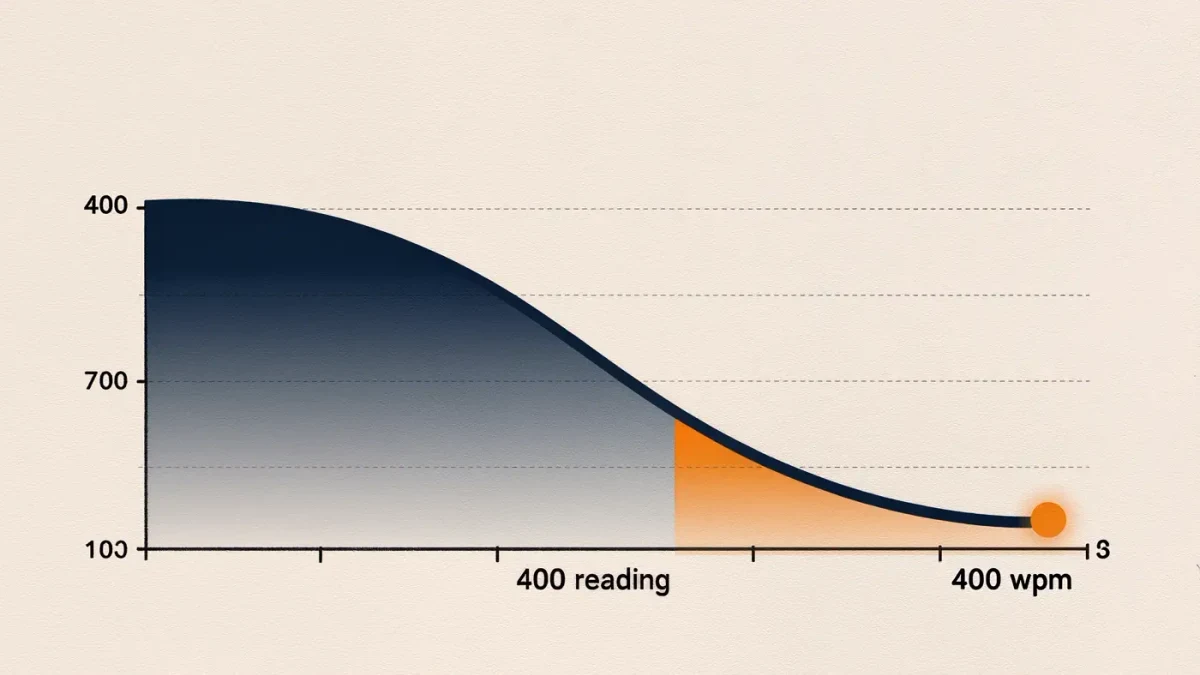
Americans read more words than any generation in history — and remember fewer of them. The cure is not more information.

Folk was defined by how it traveled — songs passed hand to hand — and streaming changed the meaning of hands.
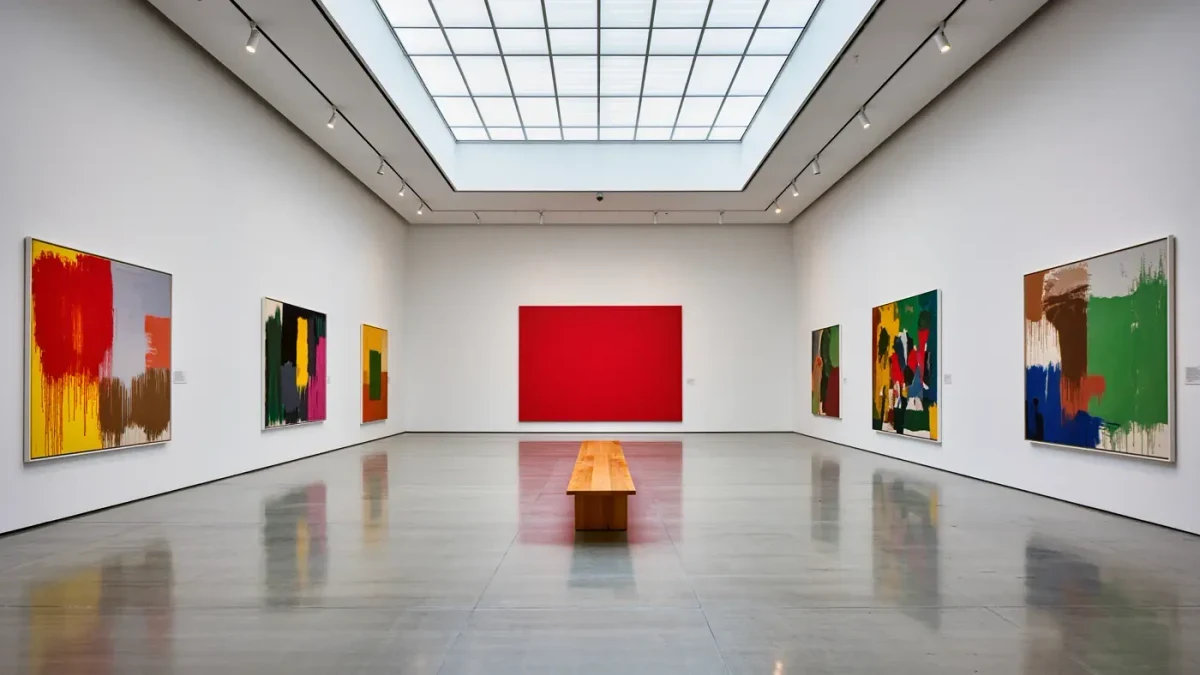
Mocking the abstract canvas is one of the country's oldest participatory art forms — and the museums keep selling tickets to it.

Americans built the greatest private film libraries in history — then traded them for a rental that can be edited without notice.
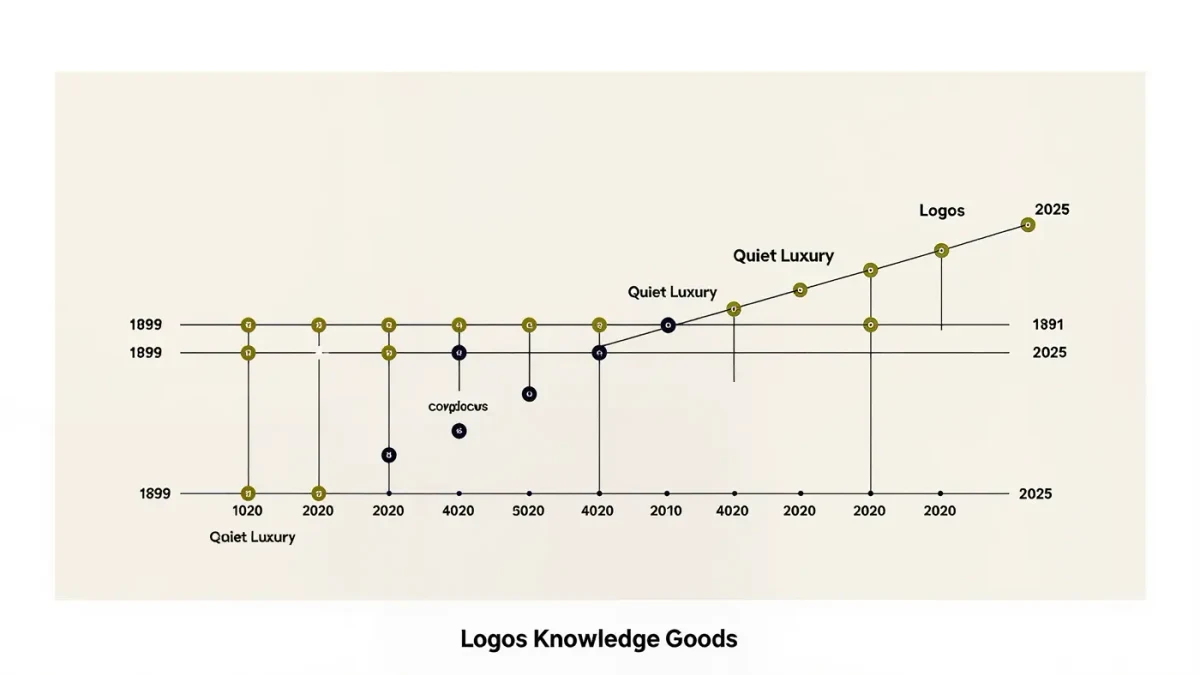
Americans spent decades buying their way up the class ladder — and then the ladder moved to something credit cards cannot reach.