Route 66 was never built from scratch; it was assembled, and that is the start of its hidden history. Established on November 11, 1926, the road stitched existing trails into a 2,448-mile line from Chicago to Santa Monica. Its real story runs through a numbering fight, Dust Bowl migration, and a federal rewrite that ended in 1985.
The road that stands for open-road freedom began as a paperwork decision, pushed by promoters and signed into the national map. What it became along the way surprised everyone, including the men who named it.
How Was Route 66 Built on Paper First?
The highway borrowed its body from older roads: the National Old Trails Road, pieces of the Ozark Trails, and the Lone Star Route. Businessman Cyrus Avery of Oklahoma wanted the number 60, but Kentucky won that fight, and an Oklahoma highway engineer, John M. Page, found 66 lying unassigned. Avery took it and promoted the road as the shortest and most scenic route west. The U.S. Highway 66 Association formed in 1927 to market the whole length. By 1938, Route 66 had become the first U.S. highway to be fully paved.
Why Do the Dust Bowl Years Still Define the Road?
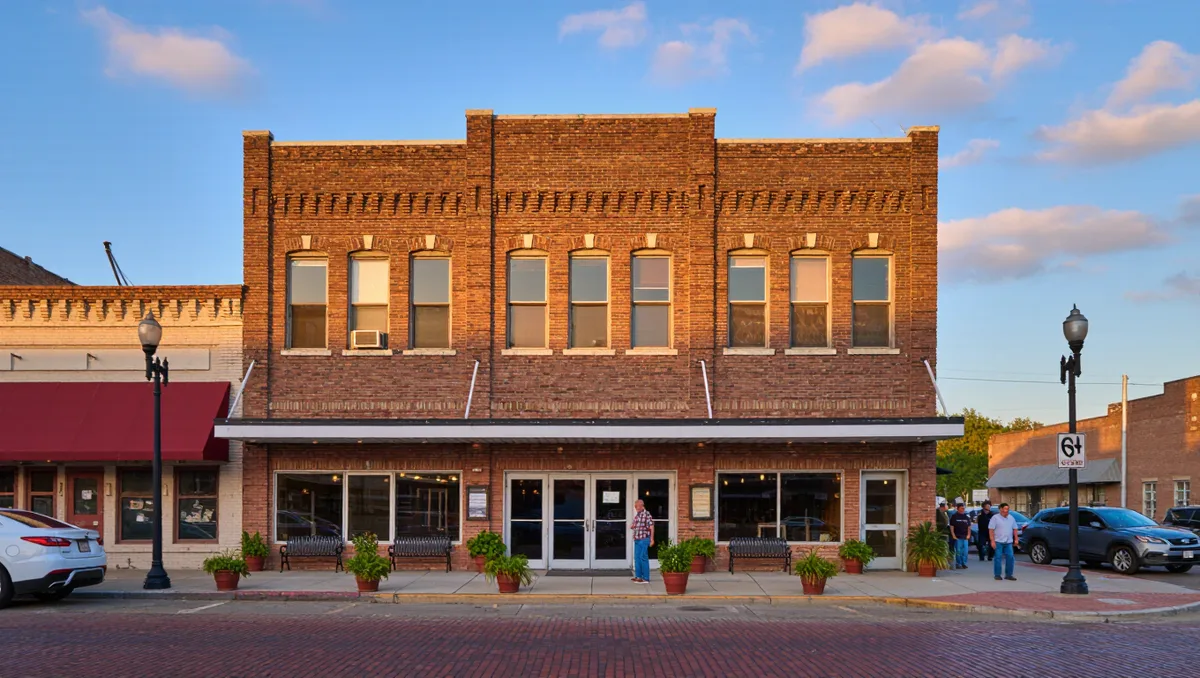
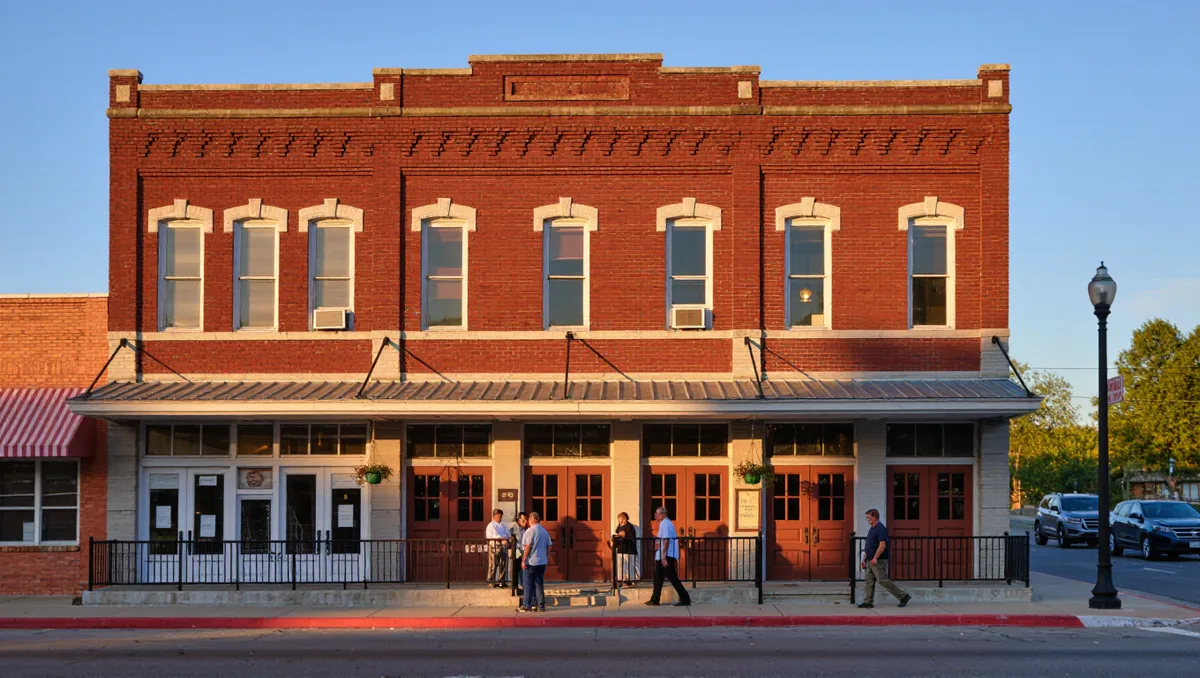
In the 1930s, the road carried a hard migration. Families from the southern Plains, tagged as Okies, drove west toward California and farm work. John Steinbeck fixed the image in The Grapes of Wrath in 1939, and the nickname Mother Road comes from that novel. The traffic paid towns along the way. Filling stations, restaurants, and motor courts grew up to serve the cars, and the road became the main street for hundreds of small communities. Readers following this should also see When Small Towns Built Opera Houses.
What Did the Roadside Look Like at Its Peak?
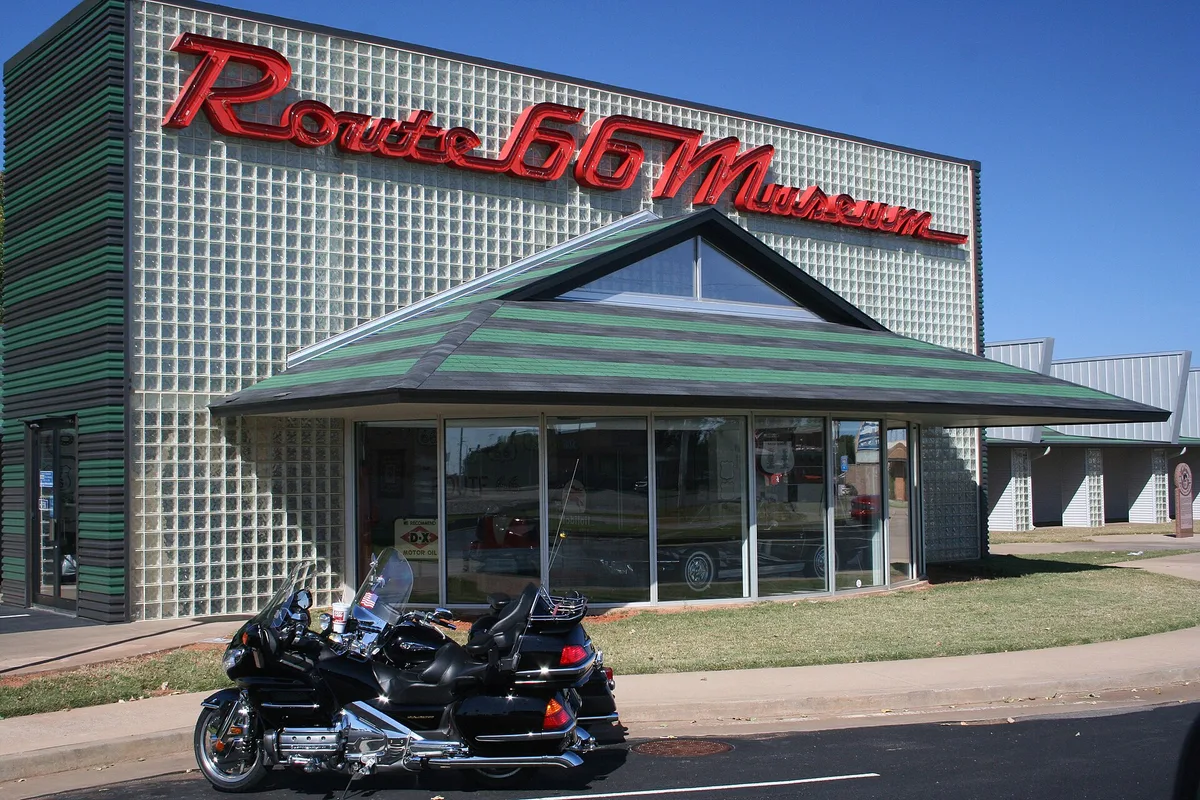
By mid-century, the highway had become a corridor for automobile tourism, aimed at travelers bound for the Grand Canyon and the Painted Desert. The traffic built a distinct style of roadside architecture. We covered a connected angle in How the Federal Art Project Painted America.
- Teepee-shaped motels and themed service stations lined the route.
- The U-Drop Inn in Shamrock, Texas, an art deco stop, now sits on the National Register of Historic Places.
- Early drive-through restaurants foreshadowed the fast-food chains that followed the cars.
The promotion was show business too. A 1928 footrace called the Bunion Derby ran the route from Los Angeles to Chicago and drew national attention. A 1932 advertising push in The Saturday Evening Post urged Americans to drive US 66 to the Summer Olympics in Los Angeles.
How Did the Interstate Kill the Road?
The Federal-Aid Highway Act of 1956 started the decline by funding the Interstate Highway System. Toll roads moved first: the Turner Turnpike between Tulsa and Oklahoma City opened in 1953, followed by the Will Rogers Turnpike in 1957. New interstates then bypassed town after town, and some communities fought the routing to keep their traffic. The 1965 Highway Beautification Act added injury by restricting roadside signs on the interstates, which made old-route businesses harder to find. AASHTO, the body that governs the numbering system, stripped the US 66 designation entirely in 1985.
Where Does the Road Still Live?
The road survived its own funeral. Many segments became Historic Route 66, a National Scenic Byway, folded into state and local road systems. The culture kept the address as well. Bobby Troup wrote a song about the road in 1946, Nat King Cole recorded it first, and a television series carried the name from 1960 to 1964. In 2006, the film Cars put a bypassed Route 66 town at the center of its story. In Santa Monica, a sign marks the official western end near a 1959 coffee shop, while the pier down the street holds the symbolic one.
Conclusion: Why the Hidden History Matters
Route 66 hides a plain lesson: icons are made, not found. A committee picked the number, boosters sold the drive, migrants gave the road its meaning, and engineers retired it when better pavement arrived. What lasted was the story, and the story outlived the highway that carried it.