Culture News
Why the Little Free Library Movement Keeps Spreading
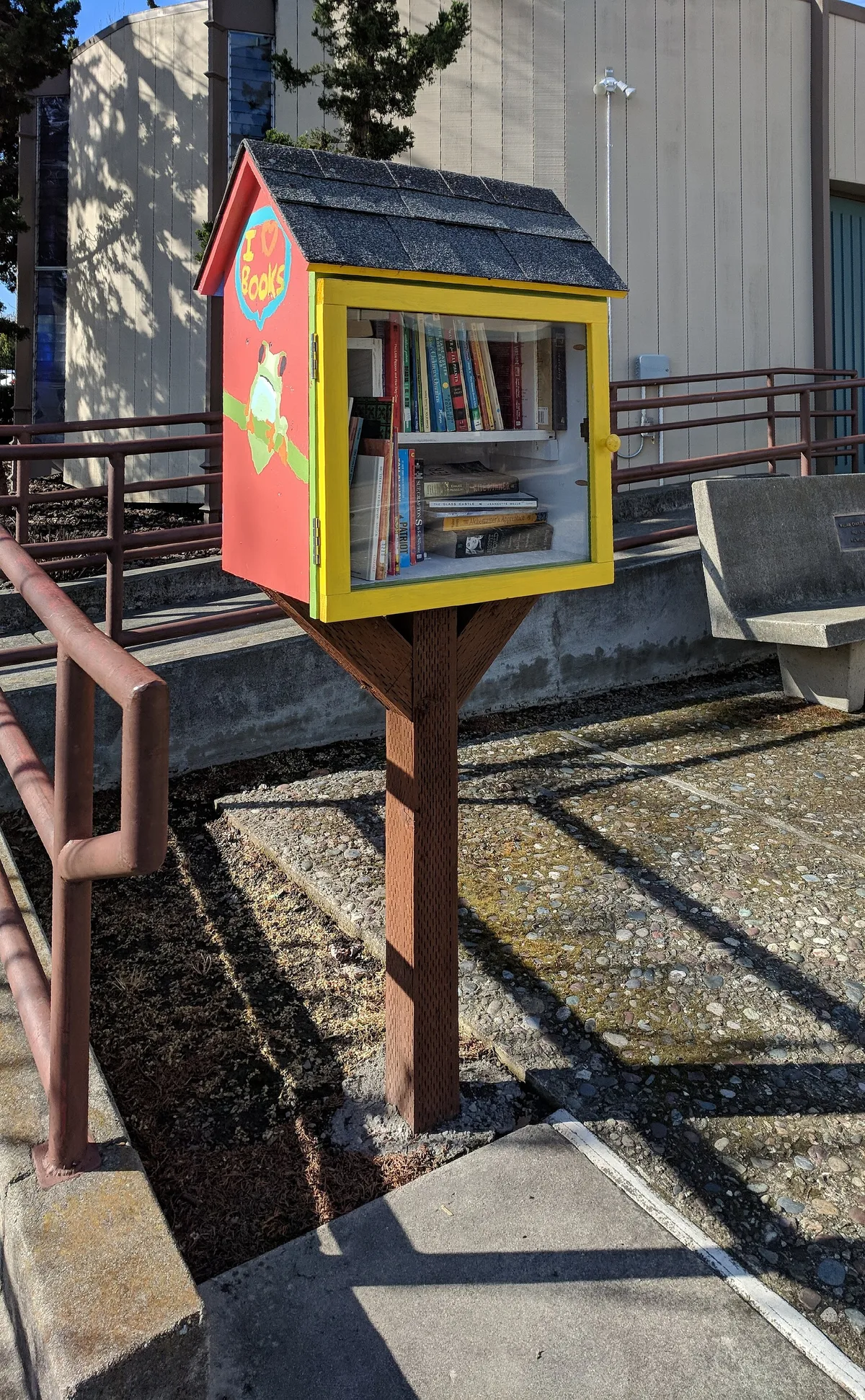
Little Free Library began with one handmade box on a lawn in Wisconsin. Today millions of books change hands each year through a worldwide network of small public bookcases.
The running news file on American cultural institutions: leadership changes, prize shortlists, grant decisions, canceled seasons and new programming. Items are short, dated and sourced. Useful for curators, publicists, grantmakers and readers who need to know what shifted in the arts this week.
Little Free Library began with one handmade box on a lawn in Wisconsin. Today millions of books change hands each year through a worldwide network of small public bookcases.

Behind most landmark novels stands someone readers never see. Here is what book editors actually do, and why the job is built to stay invisible.
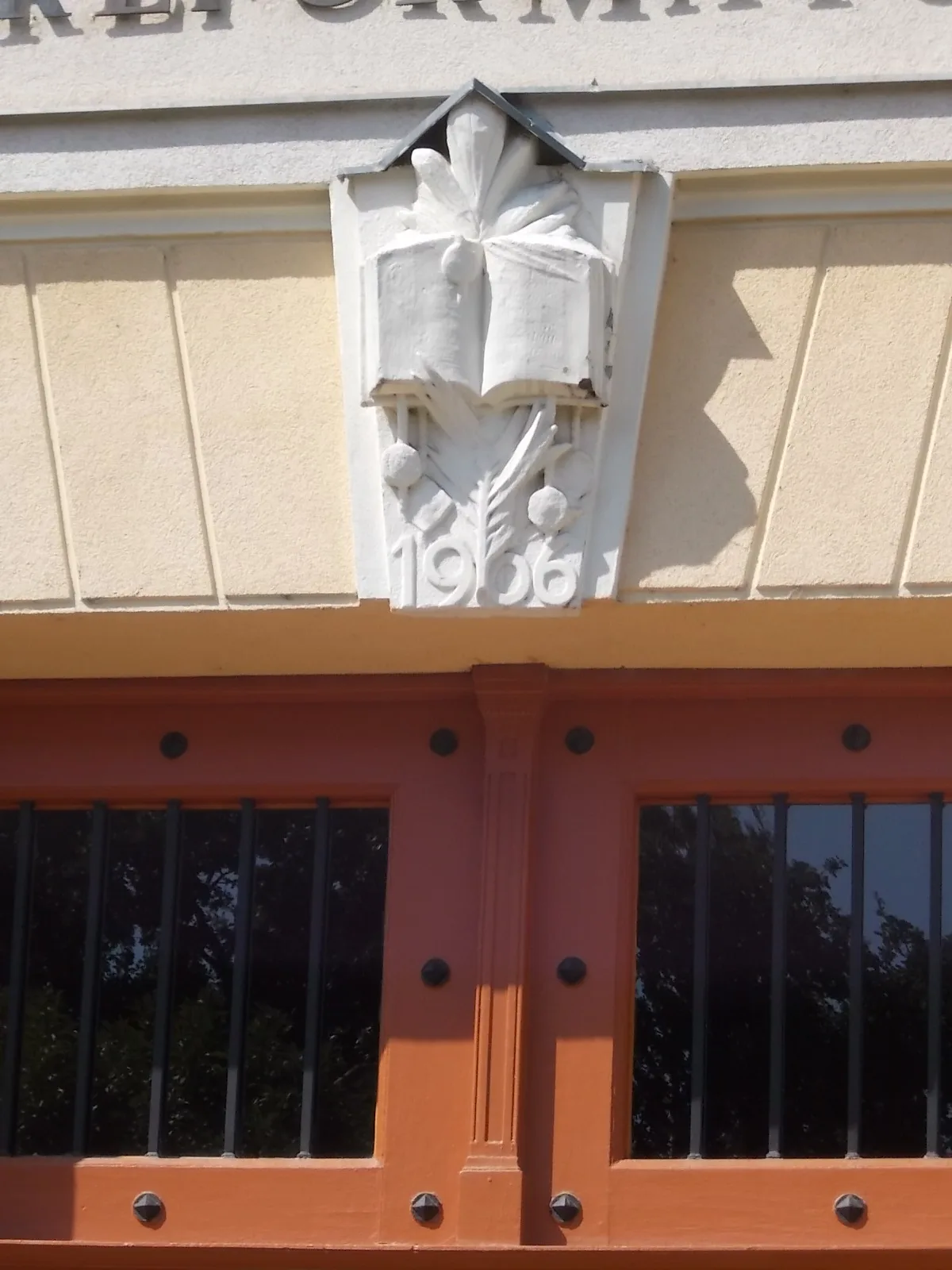
Most challenges start with one person and a complaint form. The fight happens in meetings most people never attend.
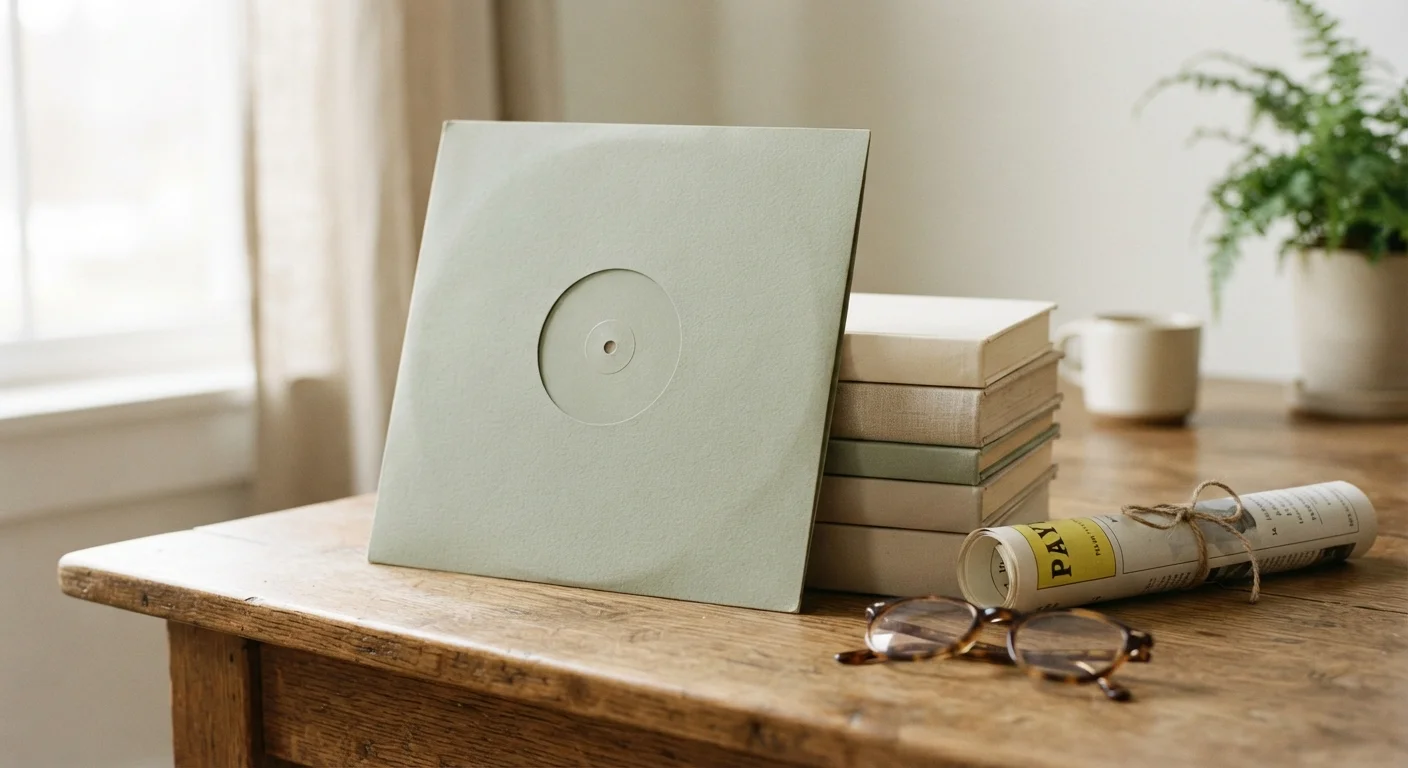
Five dispatches from the culture conversation: a genre-crossing album of the year, a record Broadway season, federal arts arithmetic, a registry induction, and vinyl's long second act.
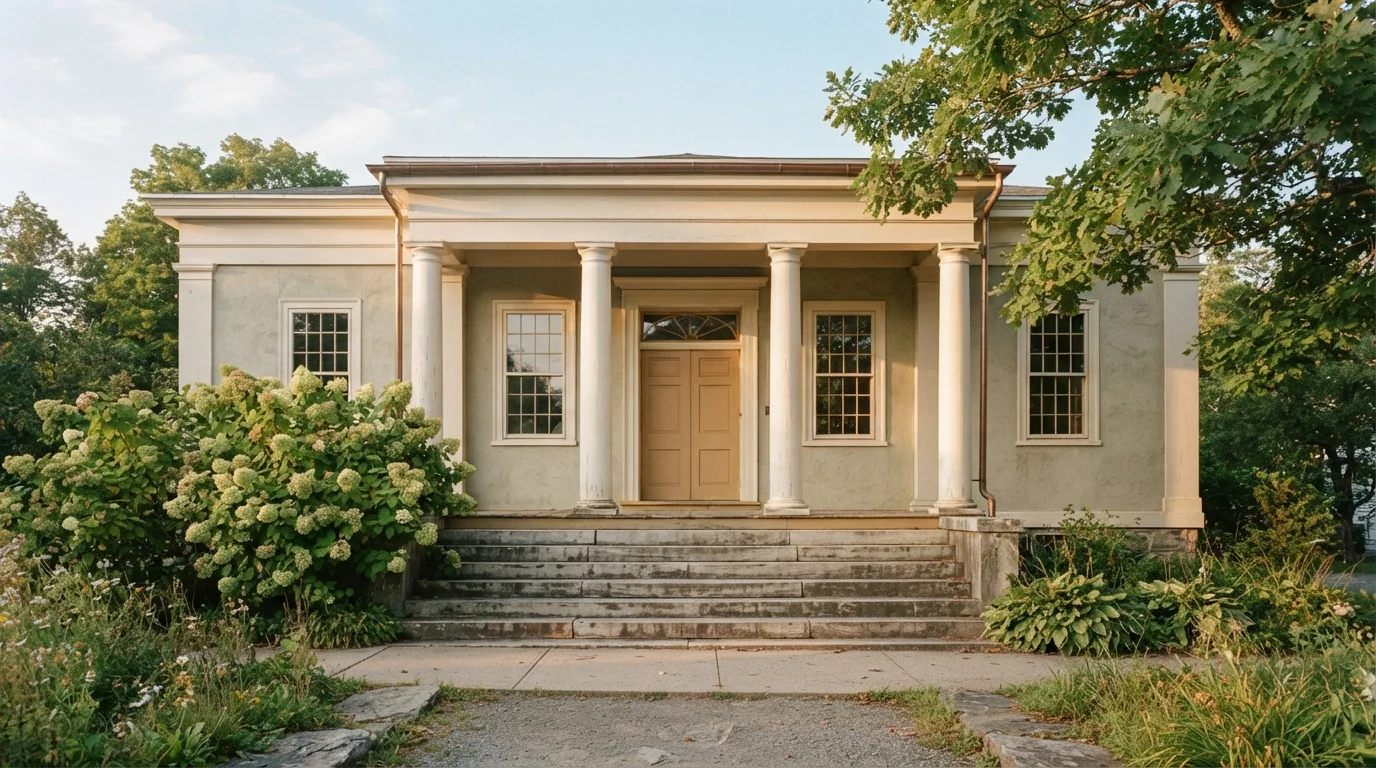
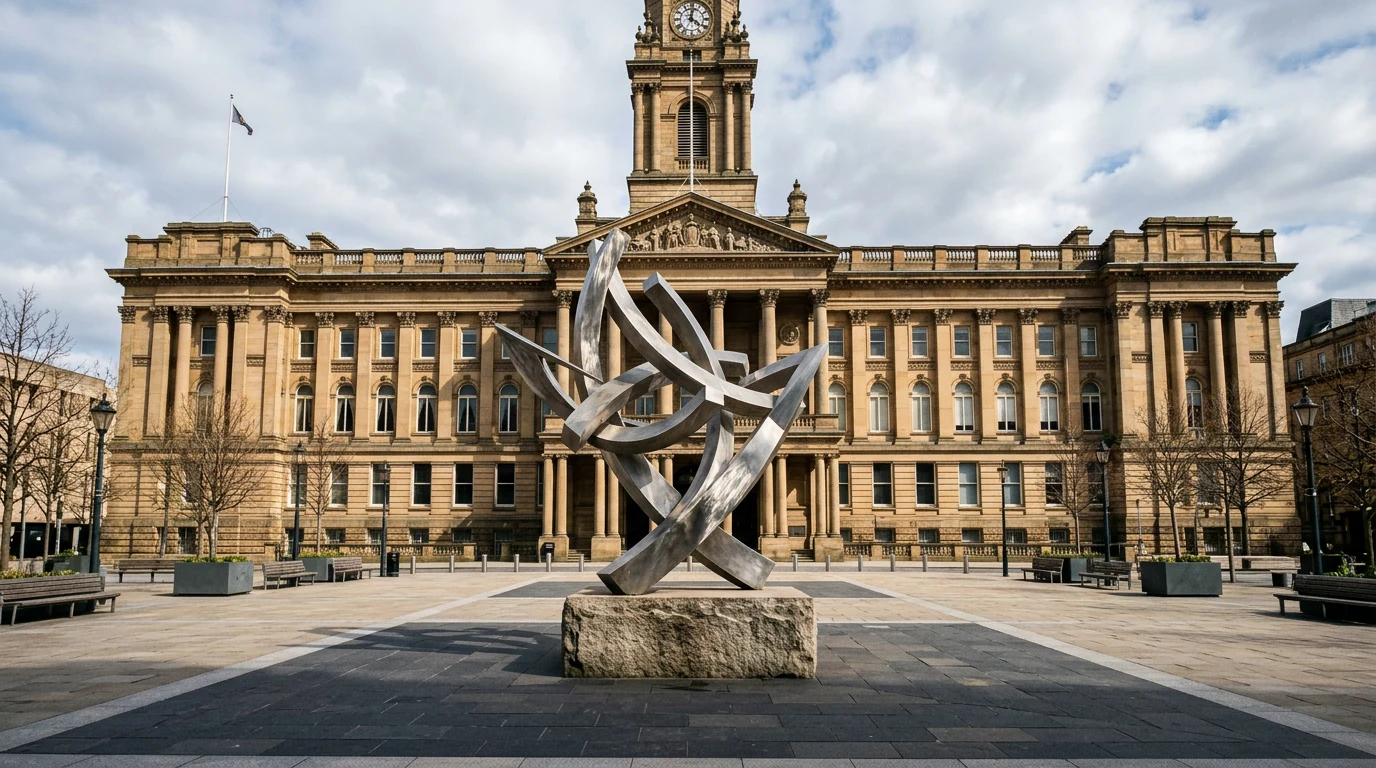
Percent-for-art laws have quietly financed American public art since 1959 by taxing construction budgets a penny on the dollar — and they fail the same way they succeed, by being invisible.
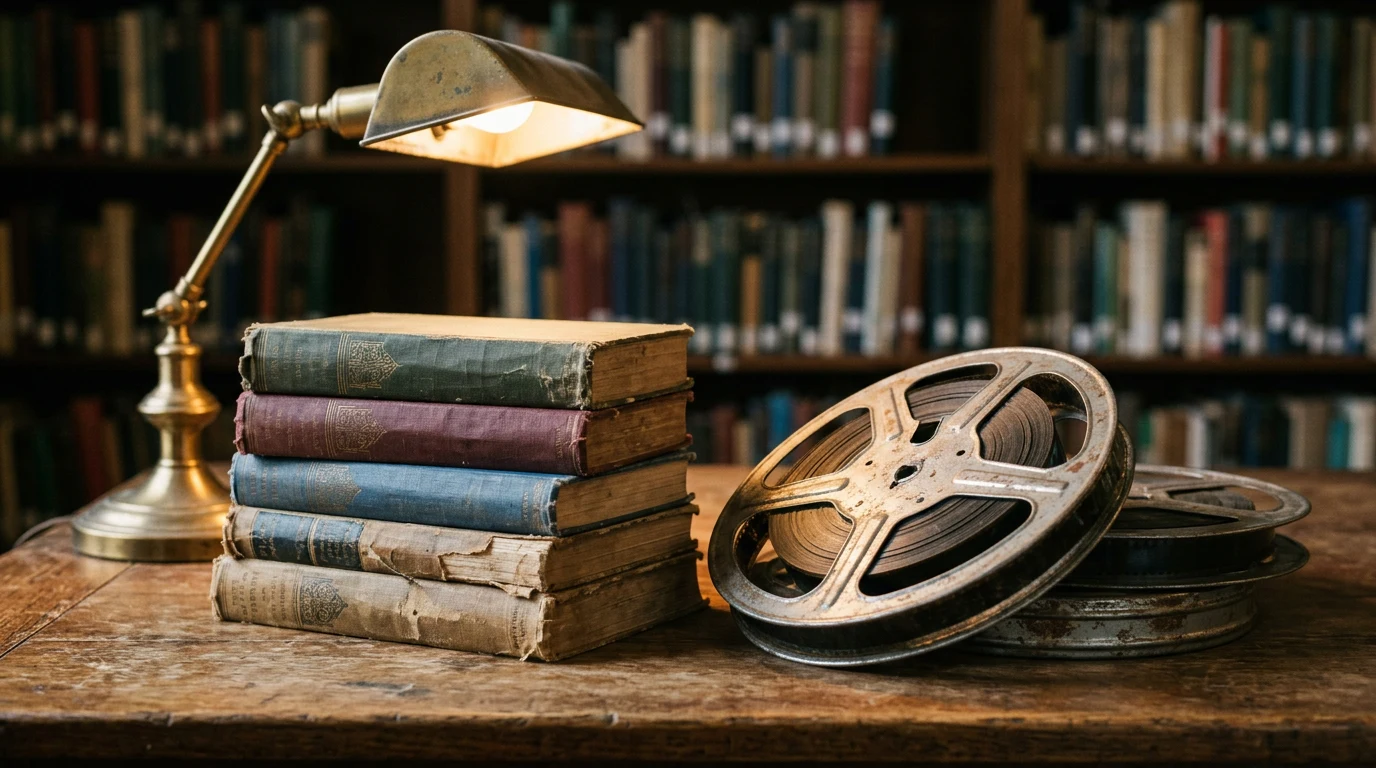
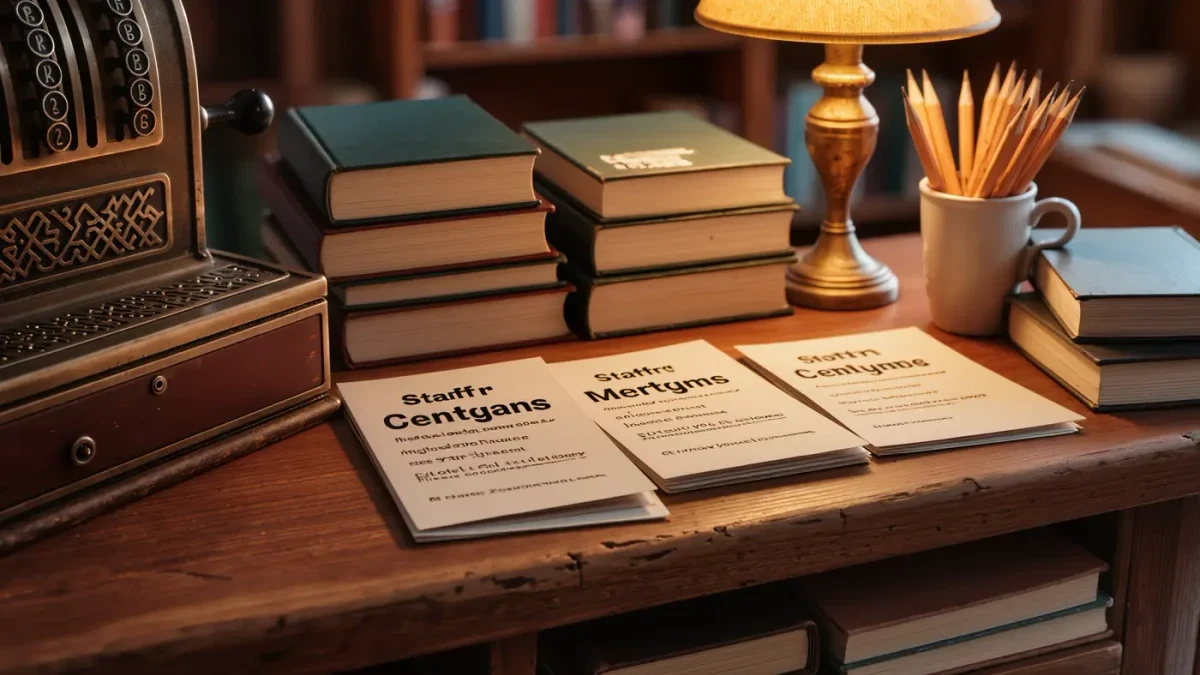
Independent bookstores have died by the thousands, organized under the American Booksellers Association, and reopened in surprising numbers — because the business model turned out to be about everything except books.
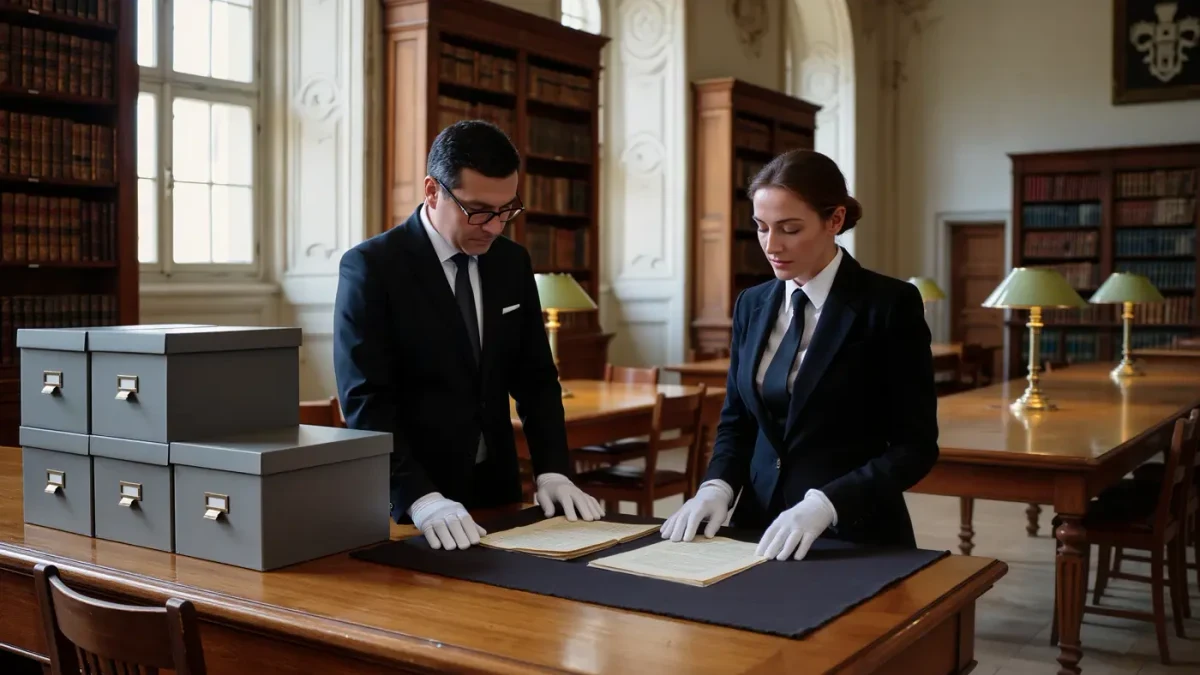
The National Endowment for the Humanities announced $75.1 million for 84 projects in January 2026 and $41.4 million for 81 more in July — a semiquincentennial spending plan for museums, archives, and scholars.
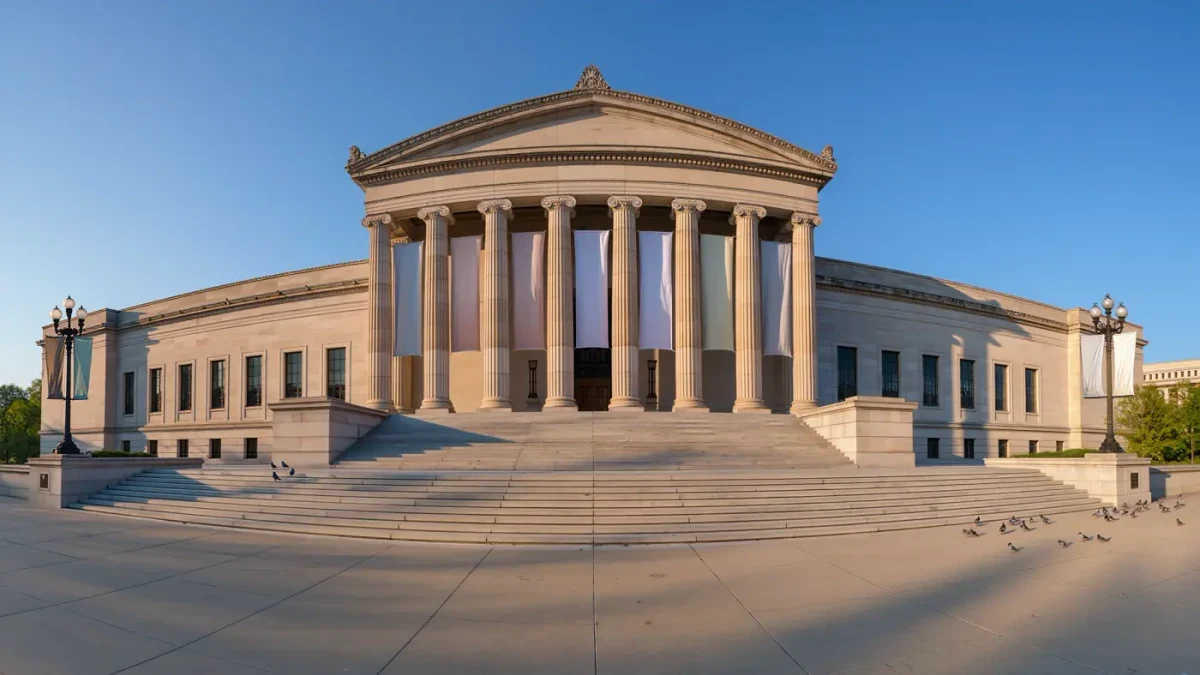
The summer 2026 museum calendar runs from a Frida Kahlo survey in Houston to 'Basquiat × Banksy' in Washington and a Pokémon fossil show in Chicago — three theories of the blockbuster, all at once.