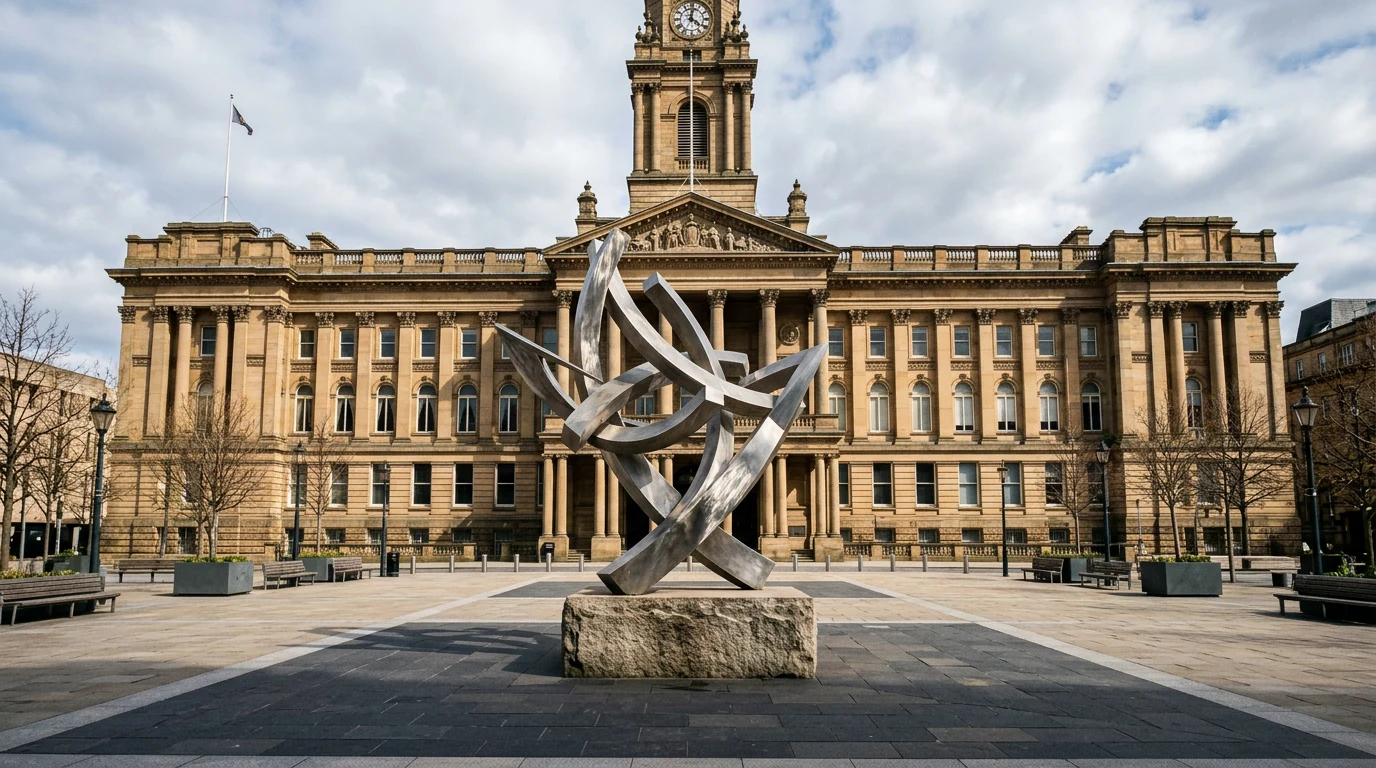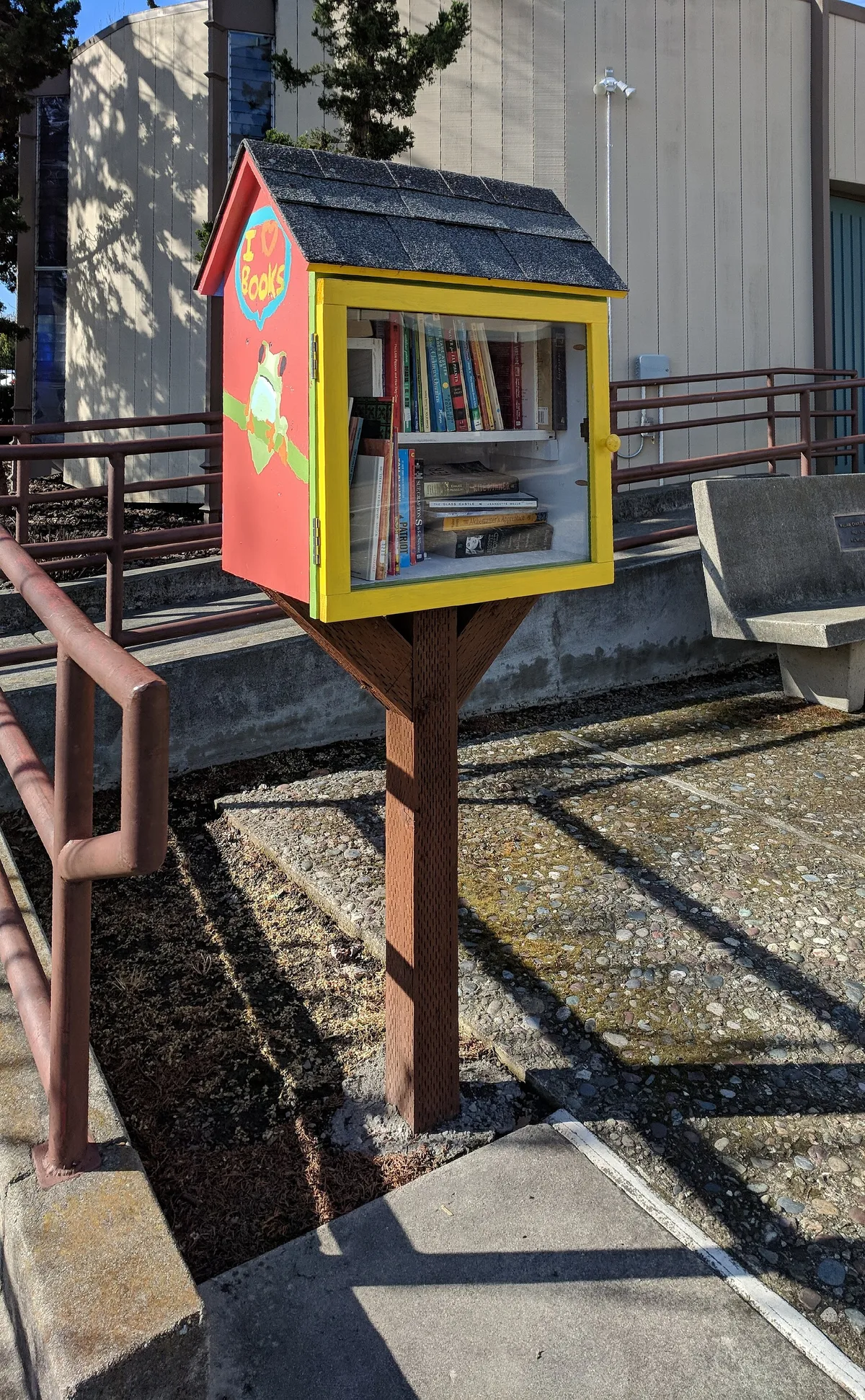
On a quiet lawn, a small wooden box stands on a post. Inside are a few dozen books and a simple rule. Take a book you want to read. Leave one someone else might enjoy.
That rule, unchanged since the first box went up, explains a lot. Little Free Library has grown from a single handmade bookcase into a worldwide network of neighborhood book exchanges. The idea keeps spreading because it costs little, needs no staff, and gives neighbors an easy way to share something they love.
One Schoolhouse Box on One Lawn
The first Little Free Library was built in 2009 by Todd Bol in Hudson, Wisconsin. Bol mounted a wooden container shaped like a one-room schoolhouse on a post and filled it with books. The project honored his late mother, a book lover and school teacher who had recently died. He shared the idea with his partner, Rick Brooks, and the two built and installed more bookhouses across the Midwestern United States. This connects to our earlier piece, Who Pays For The Sculpture Outside City Hall — One Percent Of The Building.
Bol set an early goal of 2,510 Little Libraries, a number meant to pass the count of libraries founded by Andrew Carnegie. That goal was met in 2012.
How the Network Grew
More than 150,000 public book exchanges are now registered with the organization, which says millions of books are exchanged through them each year across 115 countries. Registered boxes can appear on the organization's world map, which lists locations with GPS coordinates, and a free mobile application followed in 2022. By 2020, the boxes had even reached Antarctica.
The organization behind it formalized along the way. Little Free Library incorporated as a nonprofit in May 2012 and later earned federal recognition as a charitable organization. It has received honors from groups such as the National Book Foundation and the American Library Association for its work promoting literacy. Today the nonprofit is based in Saint Paul, Minnesota.
Take a Book, Leave a Book
The exchange itself stays deliberately simple. A passerby can take a book to read or leave one for the next visitor. Volunteer stewards build, install, and maintain the boxes. To register a box and use the brand name, stewards buy a finished box, a kit, or a charter sign. Designs range from small painted houses to one large library built to look like the time machine from Doctor Who. The organization also shares free plans, so handy readers can build a box of their own.
The model has cousins too. Little Free Pantries and Blessing Boxes, which are often kept up by churches, work the same way with food, hygiene items, and clothing, inviting people to take what they need and leave what they can.
Real Frictions, Real Growth
Spread has not always been smooth. Zoning rules have clashed with the boxes in several towns, from a Wisconsin village that ordered one removed to a Kansas city that shut down a boy's backyard library before reversing course. Communities usually work out solutions, and some cities amended their codes to allow the boxes outright.
There is fair criticism as well. Commentators have noted that the boxes cluster in wealthier neighborhoods that already have strong public libraries nearby. The movement's answer has been programs that carry boxes to places with limited book access, including an Impact Library Program and a program serving Indigenous communities. Readers following this should also see How America's Public Libraries Are Actually Funded — and Why That Explains Everything About Them.
Conclusion: Small Boxes, Durable Idea
Little Free Library keeps spreading for unglamorous reasons. A box costs little, fits on a corner, runs on trust, and turns an ordinary sidewalk into a place worth stopping. The organization counts millions of books changing hands each year. The deeper engine is older than any nonprofit: people enjoy handing a good book to a neighbor, even one they will never meet.
The next box is usually built by someone who used one. That is how a movement grows without trying.