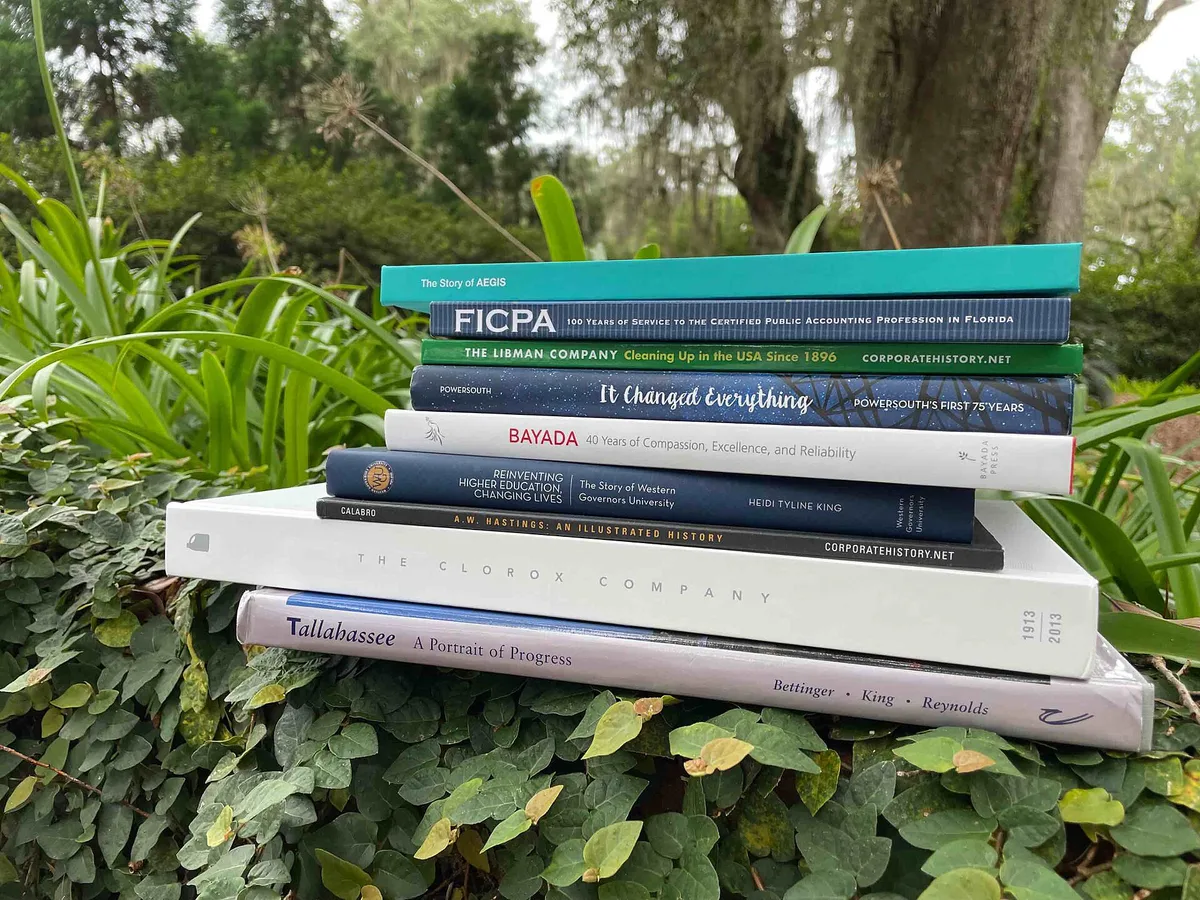
How do you start a book collection? You buy books you will read more than once, you buy them slowly, and you stop treating the shelf as a portrait of who you want to be. A home library is not a trophy case. It is a working tool, and the best ones look slightly worn.
That sounds obvious, and yet most first-time collectors do the opposite. They buy handsome editions of books they have never opened, because the shelf is supposed to say something about them. The shelf ends up saying something else entirely: that the owner was performing taste instead of practicing it.
There is an old word for this moment. According to Vocabulary.com, the earliest meaning of "beginner," from the 14th century, was "founder" — a person who establishes an institution. That is a useful way to think about it. When you start a book collection, you are not decorating a room. You are founding a small institution, with a mission statement, a budget, and a future you cannot fully predict.
This guide is that mission statement. It covers what to buy first, what to skip, how to handle condition and cost, and how to keep the collection honest as it grows. For the reading side of the equation — the part that happens away from the shelf — our piece on How To Build A Reading Habit That Actually Sticks covers the practice in detail.
What should a beginner buy first?
Buy the books you already know you will return to. If you have read a novel twice in the last five years, a copy of it belongs on your shelf. If a cookbook has a stained page from the recipe you make every winter, that is a founder of the collection. Rereading is the whole test. The case for rereading books you've already finished is not just sentimental; rereading is how a book stops being an event and becomes part of how you think.
The practical starting set is small. A few books you love and have worn out in library editions. A reference work or two in a field you actually use. Maybe one beautiful object you would rescue from a fire. That is a collection. It will grow, and it should grow unevenly, in the directions your curiosity pulls.
What you should not buy first is a canon. Complete sets of famous authors, bought unread, are the most common beginner mistake. They are heavy, expensive, and they convert a library into a monument. Canons are better borrowed than owned, at least until you know which volumes you genuinely revisit.
Why does buying for show backfire?
Because the shelf is a mirror, and it reflects use. A visitor can tell within seconds which books in a room have been opened. Spines cracked at the same pages, dust jackets removed and lost, a paperback swollen from a rainstorm — these are the marks of a real library. A wall of shrink-wrapped hardcovers says the opposite.
American culture has a long habit of confusing ownership with cultivation, and the book trade has marketed to that confusion for over a century. Our history of Self-Help Before the Shelf: How America Invented the Improvement Book traces how books became objects of self-betterment rather than tools of it. The decorative-library impulse is a cousin of that tradition: the book as a signal, not a practice. Our piece on How Taste Became a Status Symbol Again looks at the same dynamic in the present tense.
None of this means your library must be ugly. It means beauty should arrive as a byproduct of use, not as a substitute for it. A well-made edition of a book you reread is a pleasure. A well-made edition of a book you will never open is furniture.
How do you build the collection without wrecking your budget?
Buy used, and buy in person when you can. Used bookstores, library sales, and estate sales are where a collection gets its character. First editions are not the point at the beginning — reading copies are. A battered paperback of a book you love is worth more to a working library than a pristine collector's item of a book you have not read.
Set a simple rule and let it do the work: no book enters the house until you can name the reason it will be reread, reread in part, or consulted. Reference books qualify. So do books you are actively reading and expect to return to. Impulse buys are fine — some of the best collections came from them — but an impulse buy should be an experiment, not a foundation. If a book fails the test after a fair try, pass it on. A library that cannot shed books becomes a warehouse.
Condition matters, but mostly for function. Check that a used copy is complete, unmarked where marking would bother you, and bound well enough to survive a rereading. Collectors care about dust jackets and points of issue; beginners should care about whether the book will lie open on a table.
How should the collection grow over time?
Let it follow your attention, not a plan. The healthiest home libraries are accretions: a cluster of books around one obsession, then another, with the dead ends pruned. Depth beats breadth. Twenty books on a subject you care about will teach you more, and look more honest, than two hundred scattered titles chosen to look well-rounded.
Organization is part of the practice. Group by subject or by the mood they serve, whichever you will actually maintain. Leave room on every shelf. A packed shelf is a finished shelf, and a finished collection is a dead one. The gaps are an invitation.
It also helps to read slowly enough to absorb what you buy. Our argument for slow reading makes the case that speed is the enemy of retention, and a collection of unretained books is just inventory. If poetry intimidates you, How to Read Poetry Without Fear is a good door into a category beginners often skip and later treasure.
What this means for your first shelf
Our analysis comes down to three rules. Buy what you will reread. Buy slowly enough that each purchase is a decision. And let the collection embarrass you a little, because a library that only flatters its owner is not doing its job. The beginner, in the old sense, is a founder — and founders build institutions that outlive their taste, not shrines to it.
Start with five books you have already loved. Add one a month that you can defend. Prune once a year. In a decade you will have a library, and it will not look like anyone else's, which is the entire point.