Most people who fail to read more books do not lack discipline. They lack structure. A reading habit sticks when the book is easy to reach, the session is easy to start, and something outside your own willpower keeps the pages turning — a due date, a friend, a stack you actually want to finish.
The good news is that structure is cheap. A library card supplies deadlines for free. A timer supplies a finish line. A curated shelf supplies the desire. Willpower is the least reliable of the four, and the only one most people rely on.
This guide walks through the three pieces in turn: how to use library due dates as gentle pressure, how to run short reading sprints, and how to curate a shelf so the right book is always the easiest one to grab. None of it requires reading faster. If anything, the opposite — the case for reading slowly and remembering what you read is its own argument, made elsewhere in The Argument for Slow Reading.
Why does willpower fail where deadlines work?
A deadline moves the effort outside your head. When a library book is due in three weeks, the decision to read tonight has already been half-made by the loan period. You are no longer negotiating with yourself about whether you feel like reading; you are simply returning a book on time.
Libraries make this pressure nearly free. A card costs nothing in most American systems, and the loan system — borrow, renew, return — is the quietest accountability structure in cultural life. How that system is paid for, and why it survives, is its own story; How Public Libraries Are Actually Funded explains the machinery behind the free deadline.
Two practical refinements make the deadline work harder. First, borrow fewer books than you think you need — three, not ten — so the stack reads as a promise rather than a reproach. Second, put a hold on the next book in a series. The waitlist is a deadline you did not have to invent, and the arrival date creates a natural finish line for the book in your hands.
What is a reading sprint, and why does it work?
A reading sprint is a short, bounded session — fifteen or twenty-five minutes, timed, with the phone in another room. The point is not speed. The point is that starting a fifteen-minute session feels easy, and once you have started, the book usually keeps you longer than the timer does.
The sprint borrows its logic from any practice that lowers the cost of beginning. You are not committing to finishing a chapter or understanding an argument. You are committing to sitting down. The timer does the persuading; the book does the rest.
Three variations, in rising order of ambition:
- The single sprint. One timed session a day, ideally at the same time and place — after dinner, in the same chair. The repetition is the habit.
- The paired sprint. Read while something else fixed happens: the kettle boils, the laundry runs. The existing routine carries the new one.
- The social sprint. A friend reads the same book, and you compare notes weekly. This is the oldest book club mechanism, and it survives because it works.
What this means in practice: pick one variation, not all three. A habit you can keep on a bad day beats an ambitious one you keep for a week.
How should you curate the shelf?
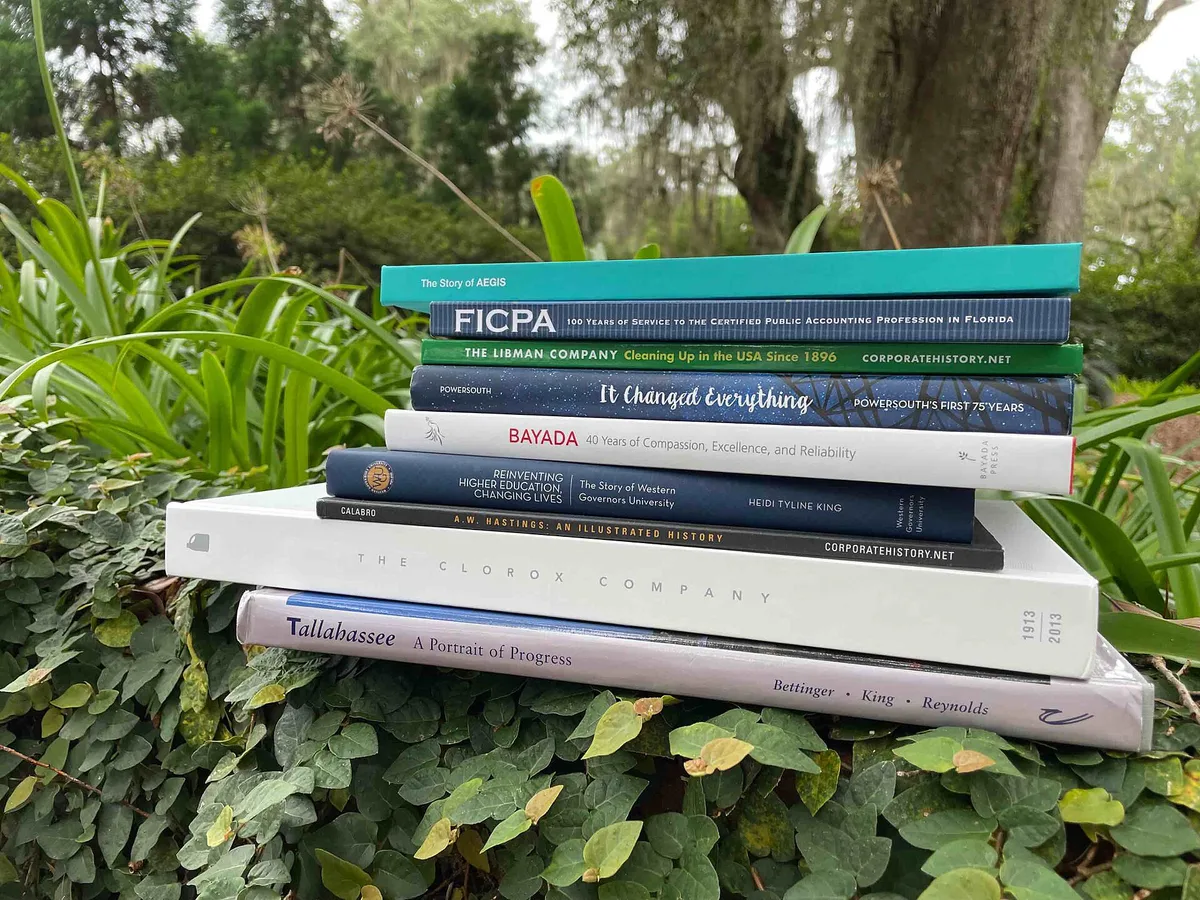
The shelf is where most reading habits quietly die. A stack of books you feel you should read — the doorstop novel, the dense history, the gift you never wanted — will lose every contest with a screen. The fix is unglamorous: keep fewer books in play, and keep only the ones you genuinely want to read this month.
Curate in three passes. First, the active shelf: two or three books, physically visible, next to where you sit. Second, the waiting shelf: everything else, out of sight, so it cannot guilt you. Third, the discard pile: books you have been avoiding for a year. Set them aside without ceremony. A book you dread is not a book; it is a chore wearing a dust jacket.
Permission to quit matters as much as permission to start. Abandoning a bad book fifty pages in is not failure — it is inventory management. The pages you save go toward a book you will actually finish, and finishing is what teaches your brain that reading pays.
There is also a case for returning to books you have already read. Rereading is not a detour from a reading habit; it can be the habit's engine, because a familiar book offers a guaranteed good session on a tired evening. The full argument lives in The Case for Rereading Books You've Already Finished.
What counts as reading, anyway?
More than you might think, and less than the purists claim. Audiobooks on a commute are reading. A graphic novel is reading. Skimming a novel you are not enjoying, then quitting it, is a reading decision — a good one. The habit you are building is the habit of showing up to books, and books arrive in many formats.
The one honest caveat: track something. A note in your phone, a card in the book's cover, a simple list of finished titles. The record is not for the count. It is proof, on the days you doubt it, that the habit exists. People who keep even a rough list tend to keep reading; the list makes the invisible visible.
Our analysis, for what it is worth: the reading-habit industry sells speed and volume, and both are beside the point. A person who reads one well-chosen book a month, on purpose, with a deadline and a timer and a shelf they trust, is a reader. A person who buys twelve books a year and finishes none is a shopper. The difference is not talent. It is structure.
Where the habit meets the wider culture
There is a reason this guide leans on libraries rather than buying strategies. The public library is the only cultural institution built specifically to remove the cost of trying a book. It hands you a deadline, a selection, and a return date, and asks nothing back but the book. Building a reading habit inside that system is not just cheaper; it connects your private habit to a shared civic one, which is a decent reason to keep both alive. The broader arguments about taste, attention, and who decides what is worth reading run through everything this publication covers in ideas — and the habit, once it sticks, is how you join the argument instead of watching it.