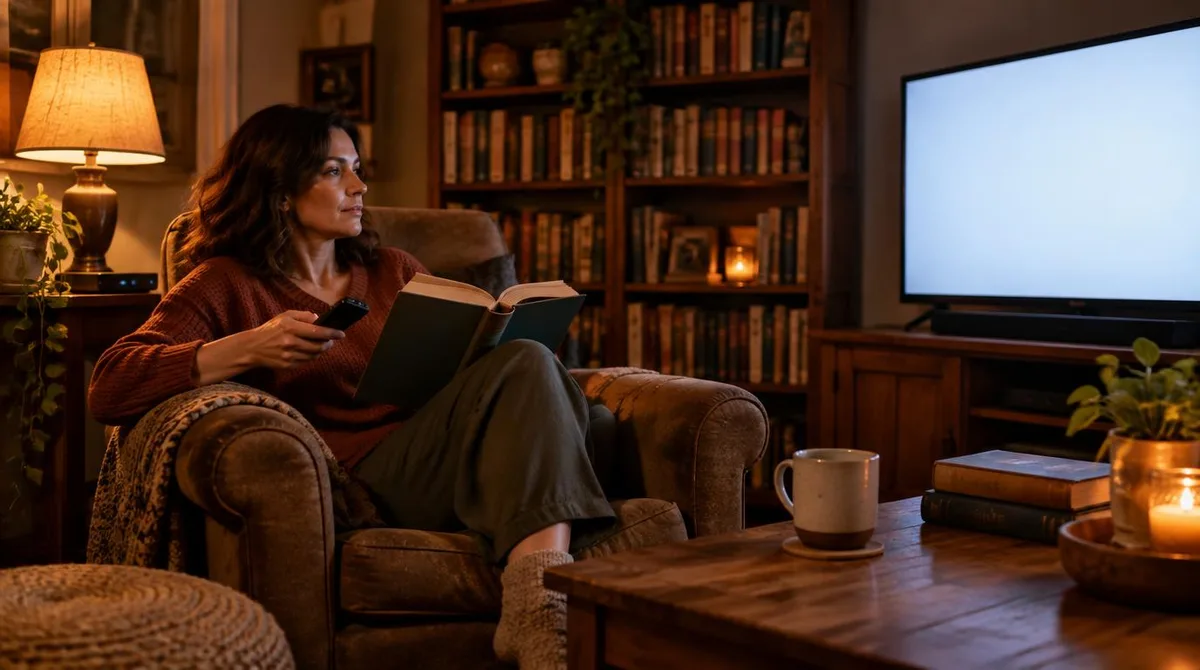
Streaming did not kill reading. It gave reading a new front door. A hit show or film lands on a service, tens of millions of people watch it over a weekend, and a share of them go looking for the book it came from — sometimes a book that had been sitting quietly on shelves for decades. That is the screen-to-page pipeline, and it is now one of the most reliable engines in American book culture.
The mechanism is simple. Streaming platforms run on recognizable titles, and the most recognizable titles are often adaptations. PCMag's rundown of the top video streaming services notes that Netflix's library leans heavily on original programming, with titles like Stranger Things, Wednesday, and Orange Is the New Black anchoring its catalog — and several of those grow out of books, comics, or memoirs. According to PCMag, Netflix's constantly growing slate of premier original programming is what it counts as the service's main advantage over rivals. When an original is also an adaptation, the audience arrives pre-sold on the story, and curiosity about the source material follows.
What this means for readers is that the old gatekeeping order has flipped. For most of the twentieth century, a book's path to the screen ran through a slow studio pipeline, and the adaptation was the endpoint. Now the screen is often the starting point, and the book is the encore. Publishers have learned to plan for it: a streaming deal is no longer just a payday, it is a forecast of a second sales life.
Why do adaptations send readers back to books?
The pull is partly about completeness. Streaming shows are built for anticipation — weekly releases, cliffhangers, seasons that end unresolved. A viewer who cannot wait, or who wants what the screen left out, has one obvious next move. The book promises the full version: interior monologue, subplots cut for time, an ending the show has not reached yet.
It is also about ownership of the conversation. Book clubs, group chats, and online discussion all move faster when everyone has read the source. Watching an adaptation without knowing the book can feel like arriving at a party mid-joke. That social pressure, more than any marketing campaign, is what converts a viewer into a reader.
The platforms themselves are built to feed this loop. JustWatch, a service that tracks where movies and shows are streaming, organizes its discovery pages around what is trending and what is new, so a buzzy adaptation stays visible long enough for viewers to keep encountering it — and, eventually, to seek out the book behind it.
How streaming changed what publishers bet on
Before streaming, publishers could rarely predict which backlist title would suddenly matter again. A paperback might sell steadily for years, then spike when a film adaptation was announced. The timing was out of everyone's hands.
Streaming compressed that timeline. Services need a constant supply of new releases, and adaptations of existing books are cheaper and safer bets than wholly original scripts. That has made book rights a hot acquisition market, and it has changed what agents and editors look for: stories with clear hooks, strong visual worlds, and room for multiple seasons. The result is a publishing culture that now thinks in two media at once.
It has also changed the afterlife of books that flopped on arrival. A novel that sold modestly in hardcover can find its audience years later through a streaming adaptation, and the paperback reissue that follows often outsells the original run. The backlist has become a treasure chest that platforms keep reopening.
What this means for libraries and bookstores
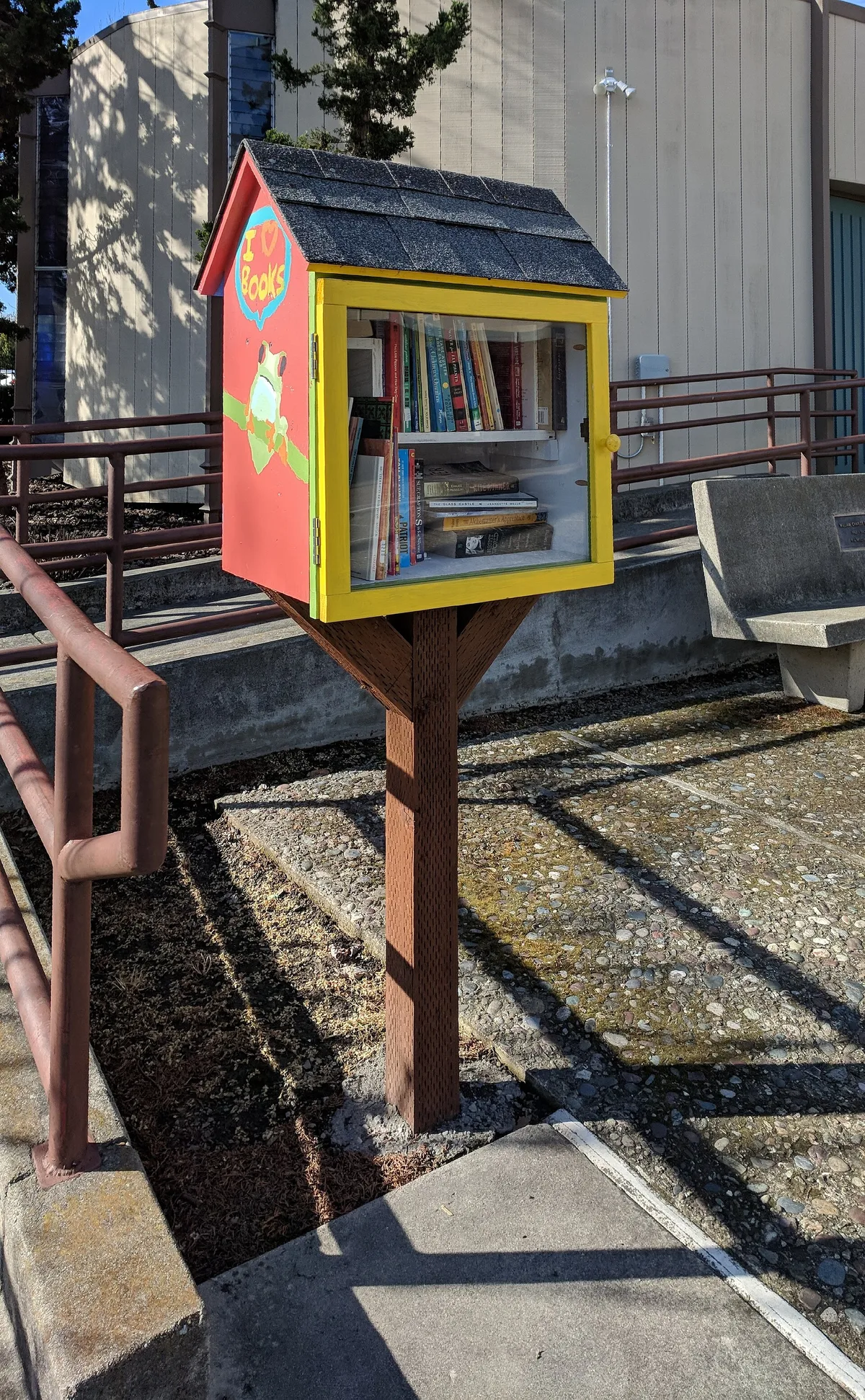
The pipeline runs through public institutions, not just cash registers. When an adaptation hits, library hold lists for the source book stretch for months, and librarians scramble to add copies. That surge is one of the most visible ways streaming feeds reading, and it matters because libraries serve readers who never buy books at all. The funding pressures behind those hold lists are their own story — How America's Public Libraries Are Actually Funded — and Why That Explains Everything About Them explains why a viral adaptation can strain a budget that was already tight. We covered a connected angle in How America's Public Libraries Are Actually Funded — and Why That Explains Everything About Them.
Independent bookstores have learned to ride the wave too. A display table built around a streaming hit can move copies for weeks, and booksellers have become skilled at pairing the adaptation with the author's other work, turning one viral moment into a broader reading relationship. The economics behind that counter are covered in The Quiet Economics of the Independent Bookstore.
Does streaming reading change how we read?
Here is the fair worry: if people come to books through screens, do they read differently — skimming, comparing, grading the adaptation against the original? Probably some of that is real. The reader who arrives via a show often reads with the adaptation in mind, noticing what was changed and why. That is a different kind of attention than the one a reader brings to a book discovered on its own terms.
But different is not worse. Adaptation-driven readers ask sharp questions about point of view, structure, and why a screenwriter cut a character. Those are the same questions literary critics ask. And the reading habit itself, once started, rarely stops at one book. A reader who picks up a novel because of a show tends to keep going — to the author's backlist, to similar writers, eventually to books with no screen version at all.
Our analysis is that the pipeline's net effect has been additive. Streaming did not replace reading time with screen time so much as reroute part of the audience through the screen and back to the page. The strongest version of the opposing view — that fast, binge-shaped viewing habits produce impatient readers — deserves its say, and there is something to it. But the observable pattern is that adaptations keep putting physical books into hands that would not have reached for them otherwise.
What the screen-to-page pipeline tells us about American culture
The deeper story is about how taste now forms. Americans used to discover stories in one medium at a time: the book first, or the broadcast first, with the other medium following years later. Streaming collapsed that sequence into a loop, where story and source circulate together and each feeds the other. The book is no longer upstream of the culture; it is inside the current.
That loop has winners and losers. Authors gain a second life for their work and a bigger audience, but they also gain pressure to write stories that can survive a pitch meeting. Readers gain more ways in, but also more reasons to read what the algorithm is already pushing. The open question — the one this evidence cannot settle — is whether the loop broadens American reading or narrows it toward whatever is easiest to adapt. What it has clearly established is that the screen and the page are now partners, and the reading boom that follows every big adaptation is not an accident. It is the design.