Reporting on how Americans actually live alongside one another, from congregations and unions to block associations and school boards. The section documents which shared institutions are holding, which are emptying out, and what replaces them. For readers interested in social change described through people rather than statistics alone.
Reporting on how Americans actually live alongside one another, from congregations and unions to block associations and school boards. The section documents which shared institutions are holding, which are emptying out, and what replaces them. For readers interested in social change described through people rather than statistics alone.
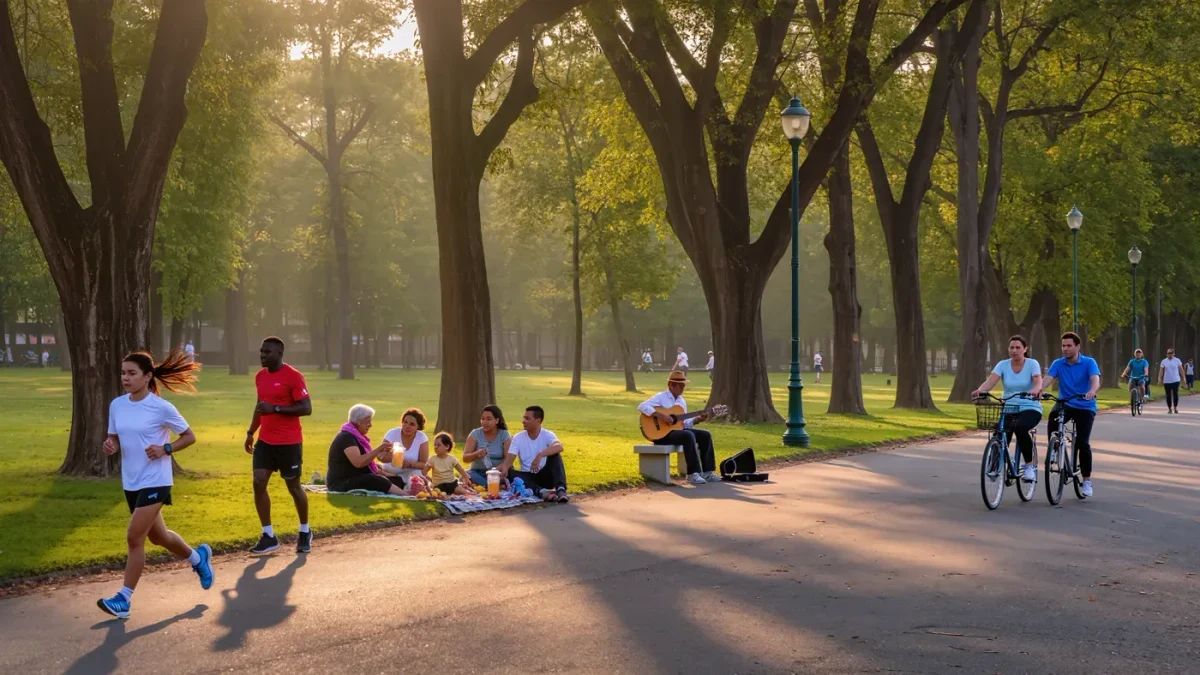
The same institutions get rediscovered roughly once a generation — Olmsted's heirs in the 1970s, inner-city parks in the 2000s, the whole system in 2020 — and each rediscovery says more about the country than the parks.
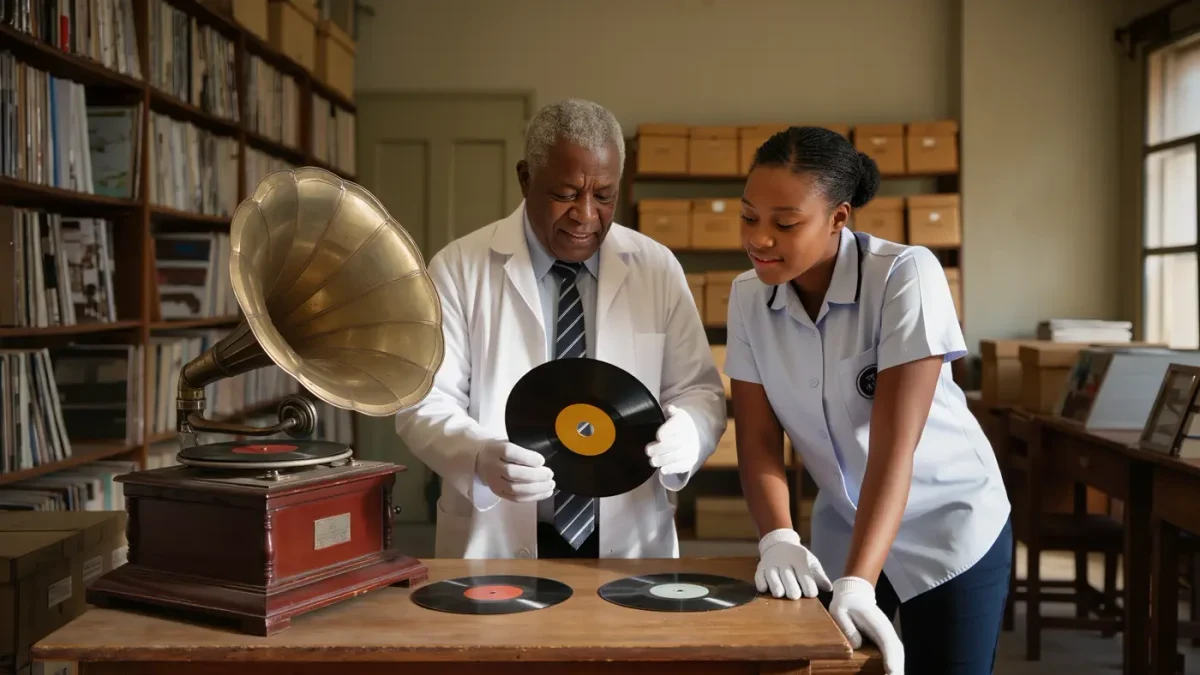
Every January first, another batch of American recordings slips into the public domain — and the fight over who may use the century-old heart of American popular music gets a little stranger.
After decades of obituaries, the small-town Main Street is filling back up, and the reasons have less to do with nostalgia than with economics finally cooperating.
What began as a parlor ritual became a publishing supply chain, with celebrities, influencers, and bookstore chains each taking a cut of the discussion.
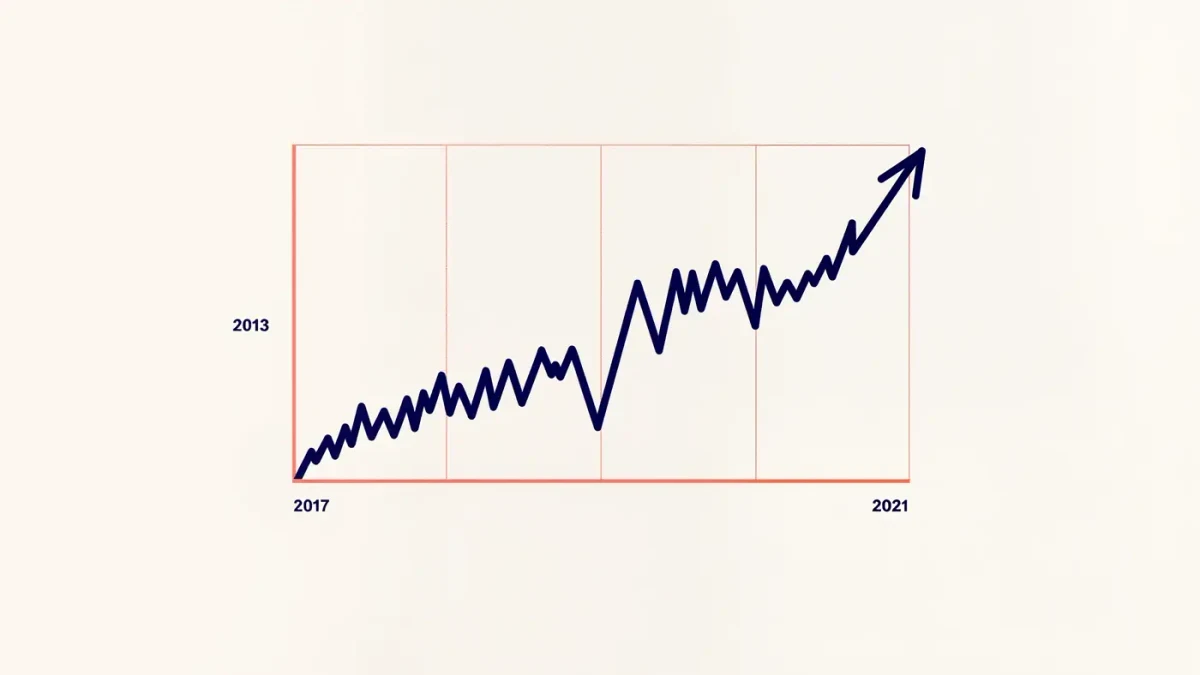
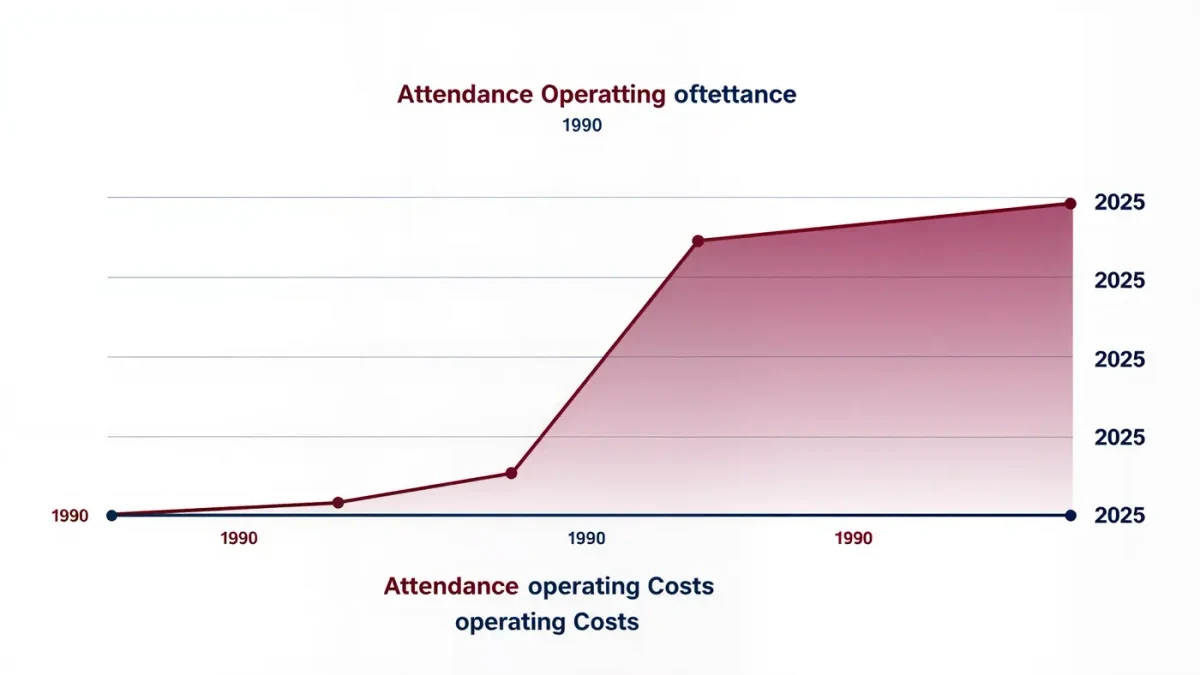
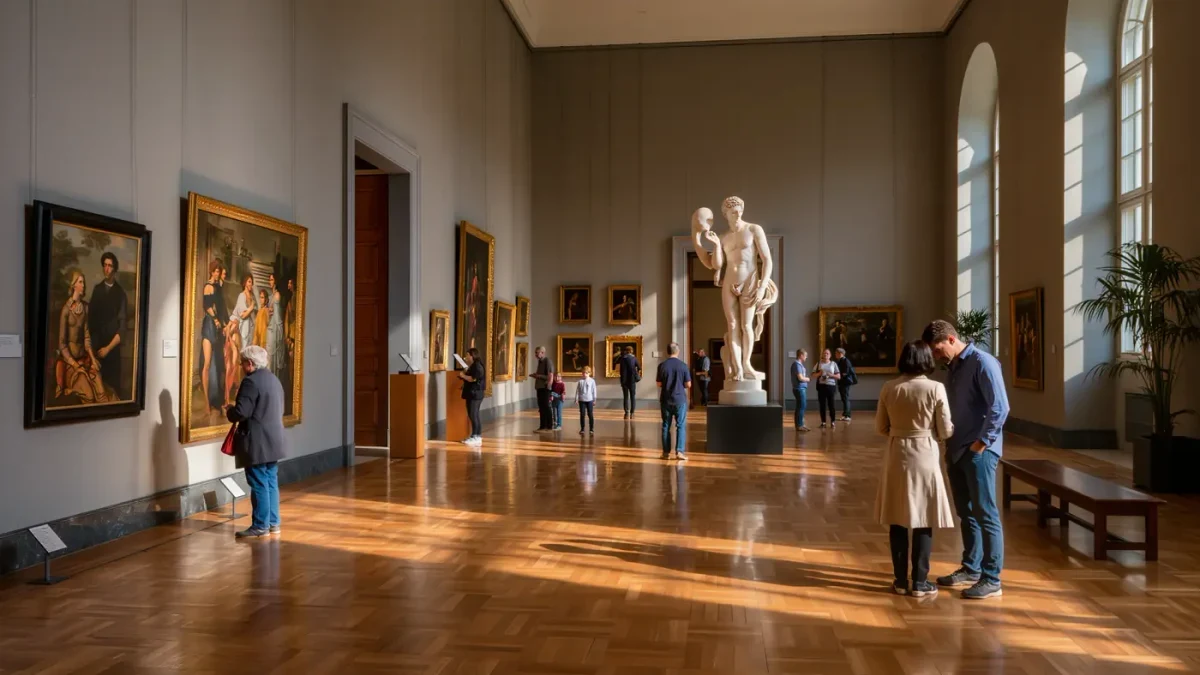
The National Endowment for the Arts has been counting museum visitors for four decades, and the answer is more complicated, and more gray-haired, than the brochure suggests.