Topic
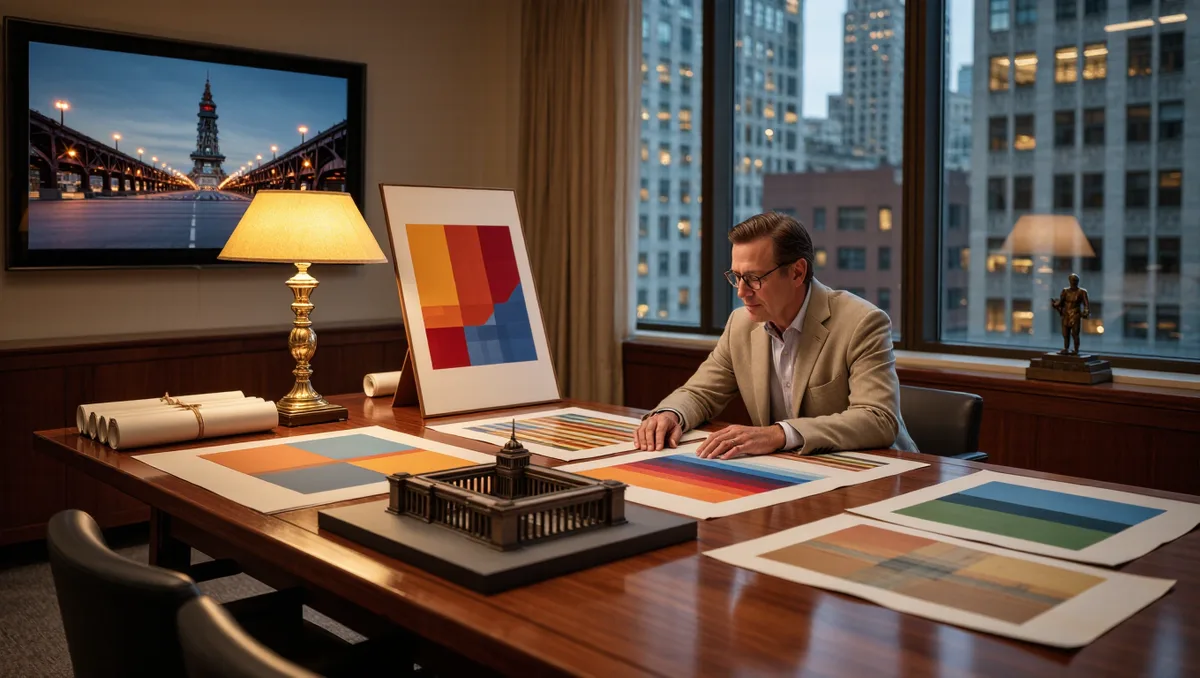
Why Public Art Divides Cities — And Delights Them
Murals and monuments sit where everyone has to look. That is the whole problem, and the whole point.
Murals and monuments sit where everyone has to look. That is the whole problem, and the whole point.

A beginner's guide to building a home library you will actually read, reread, and lend.
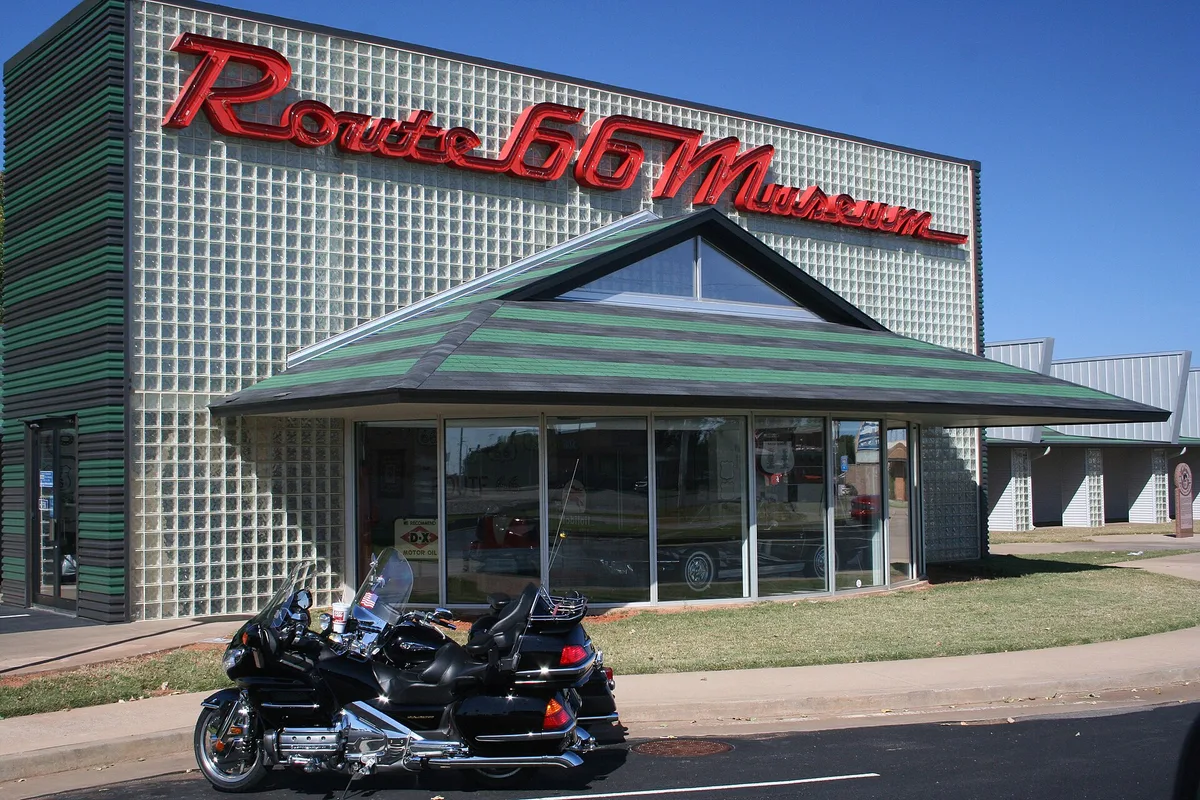
Assembled from existing roads in 1926 and retired in 1985, Route 66 carried Dust Bowl families west and left behind motels, songs, and a scenic byway.
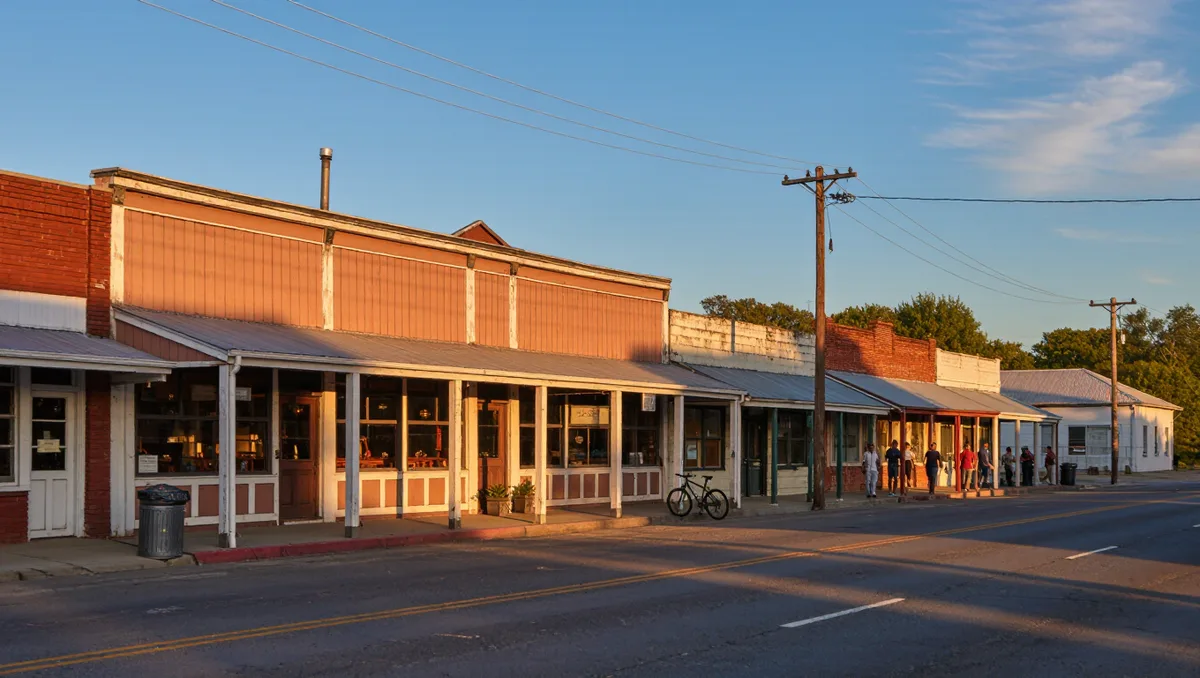
A third place is social ground that is neither home nor work, a term Ray Oldenburg fixed in his 1989 book The Great Good Place.
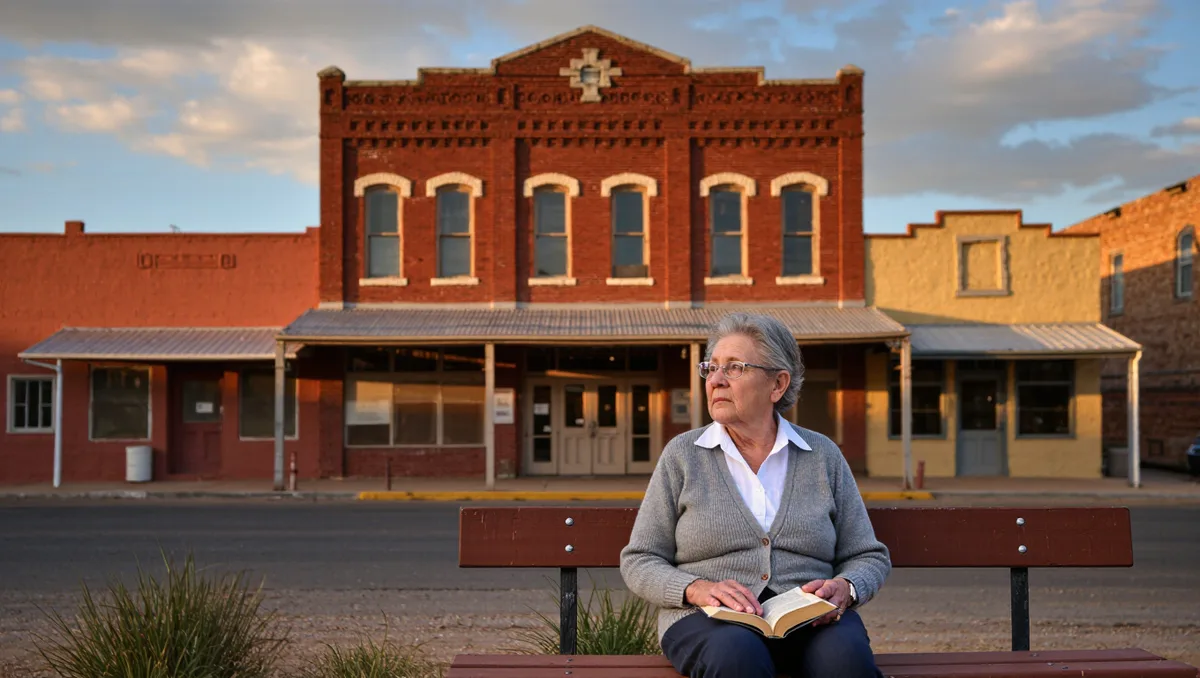
A prize sticker sells books. What it does not do is tell you which books will still be read in twenty years.

Reading poetry without fear is a habit rather than a talent: read aloud, skip what resists, and let April carry the start.
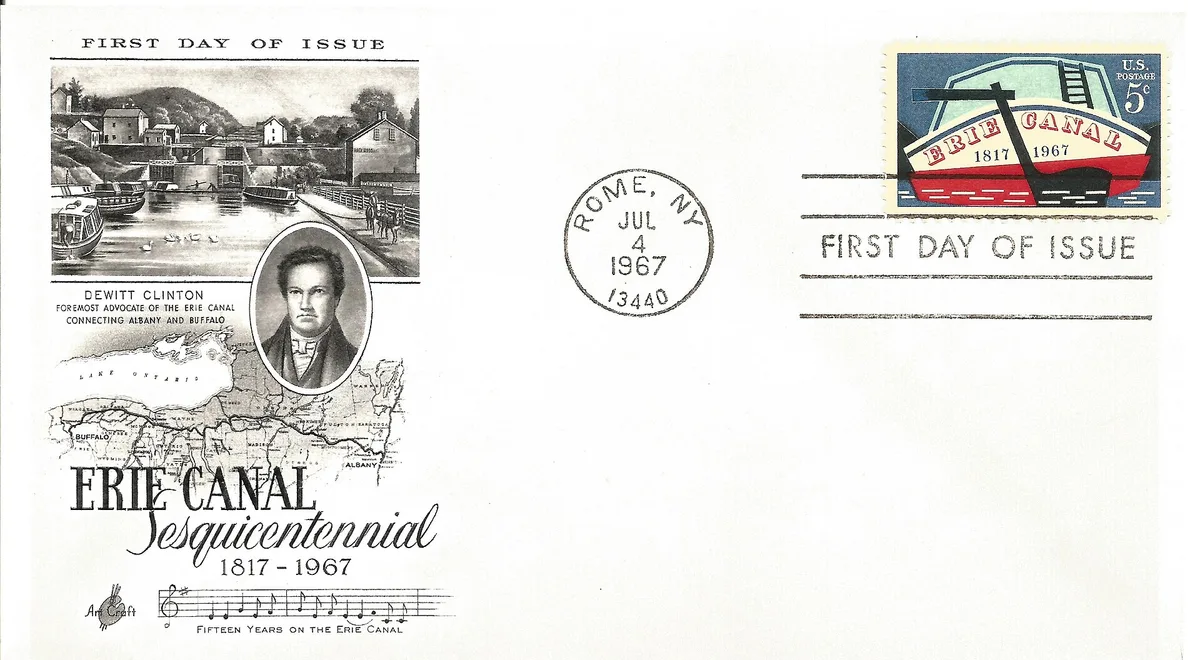
Opened on October 26, 1825, the 363-mile Erie Canal out-earned New York State's construction debt within a year and made New York City the country's commercial capital.
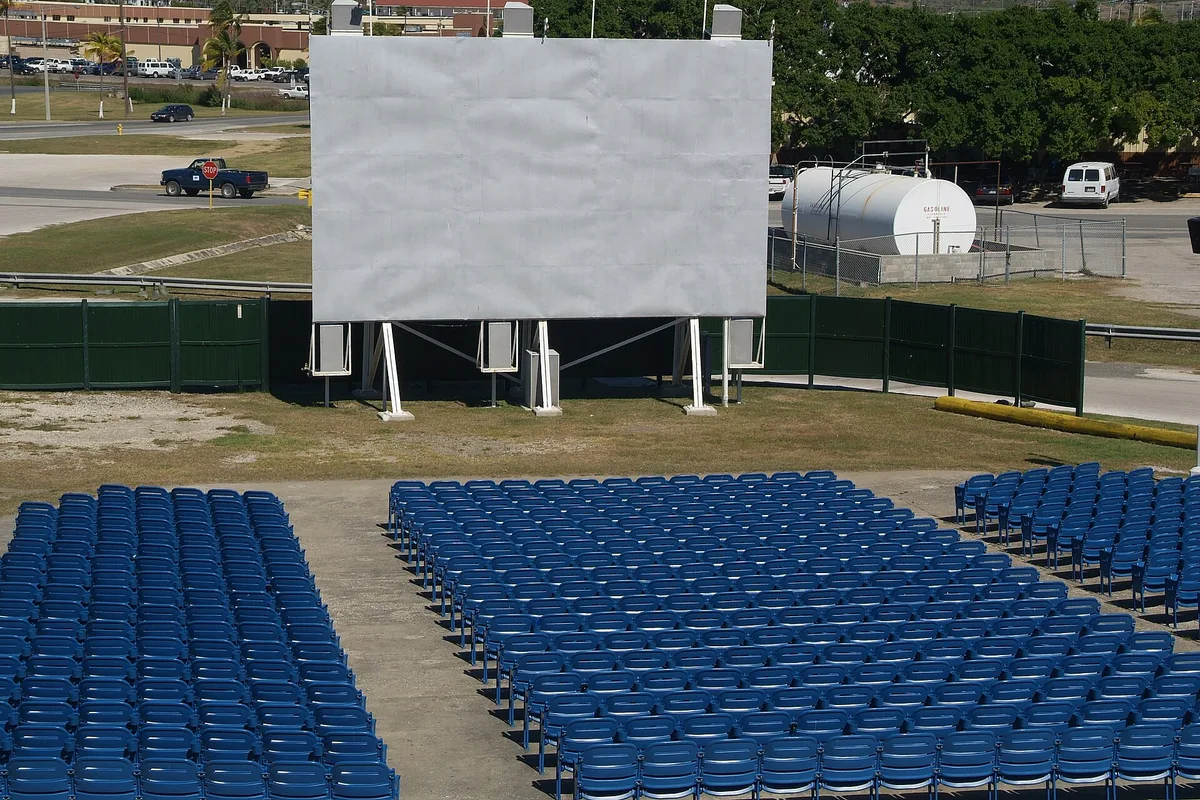
Single-screen movie theaters once anchored Main Streets across America. Multiplexes, digital projection, and streaming changed the business, and old theaters found new jobs.
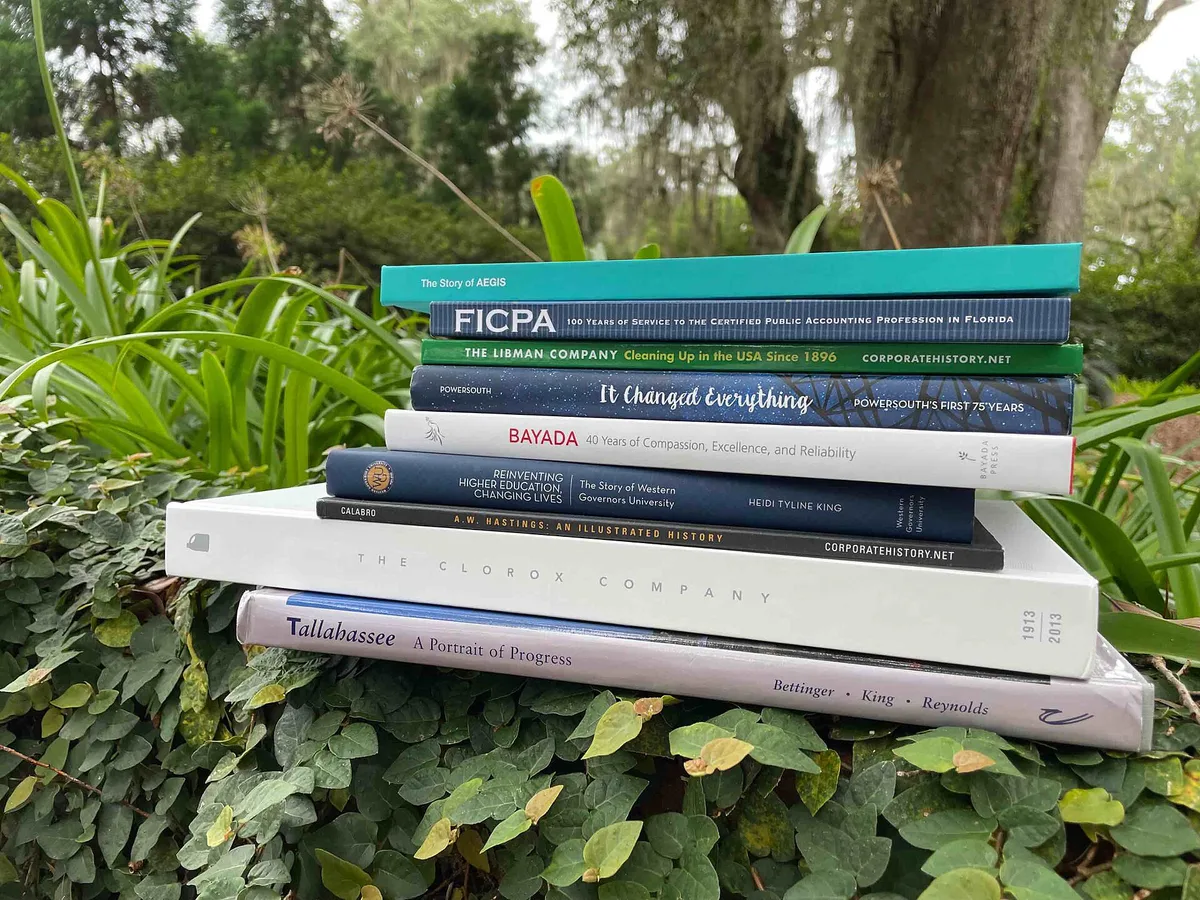
Long before paperbacks, Americans were writing advice books. From Franklin's almanack to Dale Carnegie, the history of self-help books runs deeper than you think.
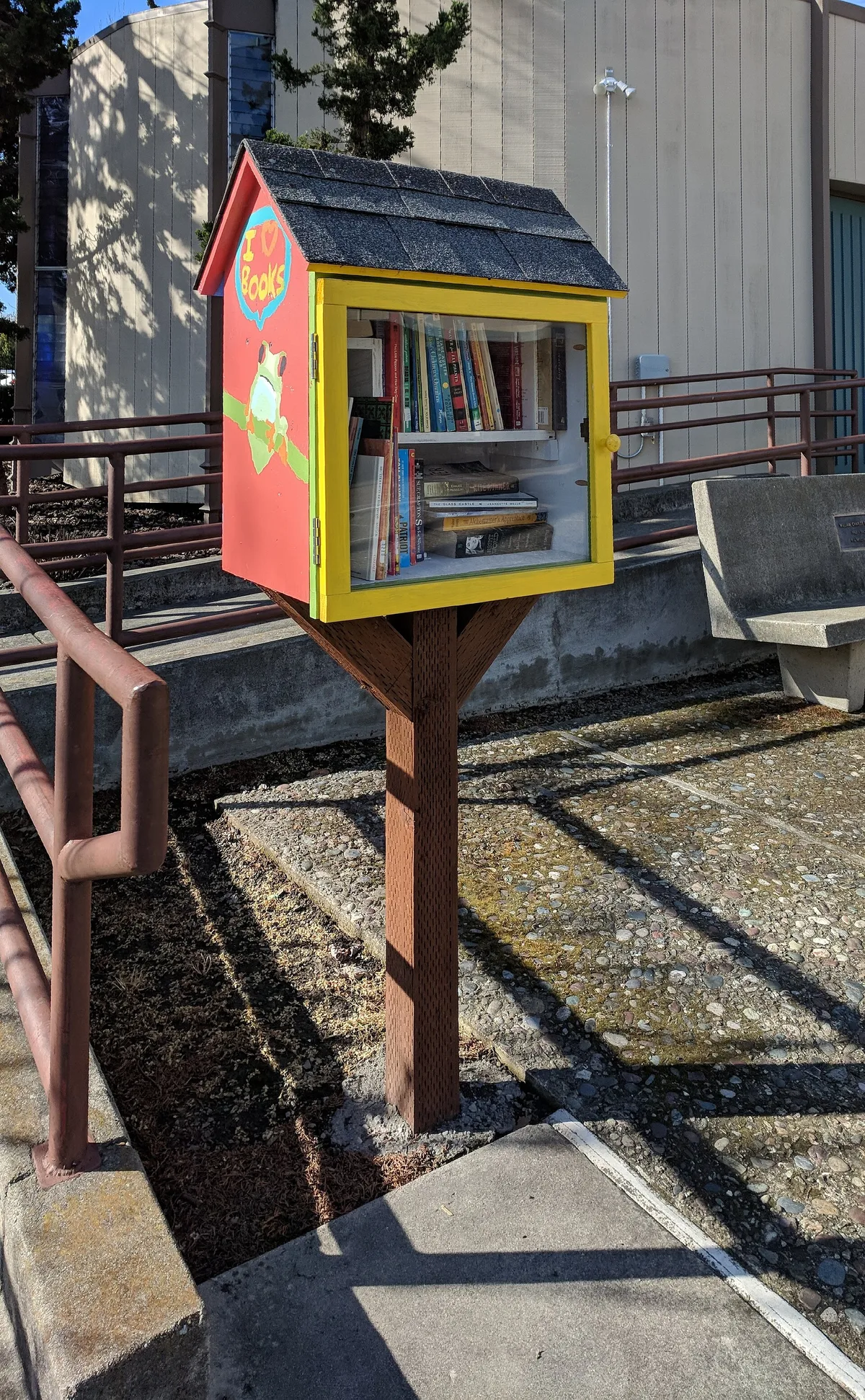
Little Free Library began with one handmade box on a lawn in Wisconsin. Today millions of books change hands each year through a worldwide network of small public bookcases.