On January 1, 2026, sound recordings from 1925 entered the public domain in the United States, joining the earlier annual waves created by the Music Modernization Act of 2018. That means the legal right to control a century-old performance now often belongs to no one — while the underlying composition of the same song may still belong to somebody. The American Songbook, the body of standards from roughly the 1920s through the 1950s, is a patchwork of expired, transferred and contested rights rather than a catalog anyone owns outright.
What is the American Songbook, legally speaking?
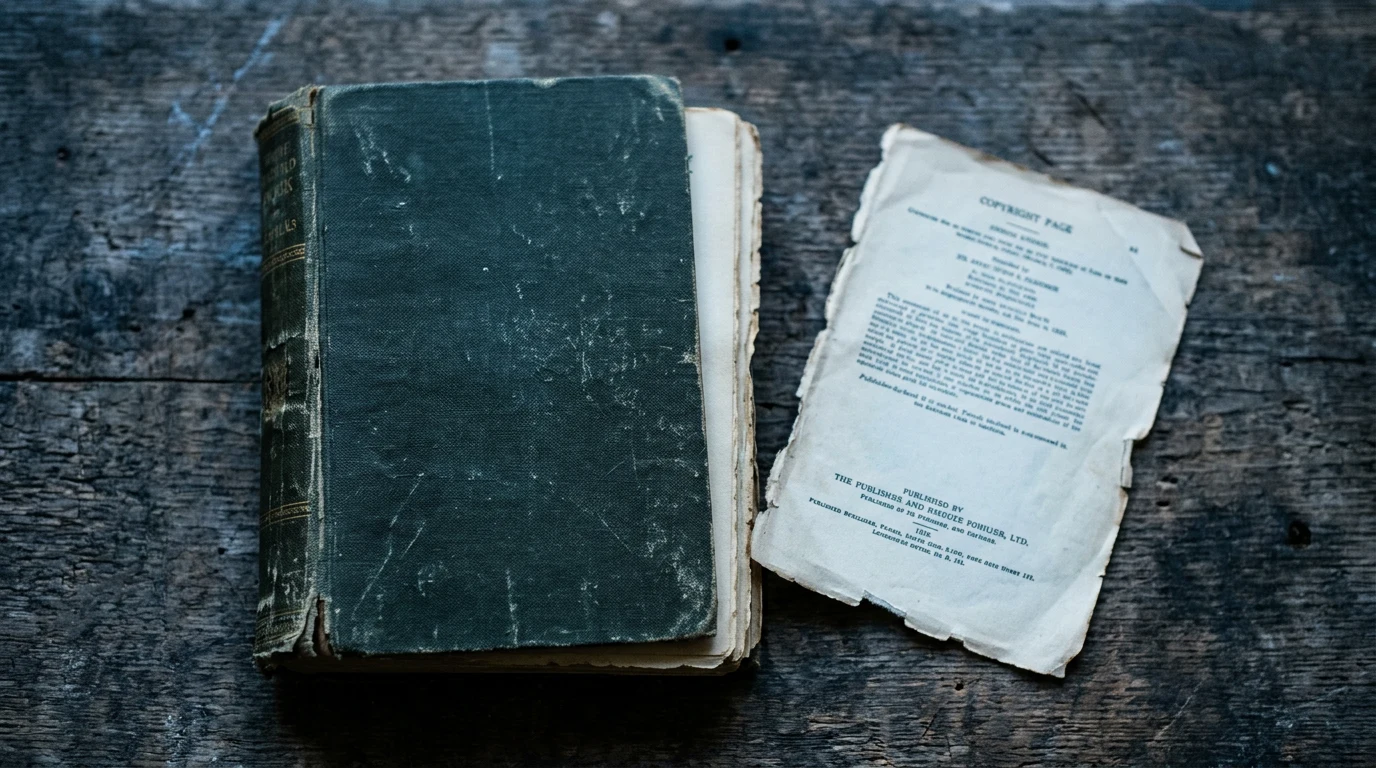
Nothing, officially — the term is a critic's coinage, not a legal category. It loosely covers the popular standards of Irving Berlin, George and Ira Gershwin, Cole Porter, Duke Ellington and their contemporaries. Legally, every song splits into two copyrights: the composition (the words and music, held by publishers) and the sound recording (a specific performance, held by labels). The two can expire at different times, change owners separately, and be licensed under different rules. A 1927 Gershwin recording can be public domain while the 1924 composition behind it is not.
How did recordings finally enter the public domain?
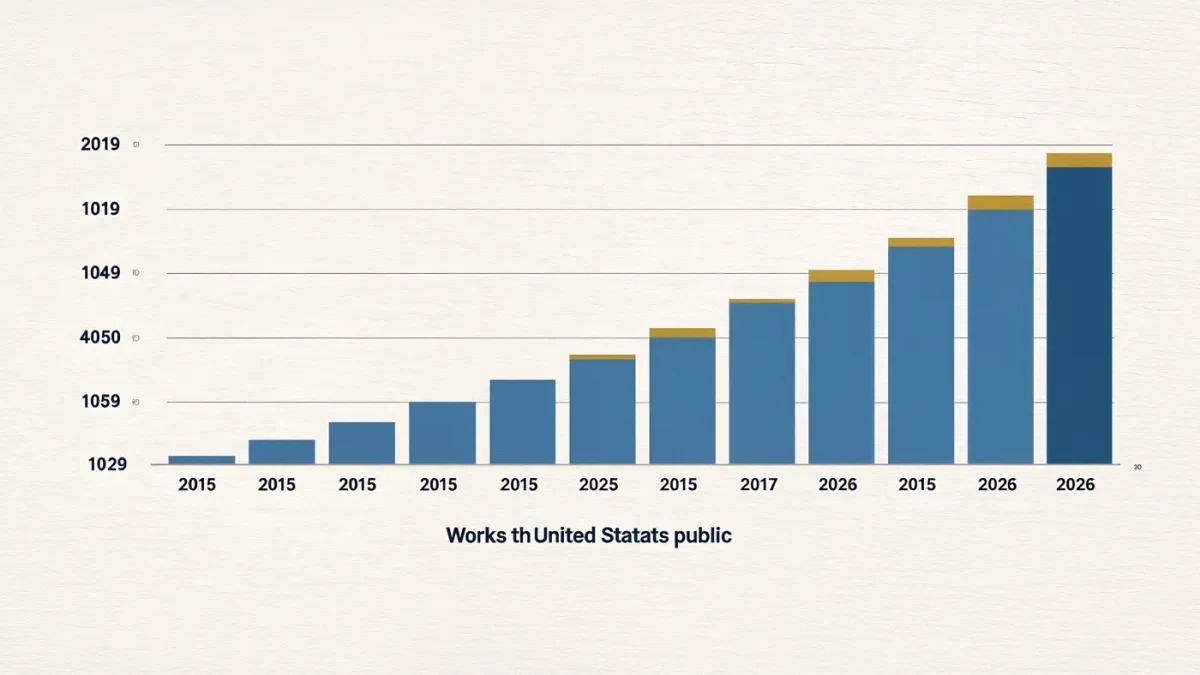
Through an accident of history, corrected late. Before 1972, federal copyright did not cover sound recordings at all; they lived under a confusing mix of state law. The Music Modernization Act of 2018 finally brought pre-1972 recordings under federal copyright — with a term ending for 1925 recordings on January 1, 2026, and rolling annual releases thereafter, as tracked by Duke University's Center for the Study of the Public Domain. Recordings from before 1923 had already become free in 2022 under the same schedule. Compositions, governed by older law, mostly expired earlier.
So is Gershwin free to use now?
Sometimes the recording is free and the song is not. Take a standard like Rhapsody in Blue, composed in 1924: the composition entered the American public domain on January 1, 2020, ninety-five years after publication. But performances recorded later remain under the labels' control for their own terms. The practical rule for anyone pressing a record or syncing a track: clear both layers, and check each one's date. Duke's public-domain trackers, the Library of Congress's National Jukebox and the Internet Archive's Great 78 Project have made the ownership map searchable for the first time.
Who still profits from century-old songs?
Publishers, estates and — increasingly — investment funds. Music publishing catalogs have become assets: companies such as Concord and Hipgnosis spent the early 2020s buying catalogs for reported nine-figure sums, gambling that streaming sync income from old standards will outlast the copyright clock. An estate can also trademark a writer's name, control archival releases, and administer the arrangement copyrights that arrangers filed on their own versions of a standard. The strongest version of the industry's case: someone has to maintain, market and license this music, and no one maintains a song out of charity.
What happens when a song becomes everyone's?
Cover versions multiply, prices fall, and the song migrates into new contexts. Public-domain status is why multiple complete Gershwin songbooks, countless Ellington reissues and low-cost jazz compilations exist side by side: once the rights lapse, a small label can do what only a major could afford before. Critics of endless term extension — the United States retroactively lengthened terms in 1976 and again in 1998, the latter nicknamed the Mickey Mouse Protection Act — argue that each extension froze a decade of culture to protect a handful of valuable properties. The counter-argument, that long terms fund the preservation of everything else, has weakened as the internet made distribution free.
Where does the Songbook go from here?
Down the calendar. Every January until the early 2030s releases another year of recordings — 1926 in 2027, and so on — steadily dissolving the labels' exclusive hold on the beginnings of American recorded sound. What remains controllable is the performing machinery: the orchestras, the arrangements, the names, the brands. The songs themselves are becoming what folk songs were a century ago: common property, sung by whoever wants them, with the money made around the music rather than from owning it.
How do you check whether a recording is free?
Start with the two dates: when the composition was published and when the recording was made. The Library of Congress National Jukebox, which streams early Victor and Columbia recordings cleared for public use, is a reliable first stop; Duke's Public Domain Day pages list each January's new releases by year of creation. For anything commercial, the U.S. Copyright Office's records and a rights-clearance specialist remain the safe route, because a 1925 recording can sit inside a later compilation with its own layer of protection. The general rule of thumb is disarmingly simple: recordings made in or before 1925 are free as of 2026, and each January releases one more year.
What about songs that were never registered?
A surprising number of early standards drifted into the public domain by paperwork rather than time. Under the 1909 Copyright Act, works had to be registered and renewed on schedule; songs whose owners missed renewal — and researchers at the University of Michigan's copyright-renewal records have documented thousands — fell out of protection decades early. Courts confirmed the principle in cases involving songs once assumed to be protected, most famously the Happy Birthday litigation, settled in 2015, which put the world's most valuable birthday song into the public domain. The lesson for the Songbook is that ownership has always been messier than the labels implied, and the paper trail — not the myth — decides.
Does anyone still write standards?
The pipeline that produced the Songbook — publishers on Tin Pan Alley and Brill Building floors feeding professional singers through radio and film — dissolved by the 1970s, but the repertoire keeps growing from unexpected directions. Jazz musicians adopted Beatles and Stevie Wonder tunes decades ago; Broadway revivals and jazz-standards programs at Lincoln Center keep arranging newer pop into the old forms; and every January's public-domain release gives arrangers freer material. The Songbook was never a fixed list. It is a working set of songs good enough to survive being rearranged, and copyright law merely decides who gets paid while that survival happens.