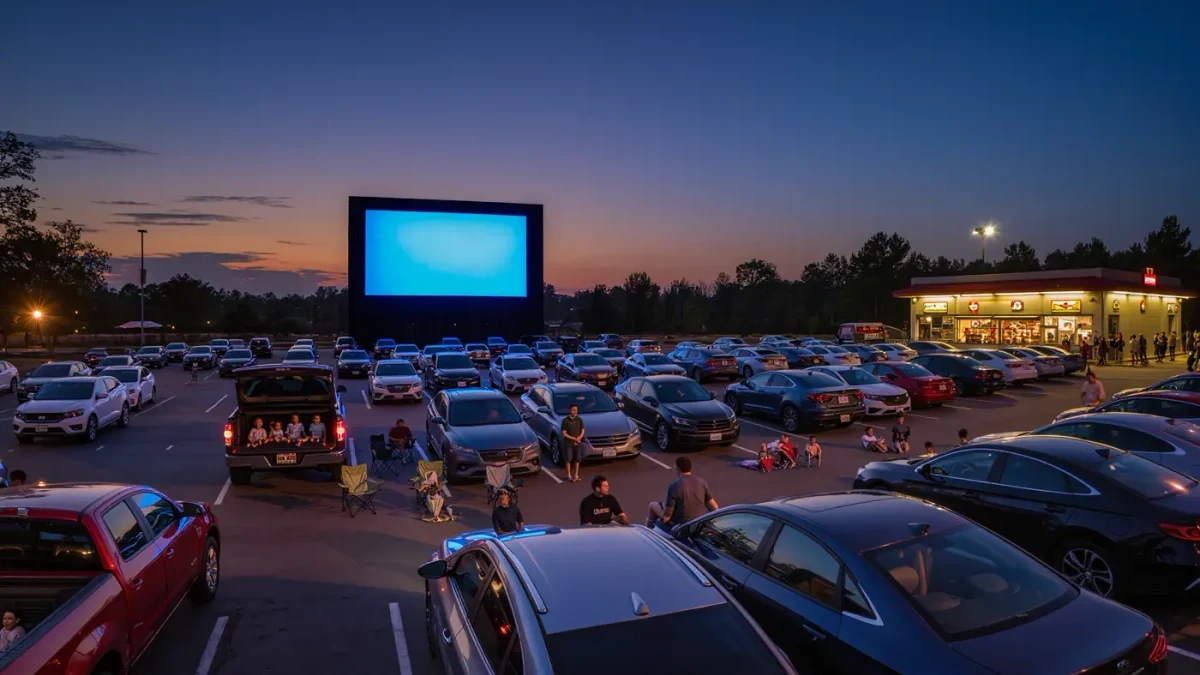
History
How Drive-In Theaters Conquered America and Vanished
A Camden parking lot experiment from 1933 grew into more than 4,000 outdoor screens by the late 1950s, then melted down to a few hundred survivors, most of them beloved.
American history examined through archives, monuments, correspondence and the movements that textbooks compress into a sentence. Each piece explains how a past decision still shapes an argument being had today. Written for readers who want historical detail rather than a moral delivered in advance.
A Camden parking lot experiment from 1933 grew into more than 4,000 outdoor screens by the late 1950s, then melted down to a few hundred survivors, most of them beloved.
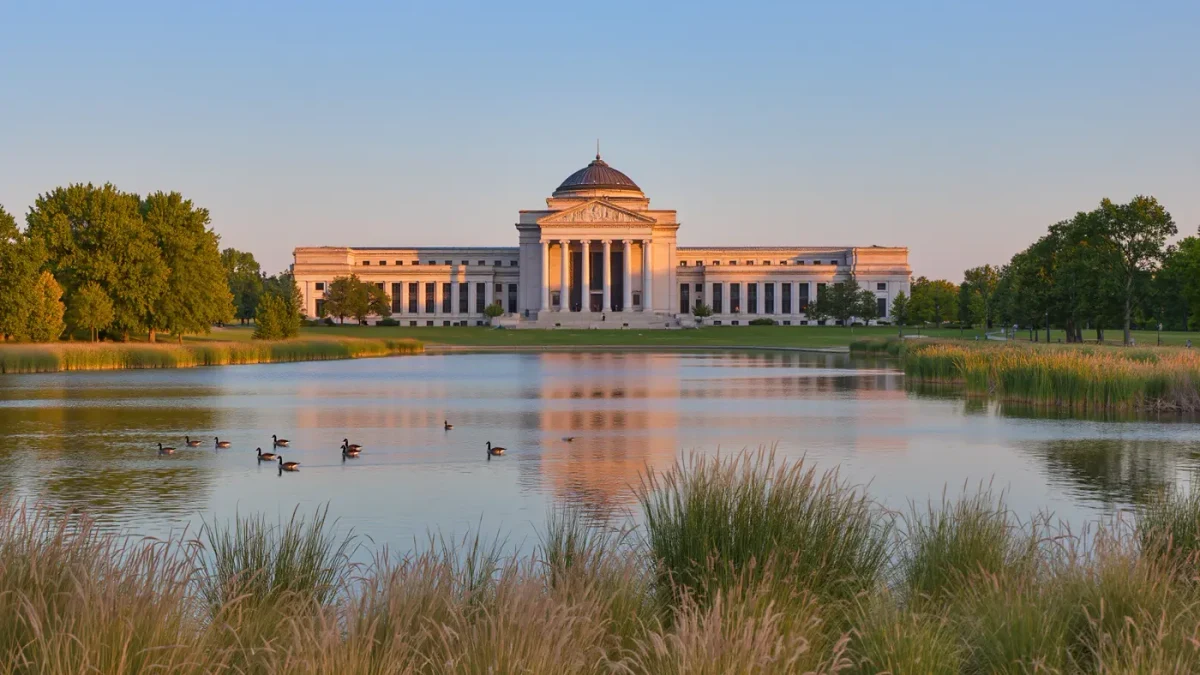
Chicago 1893 and New York 1939 sold two different futures to two generations of Americans, and both futures, remarkably, arrived.
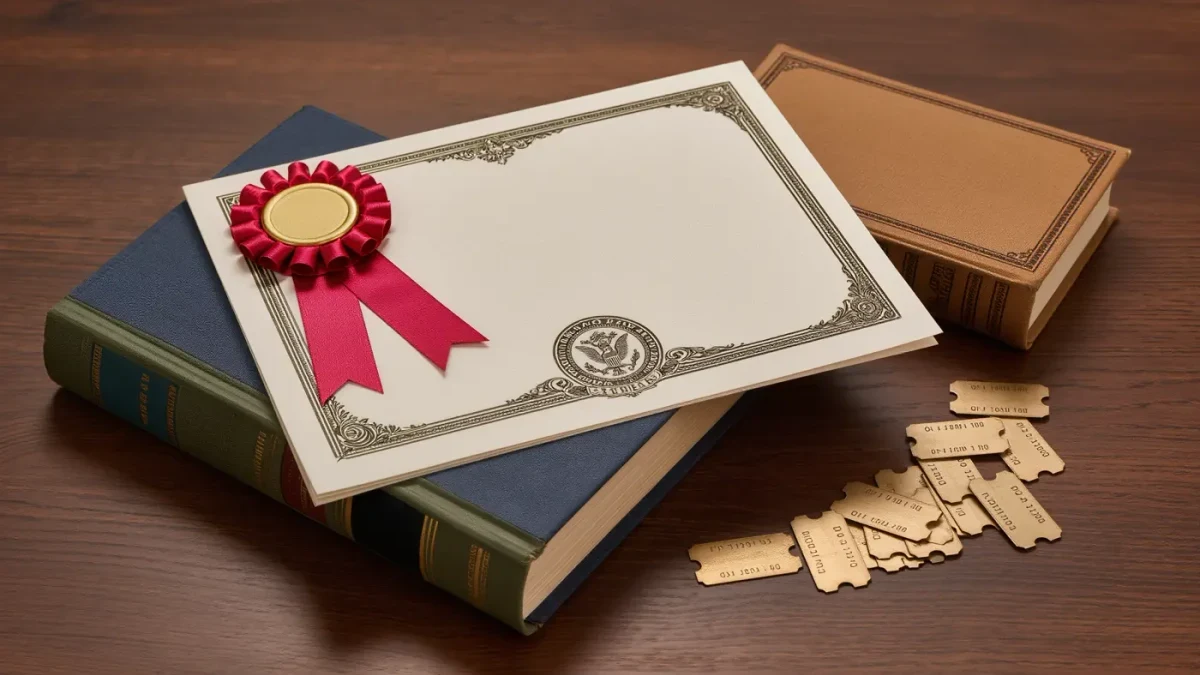
For half a century, an educational summer camp on a lake in western New York grew into a national habit of tents, lecturers, and self-improvement that reached thousands of towns a year.
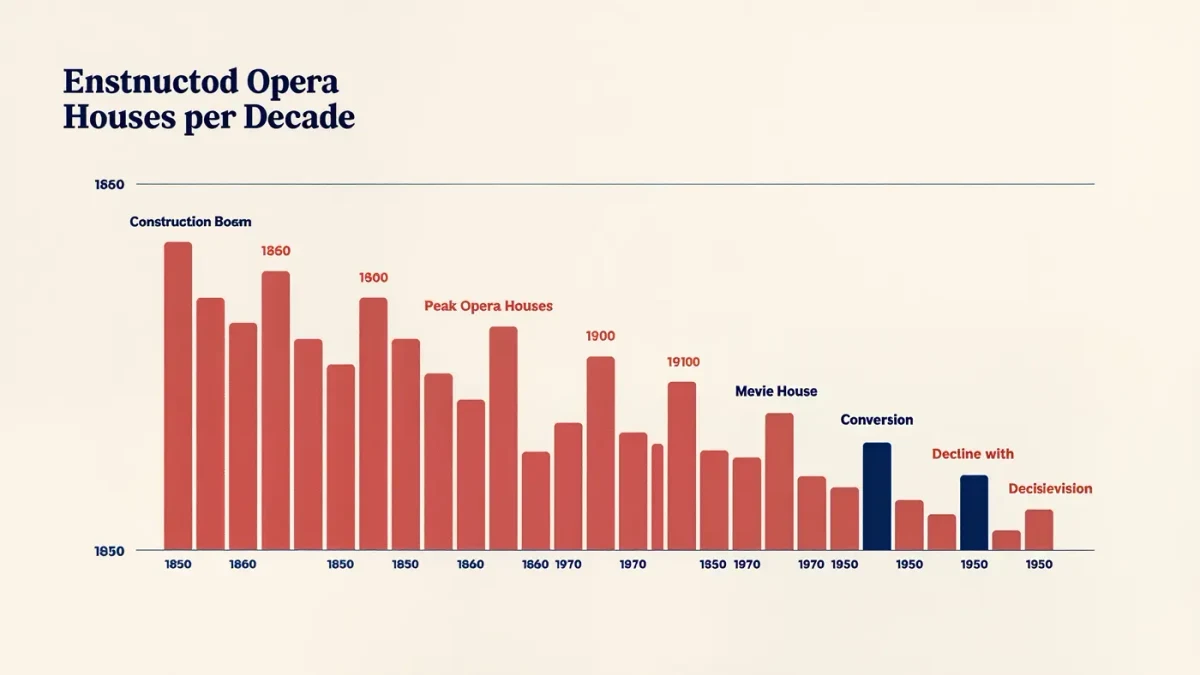
In the decades after the Civil War, thousands of American farm towns put up buildings they grandly called opera houses, and for a while the bookings actually came.
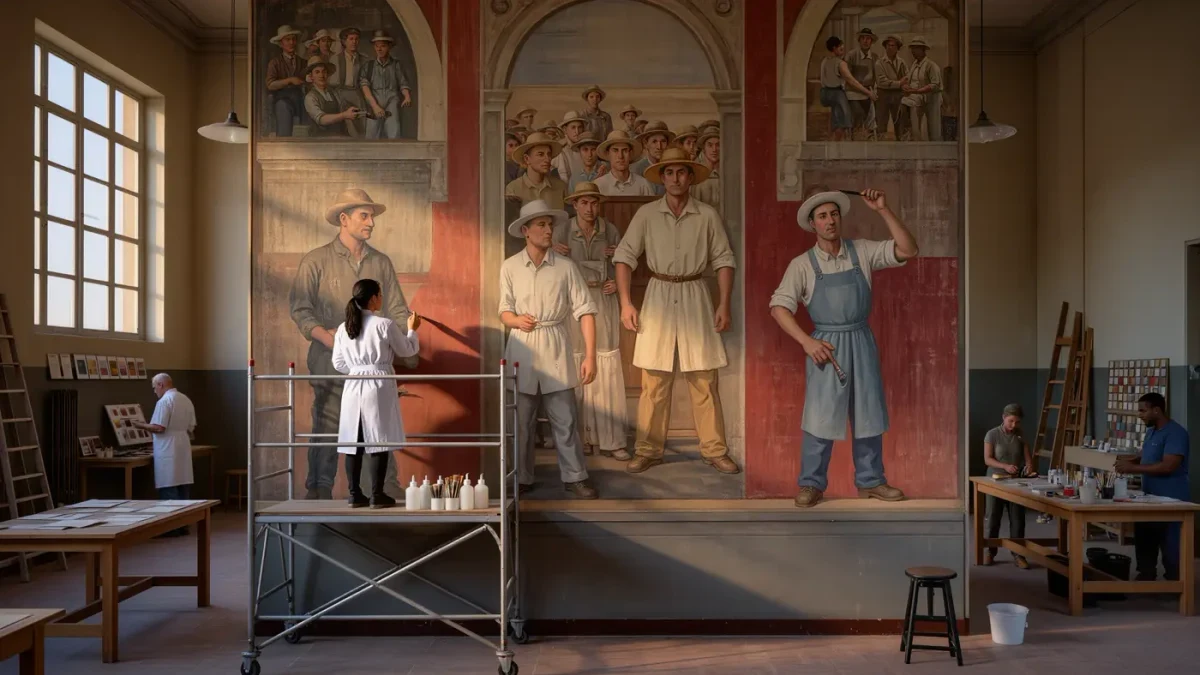
Between 1935 and 1943, a New Deal agency put thousands of American artists on the public payroll and quietly rebuilt the country's visual culture from the county courthouse to the city subway.