On the first full weekend of every month, cardholders of one major bank walk into more than 200 American museums without paying admission, courtesy of the Museums on Us program Bank of America has run since 2006. Stack that on top of free weekly evenings, monthly free days, library pass programs, and Blue Star summer admissions for military families, and you get the museum free day economy: a dense, semi-invisible system of cross-subsidies through which museums charge full price to some visitors in order to admit others for nothing — and call it access.
Why do museums have free days at all?
Mission and money, in shifting proportions. Most American museums are nonprofits with a charitable purpose, and free or reduced admission is the most visible way to demonstrate it. But free days are also marketing: they introduce the institution to people who might later become members, and they fill galleries on otherwise slow weekday afternoons. Institutions with large endowments — the Getty in Los Angeles, the Cleveland Museum of Art, the National Gallery of Art in Washington, which is federally supported and has always been free — can build permanent free admission into the budget. Others buy access in slices: a free Tuesday evening, a pay-what-you-wish Friday, a sponsored first Sunday.
Who actually pays for the free hours?
Three parties, in practice. Full-price visitors cross-subsidize free ones — a museum's listed admission is set partly with the free hours' cost in mind. Corporate sponsors pay to attach their name to access: Bank of America's program is the largest example, and other institutions run free hours under bank, utility, or retailer sponsorships. And governments chip in through county or municipal arts funds, some of which specifically subsidize free or discounted local admission.
The economics are less generous than they look. Admission rarely covers more than a modest share of a museum's operating budget — often single digits at large institutions — so free days are less a financial sacrifice than a pricing decision about who should bear that small share.
Does 'pay what you wish' mean free?
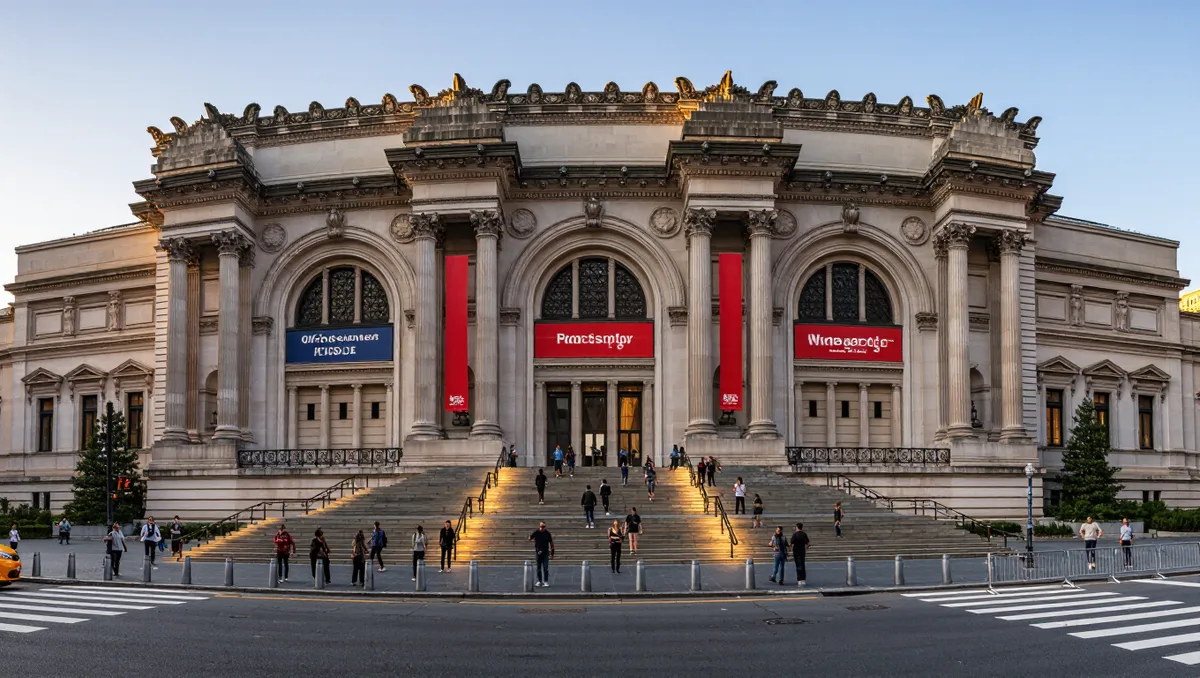
Legally, at several major institutions, yes — with a suggestion attached. The Metropolitan Museum of Art's pay-what-you-wish policy for New York State residents, and its former one for all visitors, made it technically possible to enter for a penny, a fact the museum publicized gently and tourists routinely ignored. The suggestion anchors expectations; most people pay most of it. Behavioral economists love this arrangement because it lets price-sensitive locals self-select into discounts without the museum announcing discounts, preserving both revenue and dignity.
How do bank and employer programs work?
The mechanics are simple corporate marketing with a cultural wrapper. Museums on Us admits any Bank of America or Merrill credit or debit cardholder, one free general admission per card, on the first full weekend of the month, at participating institutions from coast to coast. The bank pays the museums a participation fee; the museums get traffic, especially from people who would not otherwise visit; the bank gets its brand associated with culture in the most literal way possible — carried in the visitor's wallet, presented at the desk. Reciprocal membership programs, from the North American Reciprocal Museum Association, work on similar network logic among members rather than bank customers.
Do free days actually increase access?
Partly, which is the honest answer. Research and visitor surveys over the years suggest free hours draw both low-income visitors who need them and affluent ones who would have paid — the discount is poorly targeted by design, because means-testing a museum lobby is awkward. Timing matters as much as price: a free Wednesday afternoon helps retirees, families with flexible schedules, and shift workers less than a free evening or weekend would. Libraries' museum pass programs, which let patrons borrow free or discounted admission like a book, reach a different and often broader audience than the free day itself.
Why not just make everything free?
Because admission revenue is real, because boards notice it, and because free admission does not necessarily produce visitation — the National Gallery is free and still competes for attention. The more useful question is whether free days are structured to reach people who face cost barriers, or structured to reward people who already go. On that measure, the American system is a patchwork: generous in aggregate, inequitable in detail, and improvised institution by institution, which is very much the American way of cultural policy.
How do you find free admission near you?
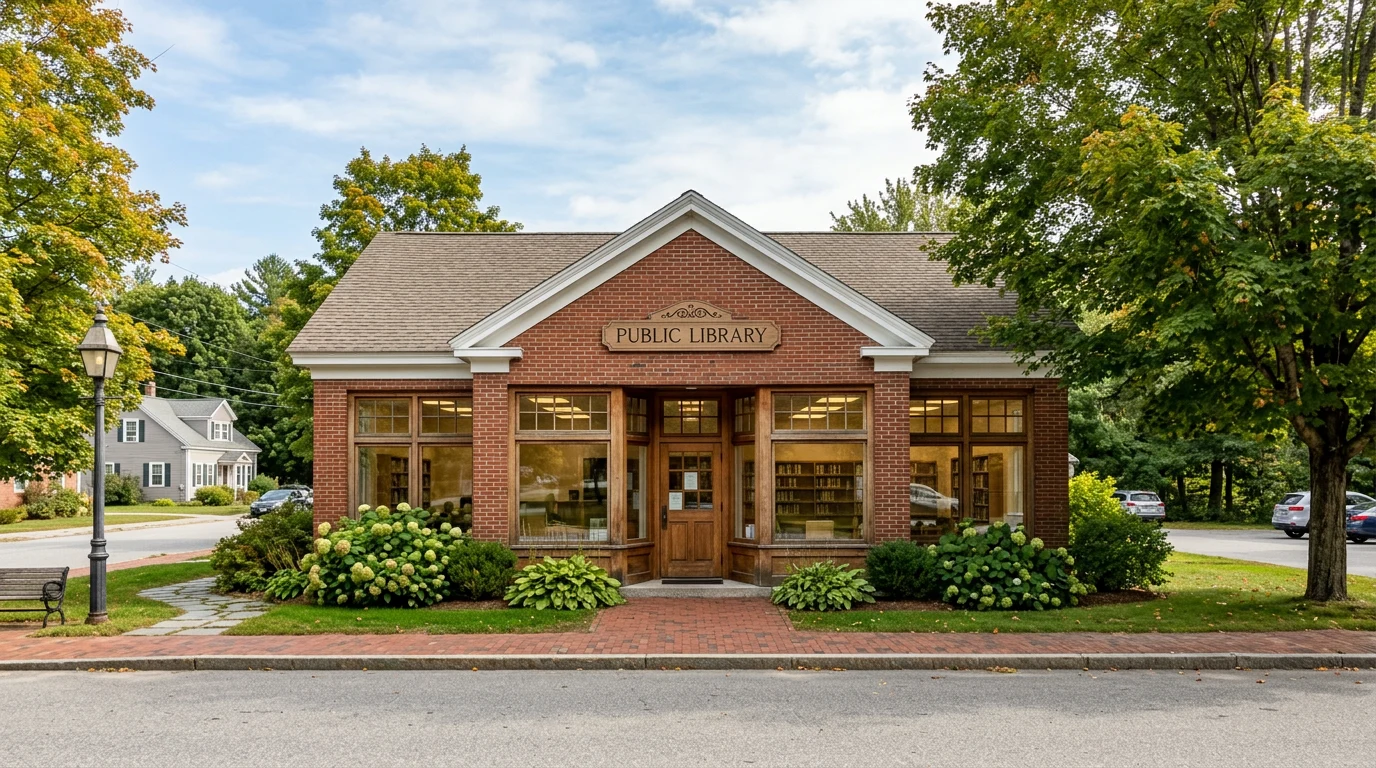
Check three places. First, the admission page of the museum itself, where free hours and resident discounts are listed but rarely advertised loudly. Second, your public library, many of which lend museum passes for free. Third, corporate and national programs: the Museums on Us page lists participating institutions by state, and the Blue Star Museums program, run with the National Endowment for the Arts, offers free summer admission to active-duty military families. Visitors who combine these channels can see a great deal of American art in a year without ever buying a full-price ticket.