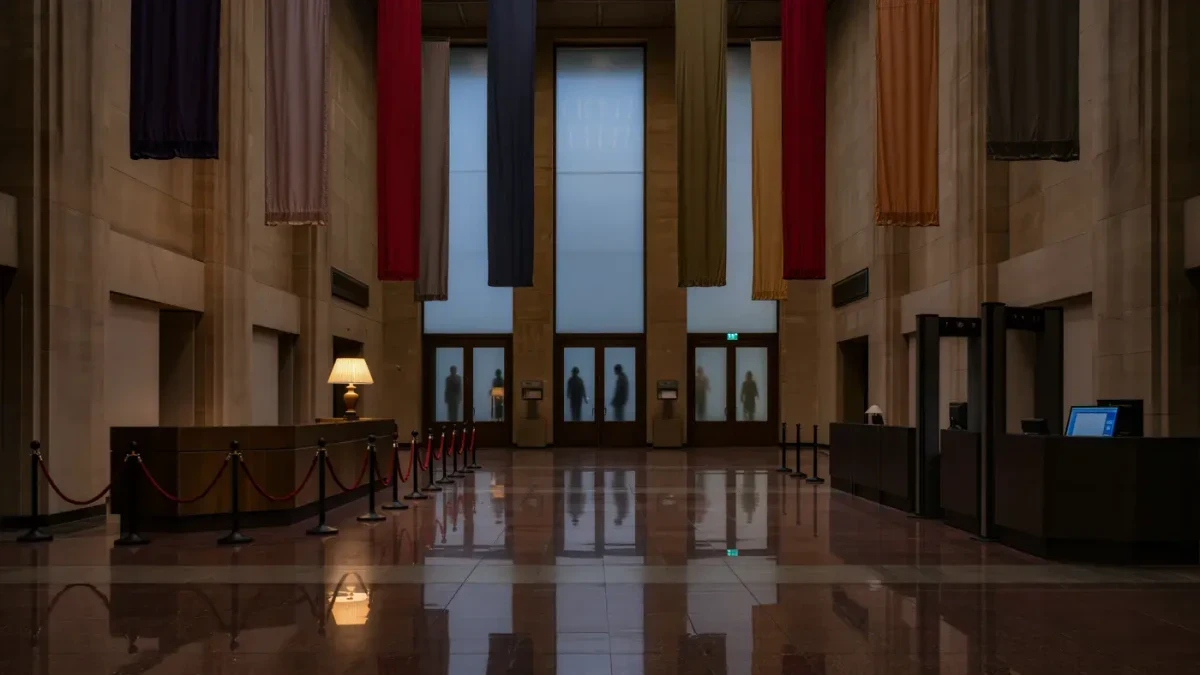
Exit through the gift shop is not a joke; it is a floor plan. American museums route nearly every visitor past the store on the way out, and the store earns its placement: retail operations routinely rank among the largest earned-income sources at major institutions, contributing several percent of operating revenue at large museums and far more of the margin at small ones. The museum store is a cultural institution in its own right — part publishing house, part classroom supply closet, part tastemaker — and its shelves are a surprisingly honest record of what museums think their public actually wants.
What does the store actually sell?
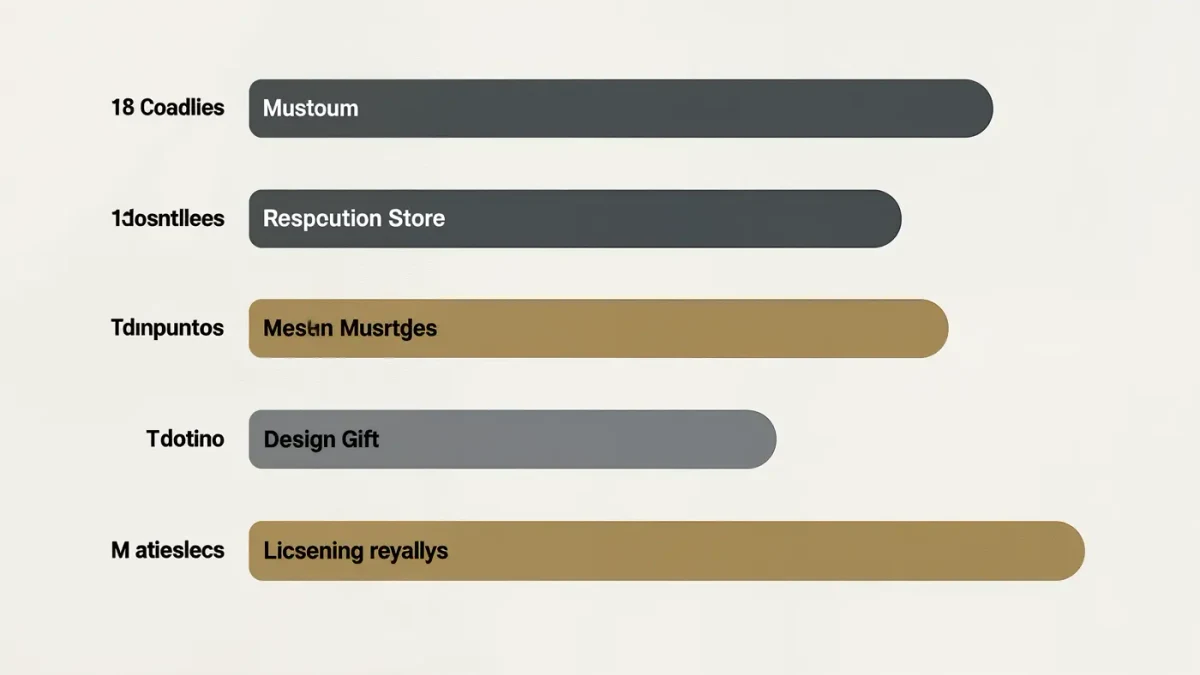
Three categories, in constant negotiation. First, scholarly product: exhibition catalogs, monographs, and the museum's own publications, which exist because museums are also research institutions and the store is their bookstore. Second, reproduction merchandise — prints, scarves, jewelry, puzzles, espresso cups bearing details from the collection — which converts the permanent collection into portable form. Third, what the trade politely calls design gift, the stationery, tote bags, and children's books with no specific collection tie, present because a store that sold only catalogs would starve. The ratio among the three is a philosophic statement: a store that is 80 percent scarves has decided what its visitors are.
How much money does the store make?
Enough that institutions take it seriously. Industry analyses of museum retail place sales at major museums in the millions of dollars annually, with margins on reproduced merchandise typically well above those on books, and with exhibition-linked shops — the satellite store installed inside a blockbuster show — reliably among the highest-performing square footage in the building. Membership discounts, e-commerce, and licensing extend the store beyond the lobby: a museum's licensing program, which rents collection images to manufacturers, is the gift shop operating at a distance, earning royalties without inventory.
The revenue matters most at institutions without large endowments, where the store's contribution can outrank admissions in the earned-income column. For a small museum, a well-run shop is the difference between a balanced budget and a deficit with a tote bag on it.
Isn't the store just commercialization of culture?
The critique is old and not entirely wrong — the shops expanded aggressively in the museum-building boom of the 1980s and 1990s, and satirists have had a field day ever since. But the store also does things the galleries cannot. It publishes: catalogs preserve scholarship that commercial presses would not print. It teaches: a child who buys the postcard of the painting she liked has begun a relationship with the collection that may outlast the visit. And it extends access in the most literal way — the poster on a dorm wall is the museum's only collection that circulates freely through the culture. Museums themselves have come to treat the store as interpretation: product selection, wall text, and display are curated with increasing seriousness, and the Museum Store Association exists as the professional body of this small industry.
What does the store reveal about museums?
Watch what is sold and you can read the institution's anxieties. Stores heavy on scholarly books signal confidence in an expert audience; stores heavy on slogan totes signal a bid for relevance; stores full of children's product signal which demographic the museum is actually betting on. Pricing is its own message — a museum that prices its catalogs like art books is talking to collectors; one that prices them like paperbacks is talking to students. Retail buyers at museums describe their work as translation, deciding which works from the collection survive the conversion to merchandise, and the answer is not always the famous ones: the quirky minor canvas often outsells the icon, because it makes better packaging.
Why do visitors love it so much?
Because the store resolves the fundamental frustration of the museum visit: you can look, but you cannot touch, and you certainly cannot keep. The store is where looking becomes having — a postcard is ownership at one five-thousandth the scale of the painting, and it is yours. That transaction is not a corruption of the cultural experience but its completion for most people. The galleries produce the desire; the store, standing between the exhibition and the parking garage, collects it. Any honest account of American museum-going has to include the fact that for millions of visitors, the most durable artwork they will ever own came in a paper bag with the museum's name on it.
Does the store help the exhibitions themselves?
Directly. The catalog sold in the shop is frequently the exhibition's scholarly record, and its sales underwrite a publication program the institution could not otherwise sustain. Satellite shops inside blockbuster shows capture visitor enthusiasm at its peak, funding the show's run, and the membership desk beside the registers converts store traffic into annual giving. Curators grumble about the layout, but the accounting is unambiguous: the store is not a parasite on the program. It is one of the few parts of the museum that reliably pays for it.