In 2017 the Berkshire Museum in Pittsfield, Massachusetts, announced it would sell about forty works from its collection, including two Norman Rockwell paintings, to shore up its finances and reprogram the institution. The Massachusetts Attorney General's office reviewed the plan; the Rockwells sold; the museum survived. Two years later the Baltimore Museum of Art proposed selling three paintings to diversify its collection and pay staff — and abandoned the plan after a wave of protest, weeks before the scheduled auction. Same mechanism, opposite outcomes. That is the deaccessioning debate in miniature.
What is deaccessioning, exactly?
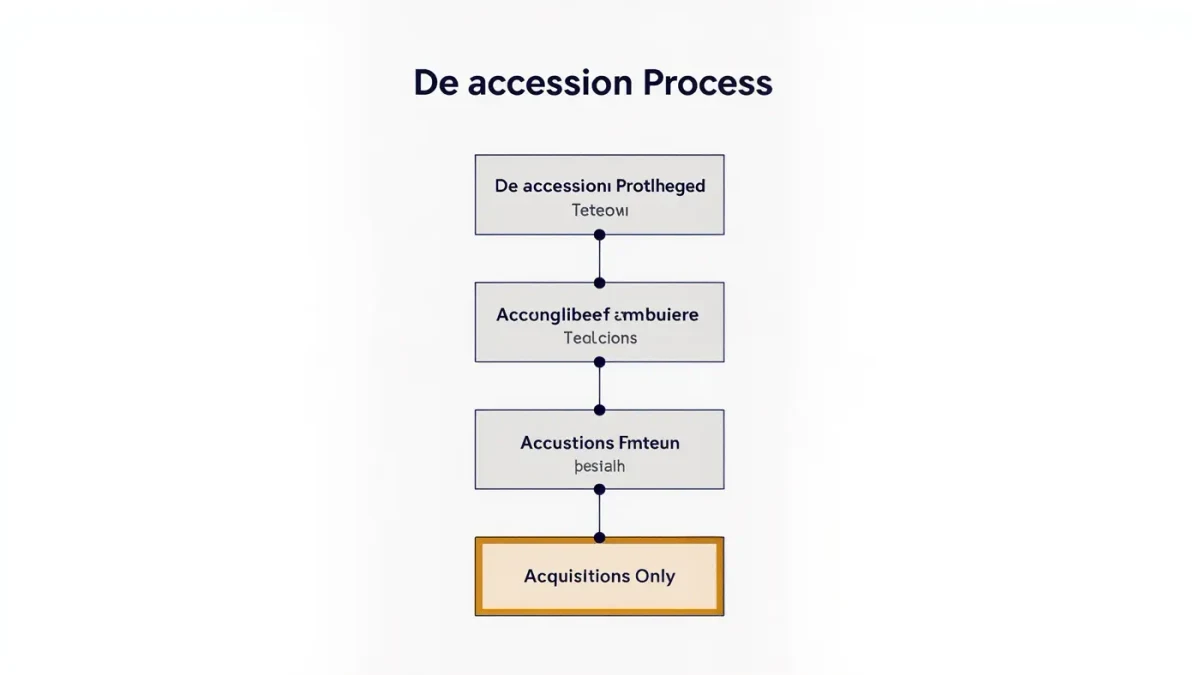
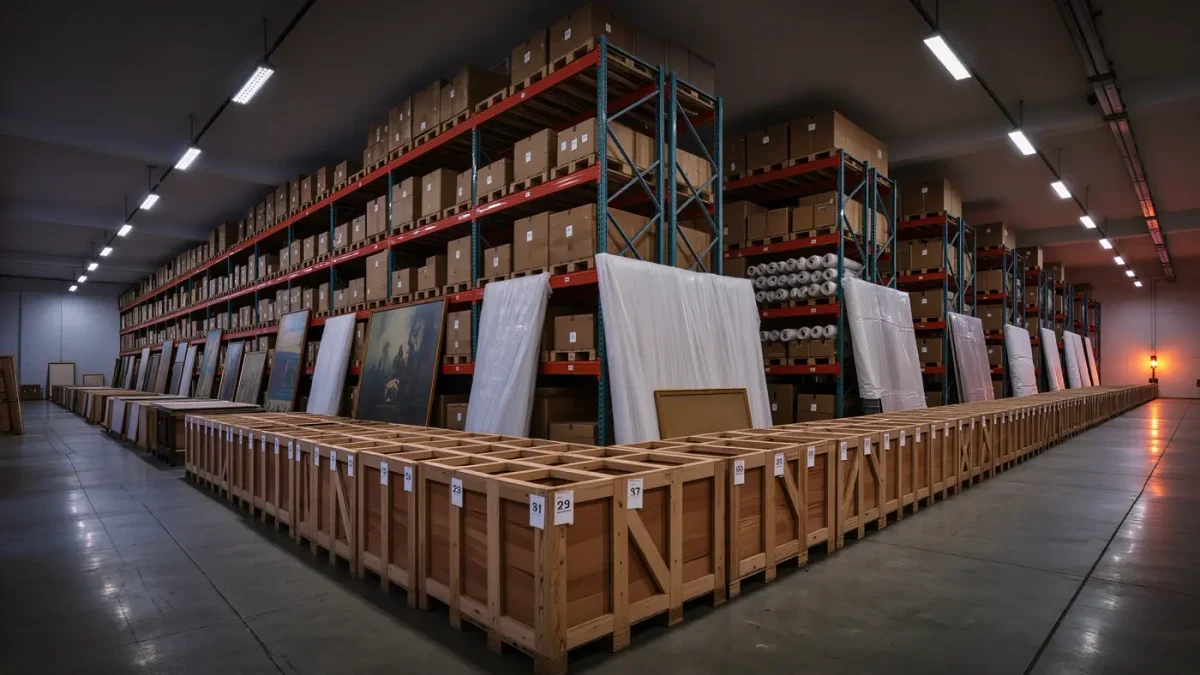
Deaccessioning is the formal process by which a museum removes an object from its permanent collection — the opposite of accessioning, the act of taking it in. Removal is only the first half. What follows is disposal: transfer to another museum, return to a donor's heirs, or, most contentiously, sale at auction. Professional rules draw the line precisely there. A museum may deaccession for good curatorial reasons — a fake, a duplicate, an object damaged beyond conservation — but the question everyone actually fights about is what happens to the money.
What are the professional rules?
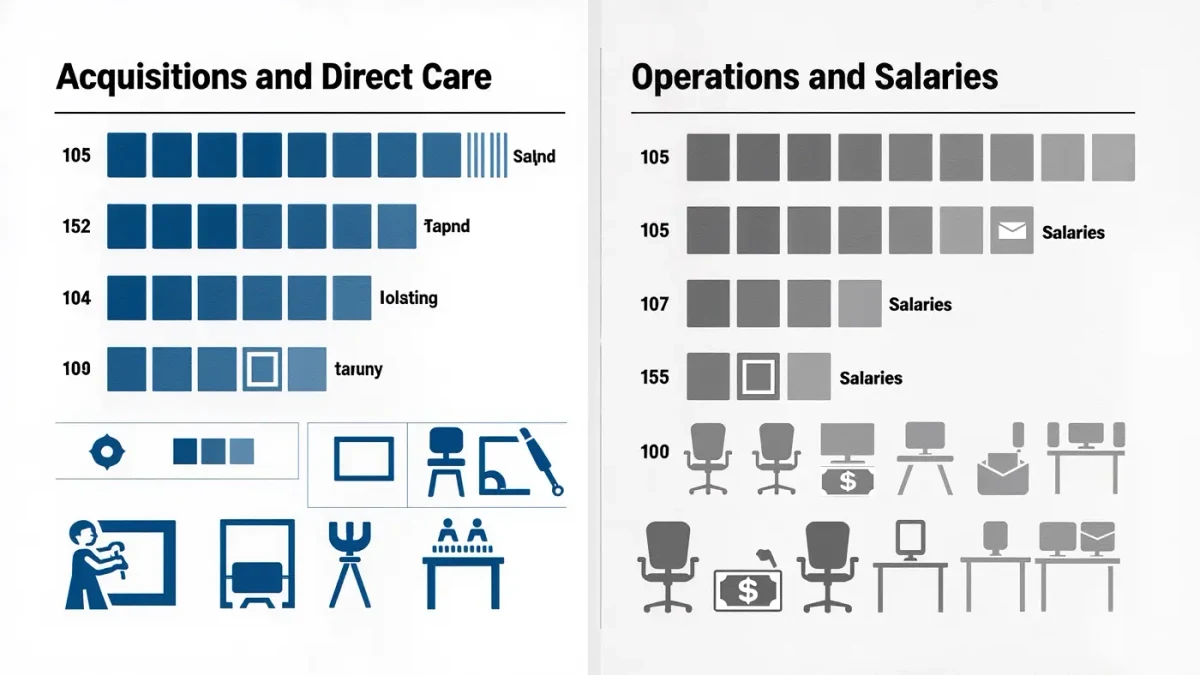
The Association of Art Museum Directors (AAMD) and the American Alliance of Museums publish the closest thing the field has to law. Their shared position: proceeds from the sale of deaccessioned art must be used only for acquisition or direct care of collections — never for operating expenses, salaries, buildings, or debt. Museums that breach the guideline can be sanctioned, and AAMD sanctions have teeth: other member museums have been asked to suspend loans and collaborative exhibitions with offenders, which functions as a professional exile.
The ethical logic is that accessioned works are held in trust for the public. Selling a painting to cover payroll is, in this view, converting the public's art into the institution's cash. The counterargument — voiced most forcefully during the pandemic, when the AAMD briefly relaxed its rule for two years to let museums sell to cover direct care costs — is that a museum that closes permanently preserves nothing for anyone.
Why did the Berkshire sale cause such a fight?
Because it looked like the thin end of a wedge. The Berkshire Museum's plan was not to sell a duplicate teapot; it was to sell flagship pictures by artists like Rockwell to fund an endowment and a new vision for the institution. Norman Rockwell himself, critics noted, had given the paintings to the museum expecting them to stay. The state Attorney General's office, which oversees charitable trusts in Massachusetts, reviewed the sale and allowed a reduced version to proceed in 2018, with proceeds largely restricted. The episode became a case study in how far a struggling institution can go before the profession says stop.
What happened in Baltimore?
In 2020 the Baltimore Museum of Art, under director Christopher Bedford, announced it would deaccession three paintings — works by Brice Marden, Clyfford Still, and Andy Warhol — to buy art by women and artists of color and to create staff endowed positions. The stated purpose was acquisition, which the AAMD rules nominally permit. But the scale, and the simultaneous plan to use funds for salaries, drew national criticism, and in September 2020, two weeks before the scheduled sale, the museum canceled it. The episode is remembered as the moment the rules held — and as the moment many people learned the rules existed.
Is selling art ever clearly acceptable?
Routine, in fact, and mostly uncontroversial. Museums quietly deaccession duplicates, works outside their collecting scope, and objects in poor condition all the time, using proceeds to buy works that strengthen the collection. A regional museum with three near-identical cabinet pieces trading one for an example of something it lacks is the system working as designed. The controversy is almost never about deaccessioning itself; it is about motive, scale, and where the money goes.
There are also categories where pressure to deaccession comes from outside the field: restitution claims, Nazi-era spoliation settlements, and, under NAGPRA, the return of Native American ancestral remains and cultural items — though the latter is legally required repatriation rather than deaccessioning in the market sense.
Who enforces any of this?
Not the government, mostly. State attorneys general can intervene where charities law is implicated, as Massachusetts did with the Berkshires, and donors occasionally sue. But day-to-day enforcement is reputational: AAMD censure, withdrawn loans, and the sort of coverage that makes trustees flinch. It is a professional culture enforcing its own norms, which is why the debate is simultaneously heated and toothless — and why every few years a new museum tests the boundary and finds out where it currently sits.
Where does the debate stand now?
Restored to its pre-2020 strictness, with one live fault line: museums arguing that staff salaries are 'direct care of collections,' since nothing cares for a painting like an employed conservator. Expect the next fight to be about that phrase. The deeper question — whether art held in trust can ever be converted to keep the trustee alive — did not end in Pittsfield or Baltimore. It is simply waiting for the next budget crisis.