The 2024 Grammy for Album of the Year went to a record built on banjos, ballad forms, and open tunings — Taylor Swift's evermore-era colleague Joni Mitchell receiving tribute honors the same season, and Noah Kahan selling out arenas with songs about small-town New England. By the mid-2020s, banjo sales were rising, and "folk" was the fastest-growing descriptor on singer-songwriter playlists. Yet almost none of this music is folk in the sense the word carried when the Library of Congress began collecting it in 1928. What counts as folk now is a question with a verifiable answer: everything the old definition excluded, and a few things it never imagined.
What was folk music, originally?
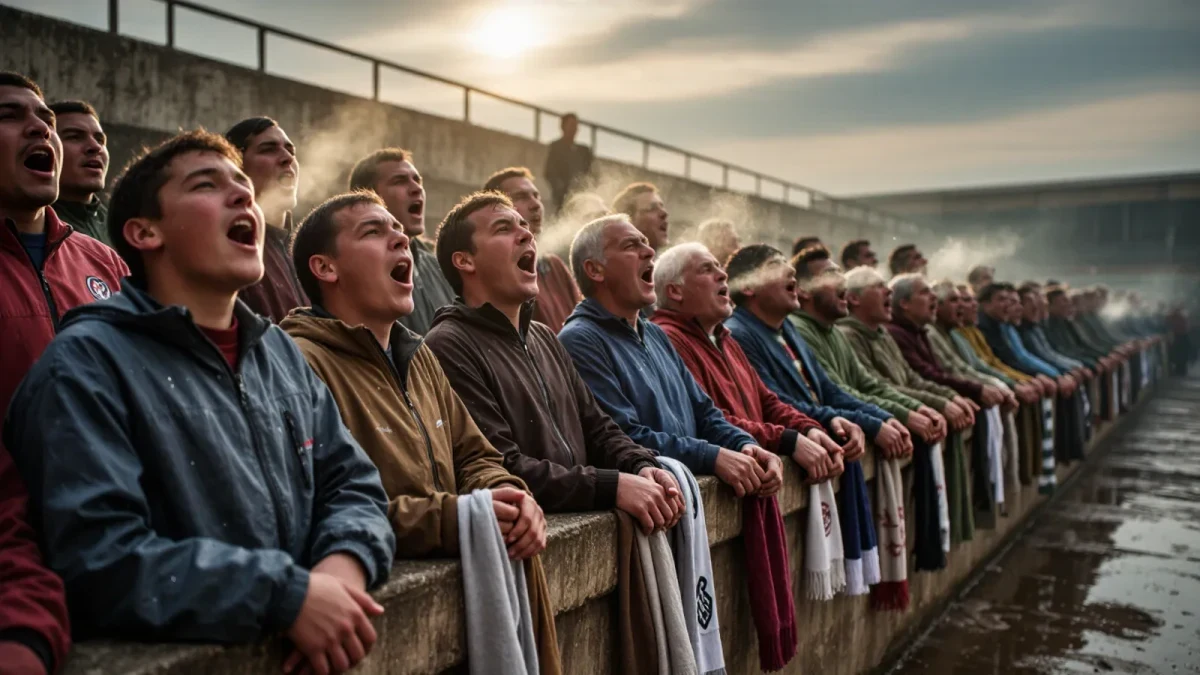
A transmission process, not a sound. In the classic definition worked out by collectors like Cecil Sharp and institutionalized by John and Alan Lomax at the Library of Congress, folk music was music learned orally, changed by each performer, owned by no one, and tied to a community — often rural, often working, often regional. The Lomaxes' field recordings, made from the 1933 Southern States trip onward, captured Lead Belly and hundreds of others precisely because the music lived outside print and commerce. Variation was the credential: a folk song existed in versions, the way a recipe does, and authorship was irrelevant.
The American folk revival of the 1940s-1960s — Pete Seeger, Woody Guthrie's legacy, then Bob Dylan — complicated the model while pretending to honor it. Revivalists wrote new songs in old idioms, copyrighted them, and played them through commercial media; Dylan's 1965 electric rupture at Newport was, among other things, the moment the movement's definition of authenticity stopped holding. By the 1970s "folk" had come to mean acoustic singer-songwriter music — a genre with charts, labels, and named authors, which is to say, not quite folk at all.
How did the old definition break?
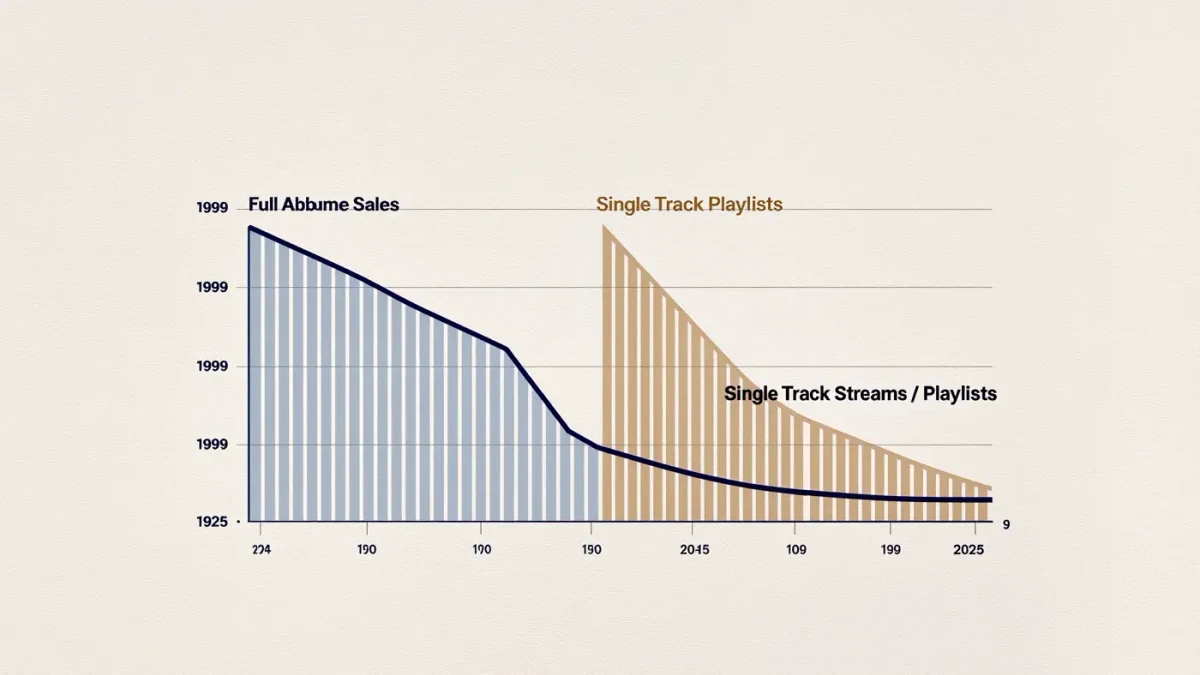
It broke on its own success and then on technology. Oral transmission assumed scarcity: you learned songs from the people physically near you. Radio, records, and television centralized repertoire; then the internet finished the job. Today a player learns a tune from a YouTube tutorial by a stranger on another continent, and the tune arrives fixed — with tablature, a canonical recording, and comments correcting any deviation. The variation that defined folk becomes a choice rather than an inevitability. When everyone learns the same version instantly, the folk process inverts: instead of songs mutating as they travel, they freeze as they travel.
Meanwhile the communities that carried regional styles — Appalachia's ballad tradition, the Sacred Harp singers, the Cajun and Tejano repertoires — did not disappear, but their music now lives partly as curated heritage: festivals, academic programs, the National Endowment for the Arts' National Heritage Fellowships, founded in 1982, which has honored traditional artists from Doc Watson to contemporary masters. The tradition survives; it survives with institutional support, which changes what the tradition is.
What does folk mean in the 2020s?
Three working definitions coexist, and arguments about folk are really arguments about which definition is load-bearing. The first is acoustic-industrial: folk as the singer-songwriter genre — Taylor Swift's folklore and evermore (2020), Noah Kahan, Hozier, Phoebe Bridgers-adjacent quiet — defined by instrumentation and intimacy, marketed through the most sophisticated distribution ever built. This is folk as brand, and it is by far the most commercially powerful sense.
The second is process-folk: music that actually travels the old way, mutating as it goes — but the vehicles are now TikTok sounds, sped-up remixes, and meme formats. A viral sped-up version of a song, then a slowed reverb one, then a cover by an unrelated artist is, functionally, the folk process running at industrial speed: anonymous-ish variation, communal use, authorship blurred. The folklorists of 1933 would recognize the pattern instantly, if not the platform.
The third is heritage-folk: the traditional musics themselves, maintained by communities and organizations — shape-note sings, old-time jams, Indigenous song traditions, immigrant repertoires. This is the smallest audience and the strongest claim to the word, and it increasingly depends on archives like the Library of Congress's American Folklife Center, which preserves what commerce ignores.
Isn't calling pop stars folk a marketing trick?
The skeptical case deserves a full paragraph. To call a billionaire's lockdown album folk, purists argue, empties the word of everything that mattered: folk named music of the demos, made without commercial machinery, carrying the speech of people the culture industry bypassed. Swift's folklore — however good — was recorded with star producers, released by the largest music company on earth, and supported by a campaign that included a Disney+ film. Whatever that is, it is not authorless communal transmission; it is the opposite, the most authored product imaginable. On this view, stretching folk to cover it is not evolution but appropriation of authenticity — borrowing the moral prestige of the powerless for music made from a position of extreme power, the same way "organic" gets printed on factory packaging.
The reply: the word was stretched first by the 1950s revival, and every generation since has complained in the same key. Guthrie and Seeger played union halls and radio; Dylan went electric; "folk-rock" was a chart category by 1965. Genre words name lineages of influence, not purity tests, and the lineage from Appalachian balladry through revival songwriting to acoustic pop is continuous and documentable. The purist position preserves the word; the loose position preserves the music's actual family tree.
So who is a folk artist today?
By the honest composite answer: a traditional musician carrying a community repertoire without expectation of charts; a songwriter in the Guthrie-to-Mitchell lineage working acoustically; and — least comfortably for purists — any music that spreads by communal mutation rather than official release, which now happens mostly through social platforms. The banjo revival, the bluegrass moments on country radio from Billy Strings, the O Brother, Where Art Thou? soundtrack's long shadow (a 2001 album that topped charts and re-legitimized old-time music): all of it is folk's afterlife running through commerce, which is where American folk has lived since the Lomaxes put Lead Belly on stages. The definition was never about purity. It was about how songs travel — and they travel farther, faster, and in stranger vehicles than the collectors who defined the word ever allowed themselves to predict.