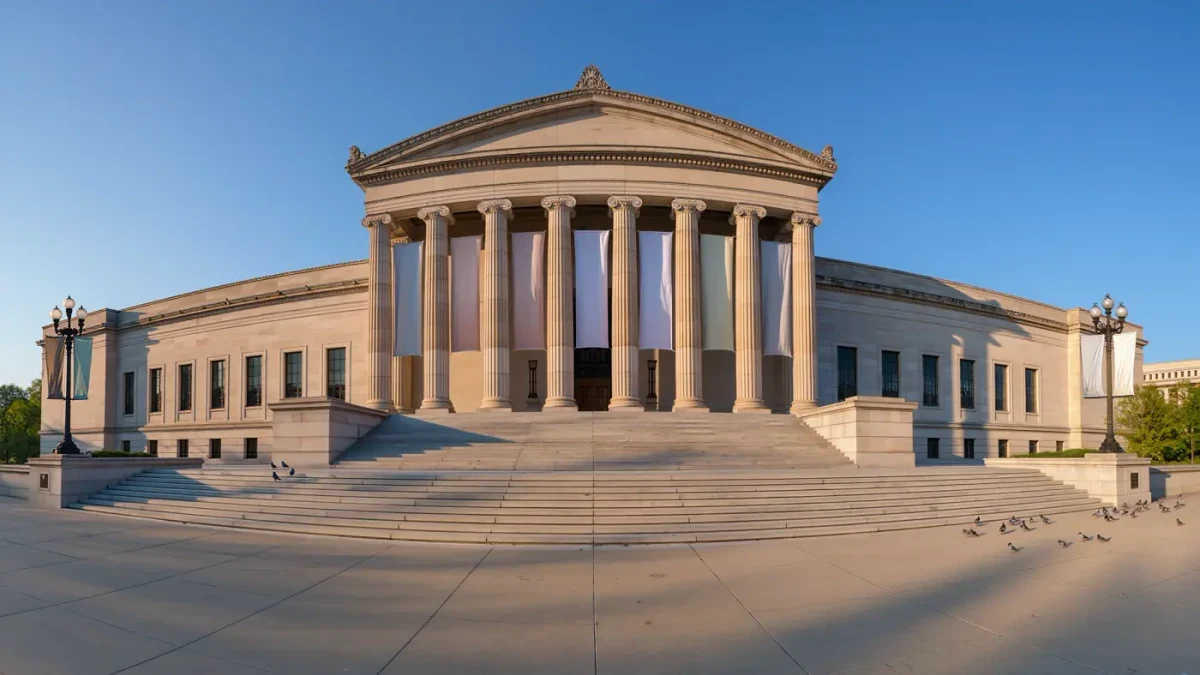
The Metropolitan Museum of Art's 2026 spring exhibition season rests on two very different bets: "Raphael: Sublime Poetry," the first major Raphael retrospective ever mounted in the United States, open since March 29, 2026, and the Costume Institute's "Costume Art," announced to open May 10, 2026, on the heels of the May 4 Met Gala. One show argues for a five-century-old standard of perfection; the other argues that dress belongs in the same conversation. Both are playing for the museum's global audience.
Why Has America Never Had a Major Raphael Show?
Loans. Raphael died in 1520 at 37, and nearly everything of consequence he touched is treated by its holding institution as non-negotiable. Assembling a retrospective means prying paintings and drawings from the Uffizi, the Louvre, the Vatican, the Prado, and smaller Italian churches simultaneously — a diplomatic exercise most museums never attempt.
That the Met managed it in 2026 makes "Sublime Poetry" the institutional event of the American museum year. Raphael's career was short enough that the surviving corpus is compact and devastatingly consistent: the tender Madonnas, the portrait mastery, the late Roman compositions where calm and drama hold each other in balance. American museums own comparably few Raphaels — the Met's own holdings are modest — so for most U.S. visitors this spring offers a first chance to see the arc whole. Early reporting on the opening described queues through the Great Hall, the museum banking on a Renaissance master to do blockbuster numbers that contemporary names usually deliver.
What Is 'Sublime Poetry' Actually About?
The title comes from the period compliment paid to Raphael's harmonious, poetry-like grace. The show assembles paintings and drawings across his full career, from Umbrian apprentice work to the Roman years under papal patronage, and hangs his achievement as a argument about clarity.
Raphael is the painter non-specialists feel they already know, which is precisely what makes a retrospective valuable: it complicates the postcard version. The drawings are where the case gets made. Raphael was among the greatest draughtsmen who ever lived, and the studies — compositions tried and rejected, hands repositioned, faces searched for the exact tilt — reveal the labor beneath the serenity. Museums have learned that visitors who drift past finished altarpieces will stand for twenty minutes in front of a preparatory sheet, watching a mind work. Expect the drawing galleries to be the show's quiet center of gravity, and expect the museum's education programming, from gallery talks to the audio guide's Renaissance segment, to lean on that intimacy.
What Comes After the Gala?
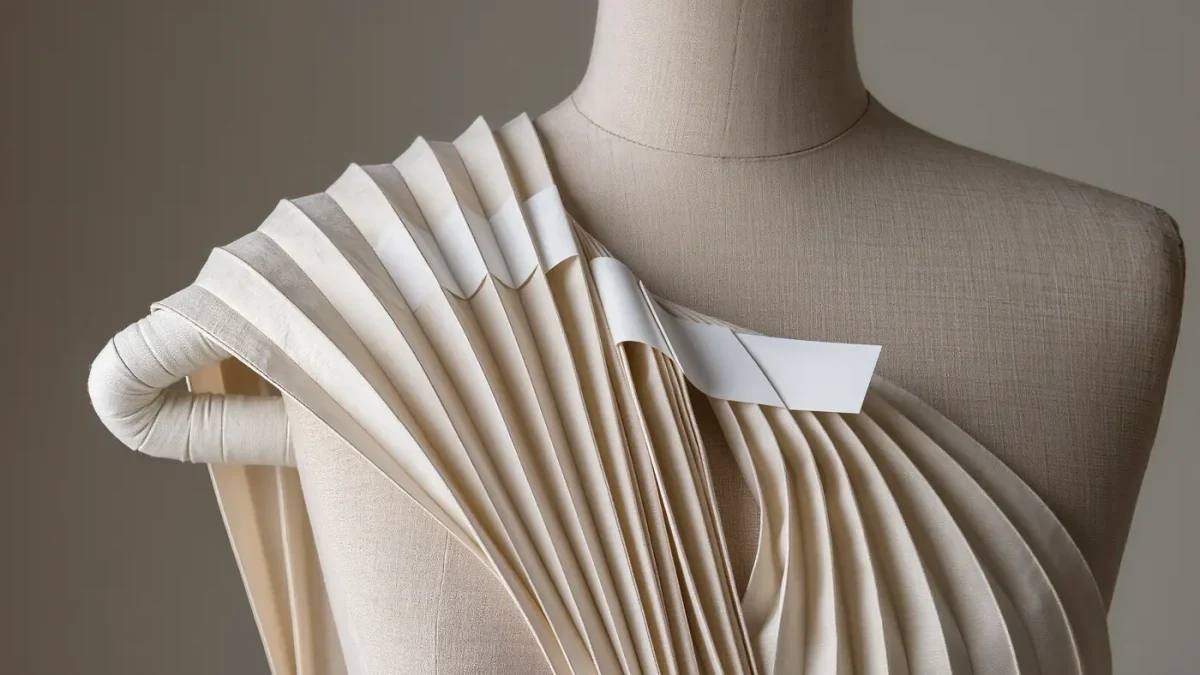
"Costume Art," the Costume Institute's spring 2026 exhibition, opens to the public on May 10, 2026, six days after the May 4 Met Gala — the fundraiser whose red carpet now functions as the exhibition's global trailer. The title signals a thesis about fashion's place among the fine arts rather than a single-designer retrospective.
The Costume Institute has spent a decade escalating its claims. Its exhibitions have argued for dress as sculpture, as performance, as archival document, and as philosophical provocation, and the department's shows reliably rank among the most attended exhibitions in the world in any given year. "Costume Art," by its name, makes the claim explicit: that a garment can be read the way a painting is read, with technique, intention, and period meaning layered together. Whether the galleries can sustain that argument past the gala's flash is the annual question — the answer has usually been yes, and the 2026 installment arrives with the department's curatorial machinery at full strength.
Is the Met Overextended?
Running a Renaissance loan exhibition of this scale and a Costume Institute opening six weeks apart is a deliberate strain — on conservators, on registrars, on the building itself. The museum's calculation is that the two shows serve different publics and rarely compete.
The Raphael audience skews toward the museum's traditional constituency: art historians, students, the European-tour circuit, viewers who plan a visit around a once-in-a-lifetime loan. The Costume Institute audience skews younger, more international, and more socially mediated — visitors who arrive because the gala made the building the center of the culture's attention for one night. A museum that can hold both at once is making a statement about what it thinks it is in 2026: not a temple or a party venue, but both, on a schedule. The spring also feeds the balance sheet; exhibition-driven attendance is the engine behind membership sales and the shop, and a Raphael catalogue is the rare museum-store item with gift-book reach.
When Should You Go?
Practical answer: Raphael before late spring. Loan exhibitions of this fragility do not travel afterward — this is a New York-only engagement, and drawing galleries in particular will be densest on weekends and free hours.
For the Costume Institute, the first weeks after May 10 carry the gala afterglow and the crowds it brings; summer is calmer. Members' previews and timed ticketing, now standard Met practice for blockbusters, are the reliable play for both. What the 2026 spring season demonstrates, above all, is the Met's particular talent for staging the old and the new as a single argument — Raphael's perfection in March, fashion's argument for itself in May, and the same crowd filing through both.