Every spring, the Library of Congress adds 25 recordings to the National Recording Registry, the federal honor for American sound — songs, albums, broadcasts, speeches, and field recordings deemed "culturally, historically, or aesthetically significant." The registry now holds roughly 700 recordings as of 2026, and each one arrived the same way: through a selection process that starts with public nominations and ends with the Librarian of Congress's signature. It is the least glamorous and most democratic of America's culture honors, and its mechanics are worth understanding.
What Is the National Recording Registry, Exactly?
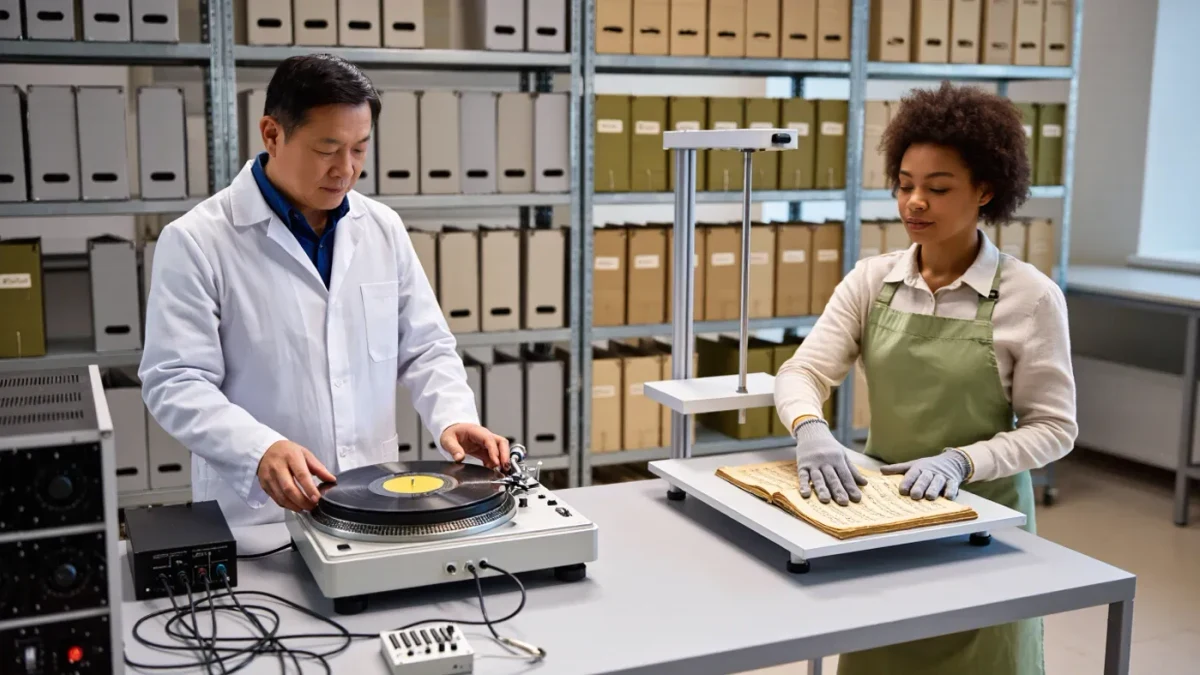
It is a preservation list, created by Congress in 2000 as part of the National Recording Preservation Act. Each year the Librarian of Congress names 25 recordings that are at least ten years old, and the Library then works to preserve the selected works and, where possible, make copies accessible to the public.
The registry is often described as the audio counterpart to the National Film Registry, and the comparison holds in structure and in spirit. Both are annual, both cap their classes at 25, both require a decade of age, and both deliberately mix popular blockbusters with obscure artifacts. A typical class puts a blockbuster album next to a regional radio broadcast, a field recording from the folk-song collectors of the 1930s, a presidential address, and a single song that everybody can hum. The holdings now span wax cylinder to digital — the registry's entire logic being that the nation's memory of itself is carried in sound as much as in text, and that sound media decay faster than paper.
Who Can Nominate a Recording?
Anyone. The Library of Congress accepts public nominations online year-round, and the public stream is not a formality: the Library has repeatedly noted that citizen nominations feed directly into the evaluation pool alongside suggestions from the National Recording Preservation Board and the Library's own curators.
This is the registry's most endearing feature. Fan campaigns have successfully pushed recordings onto the list — the Library has credited public nominations for the inclusion of everything from classic rock albums to hip-hop singles and, in one frequently cited case, a recording largely championed by a single persistent online community. There are only two hard gates: the ten-year age requirement and American significance, which the Library interprets broadly — a recording made in America, or one significant to American culture, even if the artist is not American. Beyond that, the field is open. A nomination form takes minutes; the competition, given the entire recorded history of the United States as the eligible pool, is fierce.
How Does the Final Selection Actually Happen?
The National Recording Preservation Board — scholars, archivists, engineers, and industry figures appointed under the preservation act — reviews candidates and advises the Librarian, but the final decision rests with the Librarian of Congress alone. The annual class of 25 is announced each spring.
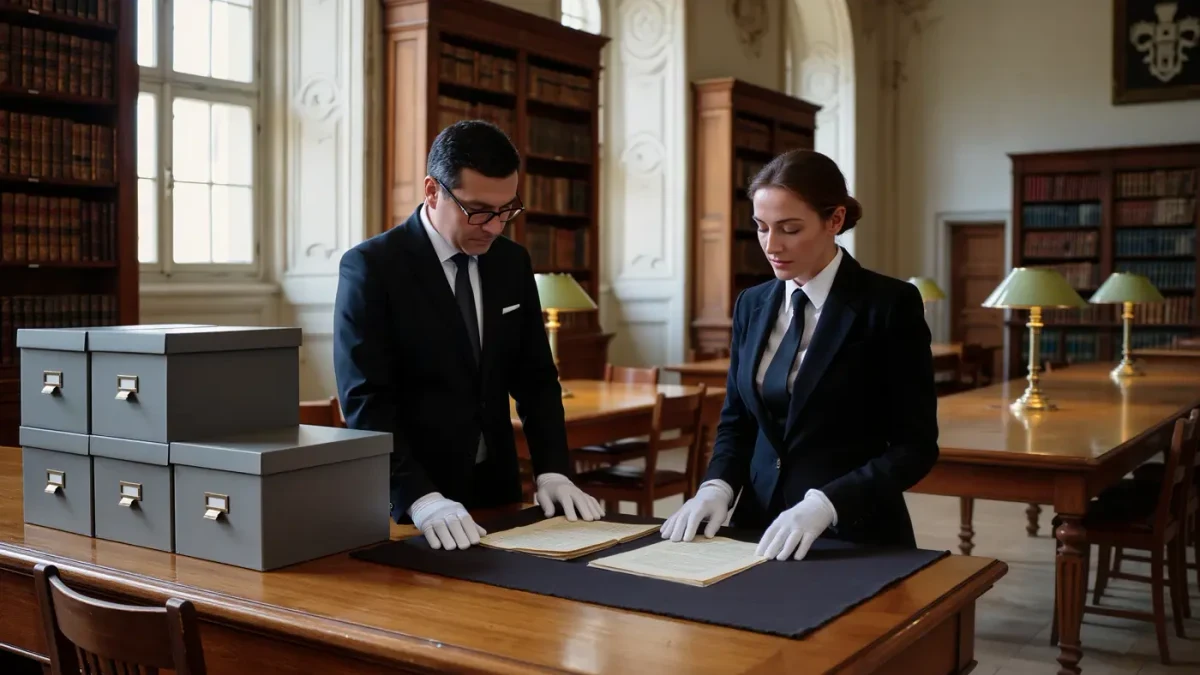
The Librarian's discretion is the system's design, not its flaw. A single accountable decision-maker keeps the registry coherent in a way that a committee vote never could, and the record shows deliberate balancing act after act: if one class leans heavily on rock and pop, the next reaches for jazz, country, classical, spoken word, or indigenous and regional traditions. The board's role is to ensure the Librarian cannot simply follow fashion — members bring specialist knowledge of genres and eras that no generalist can hold. The announced classes are typically accompanied by the Library's public release of curatorial notes, and often by new preservation work, since some inducted recordings enter the registry in fragile condition — lacquer discs, decaying magnetic tape, one-of-a-kind cylinders — and the honor triggers conservation effort, not just a certificate.
What Kinds of Recordings Make the Cut?
The registry's taste runs wide by mandate. Across its first two and a half decades it has honored Delta blues field recordings, Tin Pan Alley singles, radio news broadcasts, presidential inaugural addresses, comedy albums, gospel, tejano, jazz standards, hip-hop landmarks, and — inevitably — a handful of the biggest-selling recordings in American history.
The pattern to notice is that fame guarantees nothing and obscurity disqualifies nothing. The registry regularly passes over commercial giants in a given year and elects them a decade later, and it routinely elevates recordings that few living Americans have heard — a 1920s cylinder performance, a vanished regional dialect captured by a WPA-era folklorist — on the reasoning that cultural significance and commercial success are different claims. The 25-per-year cap forces the discipline: with more than a century of recorded American sound to cover, each class can address only a fraction of what deserves consideration, which is why the annual announcement reliably produces both celebration and a round of "how has this not been inducted yet" argument. That argument, too, is part of the mechanism — it feeds next year's nomination pool.
What Gets Overlooked, and Why?
Every class leaves casualties, and the pattern of what waits is itself informative. Whole genres have arrived late — the registry took years to reach certain regional traditions, and commercial genres with enormous sales often waited behind recordings with clearer documentary weight. The ten-year rule also guarantees that nothing current can enter, which keeps the list historical rather than fashionable by construction.
The omissions do the most work in public. Each spring's announcement produces a round of commentary about what the class reveals — a year heavy on one era reads as a curatorial correction to earlier neglect; a class studded with bestsellers reads as a reach for relevance. Both readings credit the Library with more agenda than a 25-slot annual list can carry. The honest accounting is actuarial: with a century-plus of recorded sound and a fixed annual quota, the registry will always be catching up, and the sequence of induction matters less than the accumulation. A recording not yet honored is not a recording rejected; it is, in most cases, a recording still in a queue that moves twenty-five at a time.
Why Does Any of This Matter?
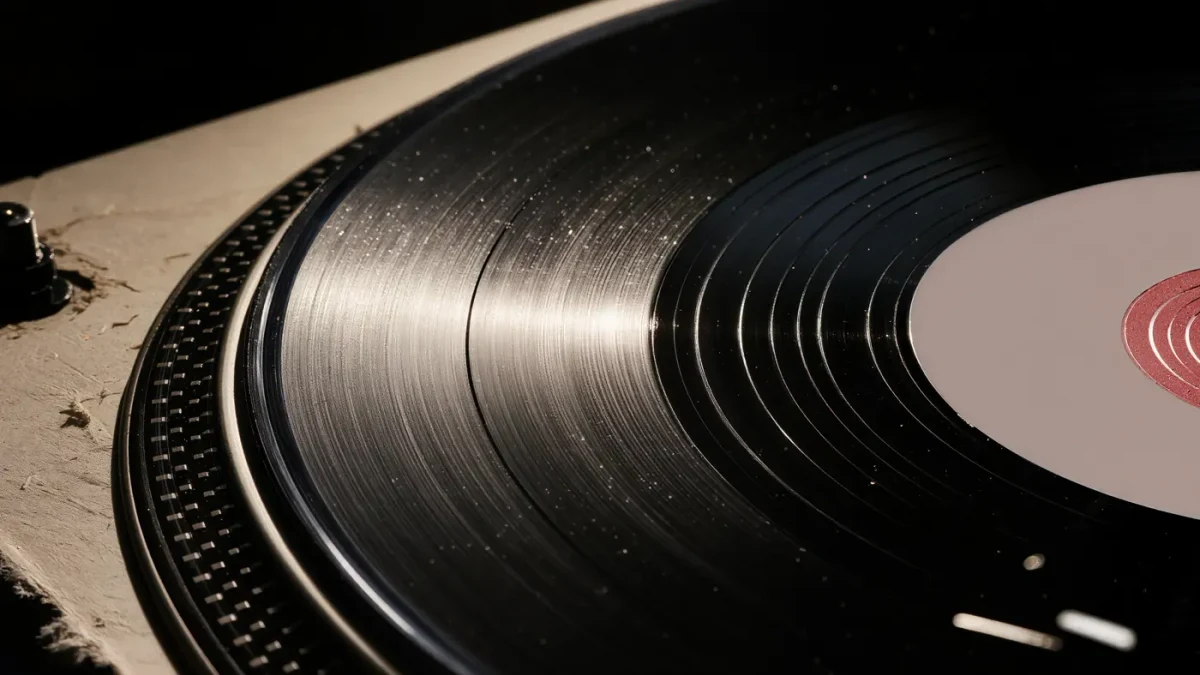
Because recorded sound is the most fragile layer of the national archive and the most vivid. Text survives neglect; tape and shellac do not. The registry is the standing federal acknowledgment that a 78-rpm disc or a live radio broadcast can carry as much of the country's memory as any monument.
It also matters commercially, a little. Induction reliably sends a recording back into circulation — streaming spikes, reissues, documentary licensing — and artists have described the honor as the one award that means their work will outlive its sales cycle. For listeners, the registry functions as a syllabus: a curated, argumentative, steadily growing playlist of American sound, assembled by the national library one spring at a time. The 2026 class, announced by the Library of Congress this spring, takes its place in that project — and the nomination form, as always, is already open for the next one.
And because the question always follows the announcement: no, induction does not put a recording under government lock. Rights holders keep their rights; the public gains access where the Library can lawfully provide it, and much of the registry is streamable through the Library of Congress's own site. The honor is curatorial, the preservation practical, and the door — for listeners and nominators alike — deliberately open.