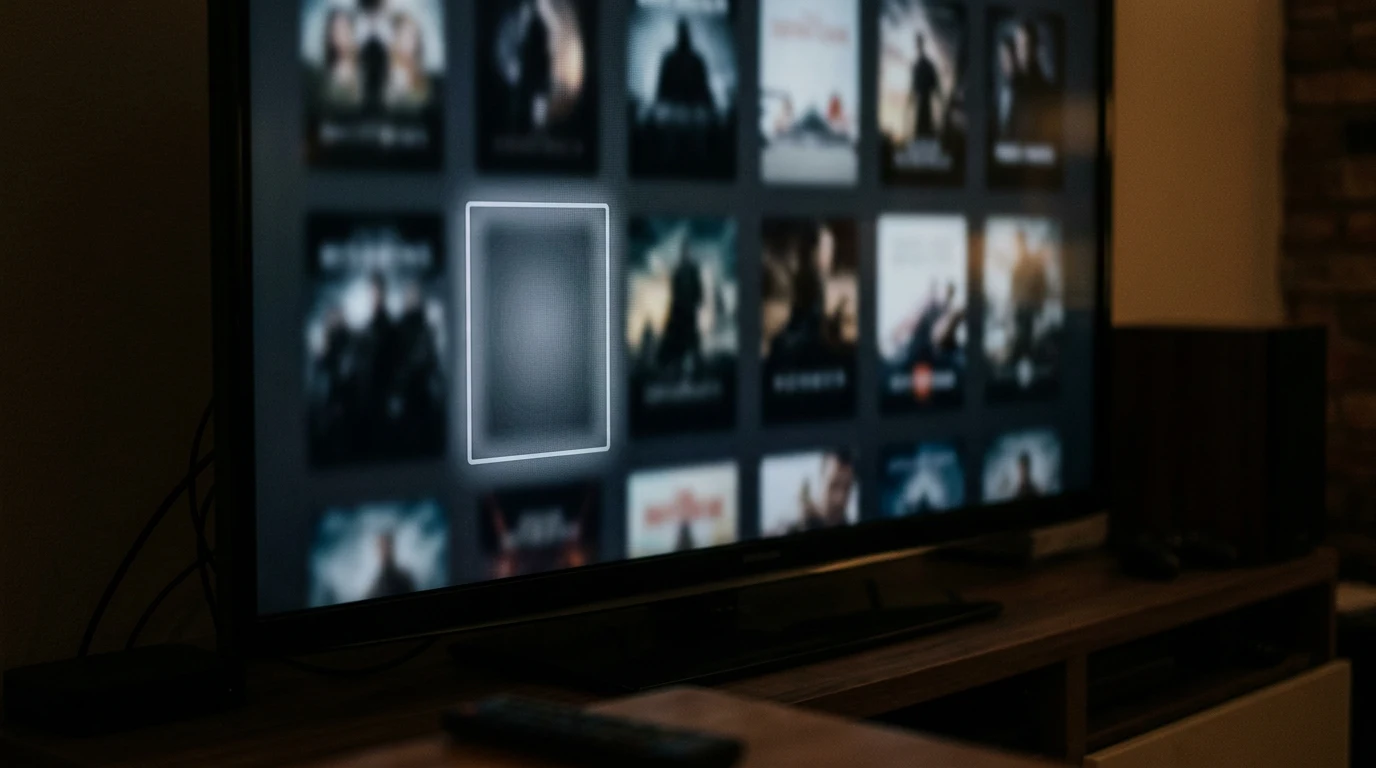
At its 2006 peak, the home video business generated more revenue than American theatrical box office — over $20 billion a year in DVDs — and the typical household owned dozens of films outright. By 2024, US physical disc sales had collapsed by roughly ninety percent from that peak, and the best-sellers were not new releases but reissues for collectors. The American film library — a shelf you controlled — has been replaced by a button that says Play, and the button belongs to someone else.
How did America become a nation of movie owners?
Through two technological accidents. The VHS cassette, mass-adopted in the 1980s, made buying movies possible, and the sell-through pricing pioneered around titles like "Top Gun" (priced for ownership, not rental) made it normal. Then the DVD, launched in 1997, made it profitable: discs cost under a dollar to press and sold for $20-plus, with director's cuts and bonus features manufacturing reasons to rebuy films people already had. Studios discovered that the library was the business — catalog titles, bought once and owned forever, generated the industry's most reliable margin for a decade.
Owning became identity. A wall of DVDs functioned as a displayed self: tastes, loyalties, completionist streaks. The same instinct that filled American homes with vinyl, then cassettes, then CDs now filled them with plastic cases — roughly by the mid-2000s, average households owned more movies than some small-town video stores stocked.
What killed the disc?
Convenience, priced correctly. Netflix's DVD-by-mail service, launched in 1997, demonstrated demand for frictionless access; its streaming option, added in 2007, removed the mail. Instant viewing with no ownership was so obviously preferable for casual rewatching that the disc's decline never needed an argument. Blu-ray (2006) won the format war against HD DVD (2008) and lost the culture: a superior physical format arrived just as physical formats stopped mattering. By the early 2010s, streaming subscriptions were cheaper than two new discs a month, and the math settled the question in most households.
The industry helped. Studios licensed deep catalogs to streamers at rates that made discs look like a nuisance, then watched those catalogs fragment as every media company built its own service between 2019 and 2023 — Disney+, HBO Max, Paramount+, Peacock. Owning a disc became the only way to guarantee access to a specific film, which was an argument nobody wanted to need.
Isn't digital ownership the same thing?
No, and the distinction is the quiet scandal of the era. When a buyer "purchases" a digital movie on a storefront, they generally acquire a revocable license, not a copy — governed by terms of service that survive in fine print. The lesson arrived publicly in 2019, when the BBC and others reported on buyers losing access to films they had paid for after studio licensing expired; Apple's own terms state that purchased content can become unavailable. Hollywood accounting then demonstrated the other half of the problem: films including "Batgirl" (shelved 2022) and licensed titles withdrawn for tax and strategy reasons showed that platforms can remove, edit, or effectively erase works without consulting anyone who "owns" them. A library you cannot bequeath, resell, lend, or defend is not a library. It is a seating area.
Is there a case for the streaming arrangement?
Yes, and it is strong enough that most Americans accepted it without protest. Streaming is vastly cheaper per film watched — a month's subscription costs less than one new Blu-ray — and it delivers a catalog no household could ever own, in 4K, instantly, on any device, with no shelf space consumed. Physical media degraded and got lost; discs skipped and scratched; collections had to be moved, insured, and argued about in divorces. For the price of ownership's burdens, the subscriber receives abundance. That is a genuinely good deal for the casual viewer, and pretending otherwise is nostalgia.
But the deal's costs are unevenly distributed. The casual viewer trades a purchase they rarely repeated anyway; the serious viewer, the archivist, and the person whose favorite film is not a hit trade certainty. And the public trades something less tangible: a shared culture that once persisted in private hands now persists at corporate discretion. When the last VHS-era instinct — buy the thing you love — finally dies, the film canon exists only where it is currently profitable.
Is anything coming back?
Partially, along two fronts. Vinyl taught the industry that a dead format can return as a premium object, and film is following: 4K UHD Blu-ray, boutique labels like the Criterion Collection, and retailer-exclusive steelbooks built a real collector economy in the 2020s — small next to the DVD peak, but with rising prices and sell-through runs that behave more like art prints than mass media. Best Buy, which had dropped discs entirely, generated headlines in 2025 when it brought physical media back to a few stores. Meanwhile, the "forever library" behavior persists among cinephiles: buying discs of stream-vulnerable titles, ripping them for home servers, treating ownership as archival work.
The long arc is nonetheless legible. American media ownership ran on a century of formats that happened to be objects — paper, shellac, vinyl, tape, disc — and the object was the receipt. Streaming removed the object and, with it, quietly rewrote the receipt. The country that once owned its movies now rents them by the month, and the shelf has become a search bar. What sits on the other side of the search bar is decided in licensing meetings to which no library card gets you in.