In 1979, a French sociologist explained America to itself better than any native. Pierre Bourdieu's "Distinction," based on 1960s French surveys, argued that taste — music, food, furniture, manners — operates as cultural capital, a currency of class that the middle class inherits and the working class must earn the hard way. The book sold modestly at first; by the 2020s, its thesis had become the unofficial theory of American life. When a millennial's dating profile specifies "good taste in music" and a resale platform prices a $60 cast-iron pan from 1950 at $300, Bourdieu is being quoted without attribution.
What did conspicuous consumption used to look like?
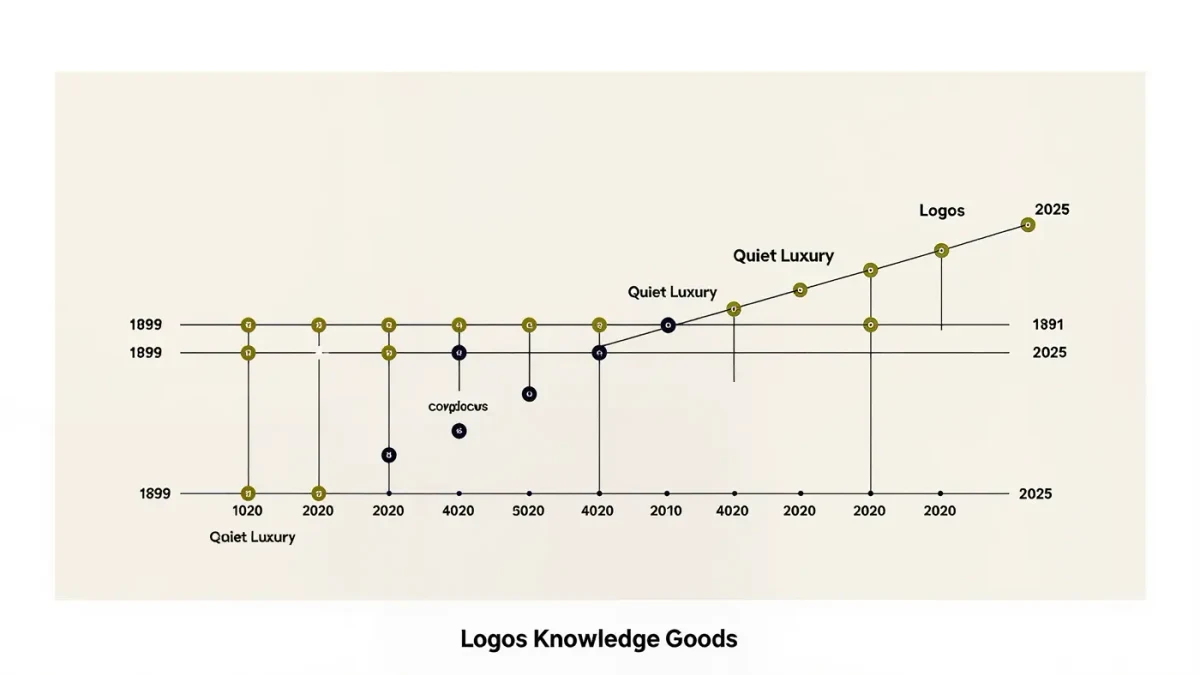
Big, new, and loudly priced. The postwar American status system ran on what economist Thorstein Veblen had already named in 1899: conspicuous consumption — goods purchased to display wealth. The displays scaled with the boom: Cadillacs, suburban colonials, television sets, then yachts and logos. From the 1980s through the 2000s the logo reached its zenith; a handbag's value lived in its recognizable monogram, and status meant paying more for the version with the brand name printed on it. The rule was simple and democratic in its way: money was legible, and anyone with enough of it could buy the signal.
The 2008 recession cracked the aesthetic but not the logic. Overt flaunting briefly went tactless; "stealth wealth" and recession-chic minimalism emerged, and the premium quietly moved from the object to the judgment behind it. What survived 2008 was the insight that the safest status signal is one the aspirational cannot easily copy — and nothing is harder to copy than knowing what to like.
Why can't money just buy taste?
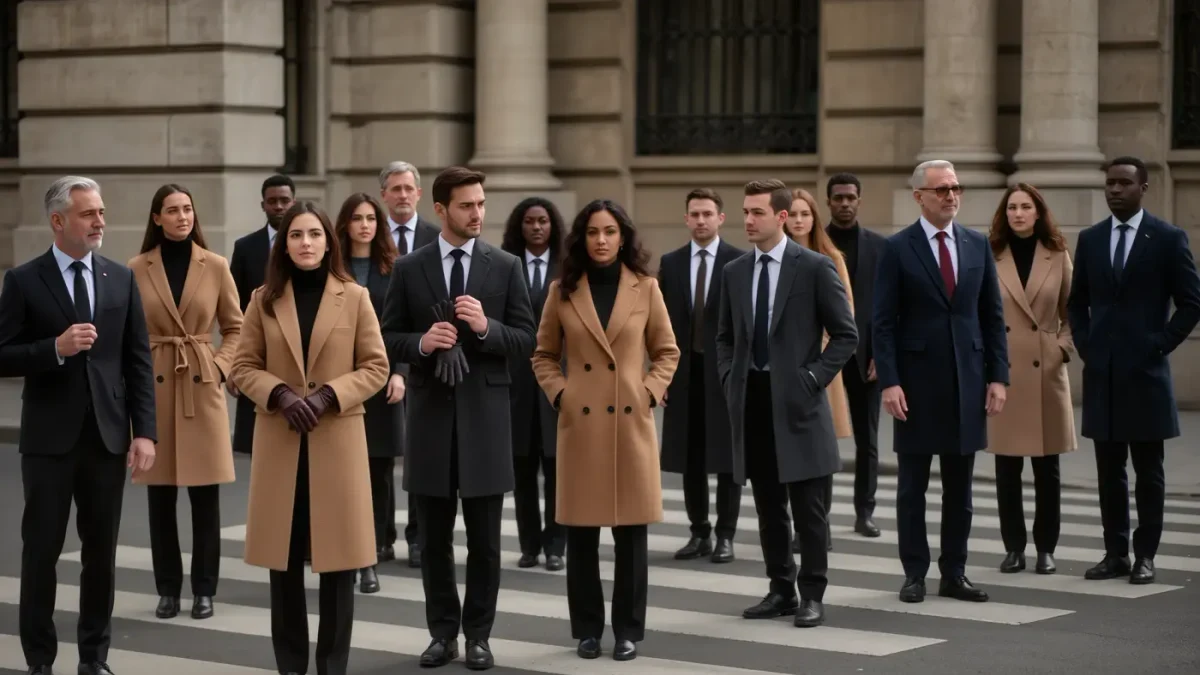
It can rent it, but the rental is detectable. Taste, in Bourdieu's framework, is embodied knowledge: vocabulary, references, the reflex for what is correct in a given room. It is acquired slowly, usually through upbringing and education, which is precisely why it works as class marking — it certifies origins, not just purchases. An Old Money wardrobe and a new-money wardrobe may cost the same; the difference is cut, fit, and the absence of a visible logo, readable only by people already fluent.
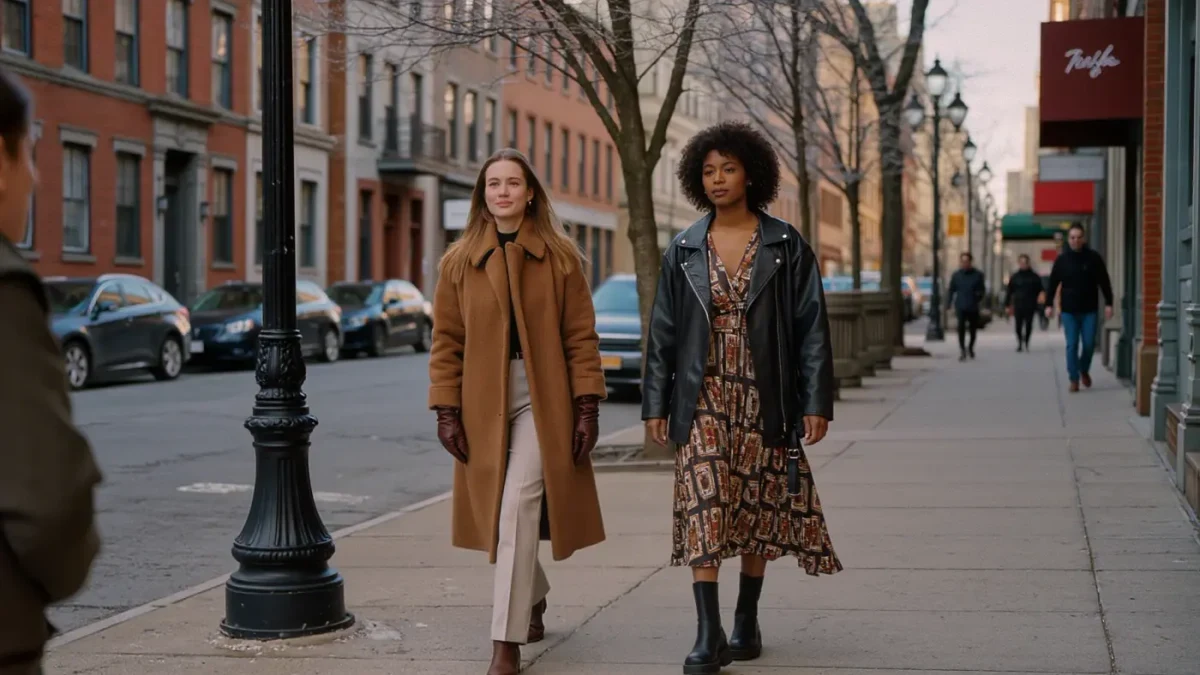
The 2010s and 2020s built an entire consumer culture on this principle. "Quiet luxury" — the trend named and renamed across the 2020s, from "old money aesthetic" TikTok to the pared-down wardrobes of "Succession" characters — sells the suppression of display as the ultimate display. The Kramers of the trend trade Loro Piana caps and unbranded cashmere; the point of the $900 invisible cap is that only the right observers can see it. Meanwhile the mid-century modern furniture market, the vinyl revival, the artisanal everything economy — all price discrimination not by cost but by knowledge. The buyer who knows which Eames chair is which pays less than the buyer who simply knows Eames is famous. Information, provenance, and vocabulary are the new markup.
What role did the internet play?
The internet industrialized taste's display case. Instagram turned every meal, shelf, and outfit into a curated exhibition; Letterboxd and Goodreads made one's media consumption a public, searchable identity; Spotify Wrapped turned annual listening habits into a personality test distributed by a corporation. The "aesthetic" economy — cottagecore, dark academia, coastal grandmother — treated lifestyles as brands with release cycles. Where Bourdieu's subjects expressed taste in dinner parties, the American 2020s subject expresses it in a bio line.
Simultaneously, the internet monetized the teaching of taste. Whole creator economies exist to transmit class markers at discount: which watches hold value, how to dress rich on a budget, what "actually" good olive oil tastes like. This creates the strange dynamic Bourdieu predicted — as soon as a marker is teachable, it begins to devalue, and the fluent must find new markers. The treadmill accelerates. Core aesthetics now burn out within seasons, not generations.
Is taste-based status better than money-based status?
The defense deserves an honest hearing, because it is not trivial. Taste-based status, its advocates argue, is more meritocratic than inherited money: it rewards curiosity, attention, and effort, and it is not strictly purchasable. A culture that values connoisseurship values knowledge over cash, craftsmanship over volume — arguably a civilizational upgrade from the era of the gold-plated bathroom. The slow-fashion and quality-goods movements, whatever their class coding, genuinely push against disposable consumption.
But Bourdieu's point stands against it, and later researchers have extended it to the United States: cultural capital is inherited too, just more quietly than money. Children of educated parents arrive knowing the references; the class marker operates earlier and more invisibly than a trust fund. Sociologists tracking occupational change — notably the research tradition around David B. Grusky and, in popular form, Elizabeth Currid-Halkett's work on "the aspirational class" — have documented how educated elites now signal through knowledge, ethics, and consumption choices (the farmers-market basket, the right podcasts) rather than luxury goods. The signal is cheaper in dollars and costlier in upbringing. That is not the abolition of class. It is class with plausible deniability.
Where does American taste-status go next?
Watch the two directions already visible. One is authenticity inflation: as every aesthetic gets cataloged and resold, scarcity migrates toward the genuinely unmanufacturable — locality, family recipes, accents, allergy to trends. The other is artificial curation: algorithmic recommendations produce instant, frictionless taste, and as machine-generated taste floods in, the discriminating consumer will prize the demonstrably human and effortful behind it. In both directions the underlying law holds, and it is Bourdieu's law: status markers migrate to whatever the class below cannot immediately copy. Money said it loudest in 1955. Judgment says it loudest now. The next American status symbol will be whatever is hardest to fake in 2035 — and the safest bet is that the people who already have it will call it simply good taste.